



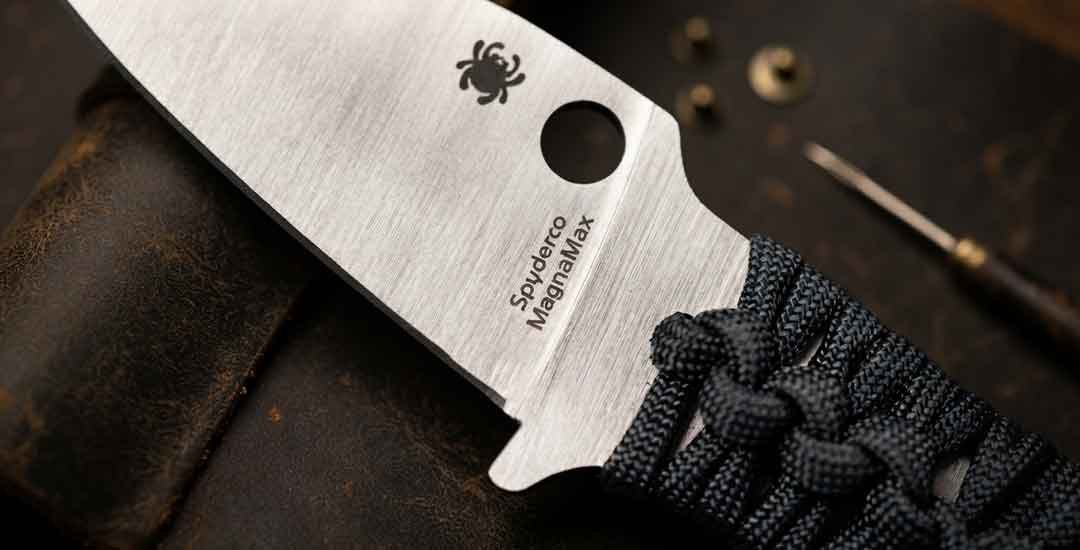
MagnaMax Steel – Everything You Need to Know
MagnaMax is a notable new knife steel that has been

Few pocket knives carry as much history as the Barlow. It rode in the pockets of American pioneers, appeared in Mark Twain’s most beloved novels, and even accompanied George Washington on his travels. That’s not a bad résumé for a simple folding knife.
But what exactly is a Barlow knife? Why do collectors still hunt them down today? And which ones are actually worth buying? Let’s dig in.
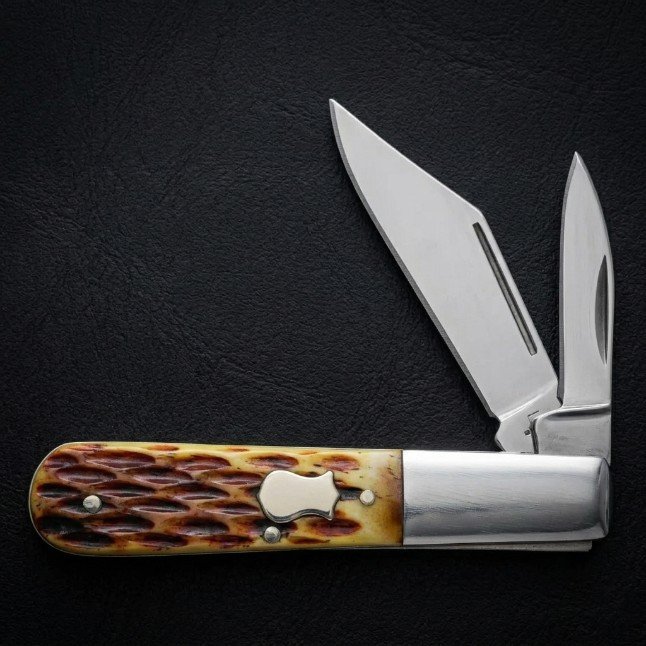
A Barlow knife is a traditional slipjoint folding knife defined by one unmistakable feature — its oversized bolster. That long, heavy metal bolster at the base of the handle gives the Barlow its distinctive teardrop silhouette, instantly setting it apart from every other classic pocket knife pattern out there.
Some people call it a Barlow jackknife. Others simply know it as the original workingman’s pocket knife. Either way, it’s the same brilliantly simple design that’s been trusted for over three centuries.
Typically featuring one or two blades — most commonly a clip point blade paired with a pen blade — the Barlow is compact, rugged, and refreshingly practical. Unlike a trapper, stockman, or penknife, nothing about it feels unnecessary.
Here’s how it compares to similar traditional patterns:
| Knife Pattern | Blades | Bolster Style | Handle Shape | Best For |
| Barlow | 1–2 | Single, oversized | Oval/teardrop | EDC, collecting |
| Trapper | 2 | Standard | Elongated | Hunting, skinning |
| Stockman | 3 | Standard | Rounded | Farm work |
| Jack Knife | 1–2 | Standard | Varied | General use |
| Penknife | 2 | Small | Slim | Light tasks |
The Barlow’s genius lies in its simplicity. Nothing flashy. Just a reliable cutting tool built to last generations.
The Barlow story begins in Sheffield, England, during the late 1600s. Sheffield was already the beating heart of the English cutlery industry, producing blades that supplied both Britain and its growing empire across the Atlantic.
The Barlow family — with Obadiah Barlow most frequently cited as the original craftsman — produced a knife that prioritized affordability and durability above all else. 17th-century cutlery was often expensive and fragile, designed more for gentlemen than working people. The Barlow flipped that script entirely.
Its defining characteristics from the very beginning:
This wasn’t a gentleman’s accessory. It was a working-class knife built for people who actually used their tools hard every single day.
British immigrants carried the Barlow pocket knife to the American colonies, where it found an audience perfectly matched to its rugged character. Colonial America was raw, demanding, and unforgiving — exactly the environment where a durable frontier pocket knife thrived.
Farmers used it for daily chores. Tradesmen kept one close at hand. Explorers pushing into unknown territory relied on it for skinning game, cutting rope, and even eating. On the American frontier, the Barlow became as essential as a good pair of boots and a reliable horse.
By the early 1700s, it wasn’t just popular — it was genuinely everywhere.
“The boy would have given anything for a Barlow knife.” — Mark Twain, The Adventures of Tom Sawyer.
Mark Twain immortalized the Barlow in both Tom Sawyer and Huckleberry Finn, cementing its place in the American imagination forever. For Twain’s characters, owning a Barlow wasn’t just practical — it symbolized boyhood exploration, freedom, and the pioneer spirit that defined a young, restless nation finding its identity.
Even George Washington carried one. His Barlow knife — reportedly gifted by his mother — bore the inscription “Always obey your elders.” A presidential pocket knife carrying a mother’s wisdom. It doesn’t get more American than that.
The Barlow became a genuine symbol of American identity, crossing every class boundary from frontier farmers to Founding Fathers.
By the 19th century, American cutlery companies recognized the Barlow’s enormous appeal and started producing their own versions. Several names rose to prominence:
These manufacturers pushed the design forward — introducing refined carbon steel blades, later transitioning to stainless steel, and experimenting with new handle materials. The heritage knife pattern remained intact, but American craftsmanship added its own distinct character.
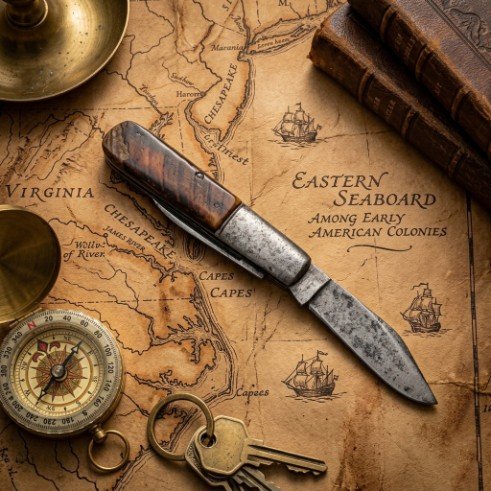
Understanding what makes a Barlow a Barlow helps you choose the right one — whether you’re buying for daily carry or building a serious collection.
The Barlow’s handle is immediately recognizable. That long, oval-shaped teardrop handle fits naturally in the hand, offering a secure grip without unnecessary bulk. Traditional handle materials include:
The handle scales attach with brass pins, often accented with red underliners on quality pieces. Small details — but they absolutely separate a fine knife from a forgettable one.
Here’s what truly defines the Barlow pattern. That large single bolster — typically crafted from nickel silver — isn’t merely decorative. It serves three critical functions:
No other classic folding knife uses a bolster quite this way. It’s the Barlow’s signature — and its greatest structural advantage. The bolster construction is so robust that well-made vintage Barlows survive decades of demanding use and still function flawlessly.
Most Barlow knives feature either one or two blades. The two-blade pocket knife configuration typically pairs:
Steel choice matters enormously. Here’s a straightforward breakdown:
| Steel Type | Pros | Cons | Best For |
| Carbon steel | Outstanding edge retention, easy to sharpen | Requires maintenance, can rust | Traditional use, collectors |
| 440A stainless | Rust-resistant, affordable | Softer than Premium steels | Budget everyday carry |
| 440C stainless | Better hardness, excellent edge | Slightly harder to sharpen | Modern EDC, hard use |
A carbon steel Barlow knife will always hold a special place among purists. There’s something genuinely satisfying about a blade that takes a razor edge and rewards careful, consistent maintenance.
The Barlow is a traditional slipjoint knife — no locking mechanism whatsoever. The blade stays open by spring tension alone, with a backspring that holds it firmly in position. You open it via the nail nick, a small groove cut into the blade spine.
It sounds simple because it is. And that elegant simplicity is precisely why Barlows have worked reliably for over three centuries without reinvention.
Hunting old Barlow knives is one of the great pleasures of the hobby. Here’s how to date what you find:
The value of a vintage Barlow knife depends heavily on condition, maker, and rarity. A pristine Russell Barlow knife or early Camillus example in original condition commands serious attention — and serious money — from dedicated collectors.
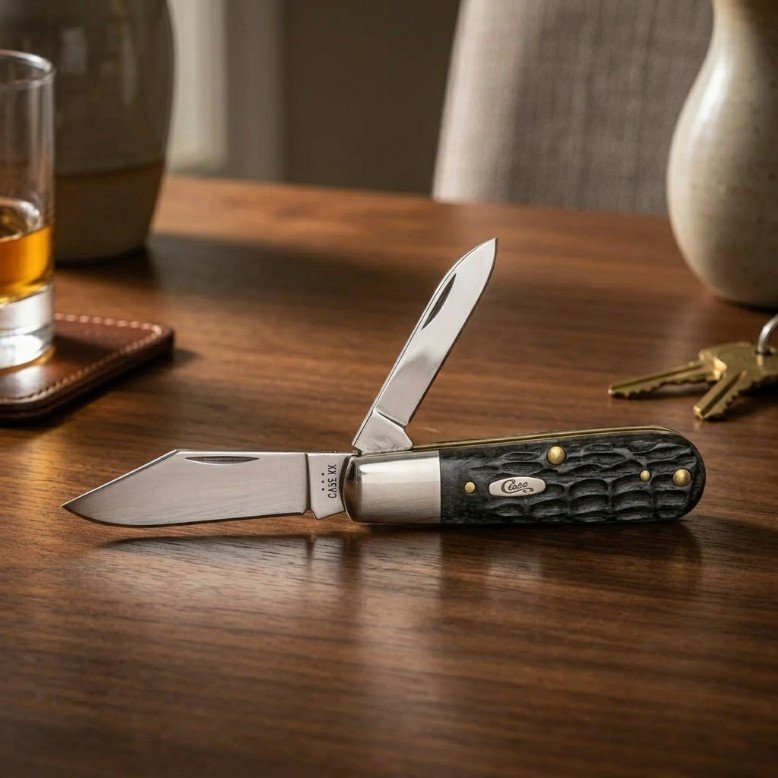
Don’t let history fool you — the modern Barlow knife is a genuinely excellent everyday carry pocket knife. Its compact size, reliable slipjoint, and traditional craftsmanship make it a practical choice for anyone wanting a capable, low-profile cutting tool.
Some people even appreciate it as a lightweight Barlow multi-tool of sorts — handling everything from breaking down boxes and cutting food to opening packages and tackling light outdoor tasks. Take it camping, and it earns its keep on game processing and general camp chores without complaint.
The Barlow is a true workhorse pocket knife that never draws unnecessary attention and never lets you down.
The Case Barlow knife remains the gold standard. Case XX brings together traditional craftsmanship, quality steel, and iconic handle options — including the beloved grey jigged bone with its pocket-worn finish and mirror-polished blades. The Case shield on the handle is a genuine mark of American heritage and pride.
Key specs:
The Rough Ryder Barlow punches well above its price point. Featuring 440A stainless steel blades — both a clip point and a pen blade — with a striking buckshot bone handle, brass liners, and nickel silver bolsters, it delivers real value without compromise.
Key specs:
Boker Barlow knives carry centuries of German craftsmanship into a classic American pattern. The Boker Plus Brown Bone Barlow features 440C stainless steel blades — both clip and spey — with rich brown jigged bone handles and refined nickel silver bolsters. A beautiful piece that works as hard as it looks.
Key specs:
The LionSteel Barlow takes the classic pattern into Premium territory. Italian craftsmanship, superior steel, and meticulous fit and finish make it one of the finest modern Barlow knives available today. If you want the best the contemporary market offers, LionSteel delivers without question.
Explore the full range of Barlow knives at American Knife Depot — over 13,000 products, trusted brands, and free shipping on orders over $300.
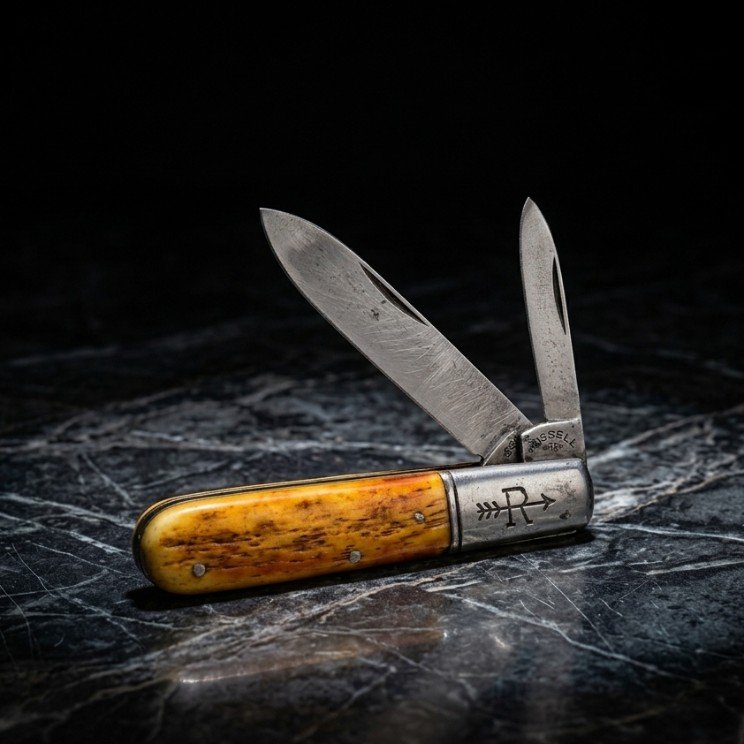
Vintage Barlow knives attract serious collectors for genuinely good reasons. A well-preserved antique pocket knife from a discontinued maker represents a tangible, holdable piece of American history.
What drives the Barlow knife value:
One important word of caution — Barlow knives from Pakistan regularly flood the market with cheap imitations. They mimic the pattern convincingly but use inferior steel and poor construction throughout. Always buy from reputable, established sources you trust.
The Barlow Sonoma represents an interesting modern lifestyle interpretation of the Barlow name — proof that this pattern’s cultural reach extends well beyond the knife world itself.
At American Knife Depot, every Barlow in the catalog comes from verified, trusted manufacturers — no cheap imports, no compromises, ever.
What is a Barlow knife?
A Barlow is a traditional slipjoint folding knife featuring an oversized single bolster, an oval-shaped handle, and one or two blades—typically a clip-point and pen-blade combination.
What is a Barlow?
Beyond the knife itself, “Barlow” refers to the specific knife pattern originating with the Barlow family in Sheffield, England, during the late 1600s — one of history’s most enduring and recognizable pocket knife designs.
How do I tell how old a Barlow knife is?
Check the tang stamp, handle material, blade steel type, and bolster construction carefully. Cross-reference findings with known production dates from major manufacturers like Russell, Case, and Camillus.
What is the best Barlow knife?
For most buyers, the Case XX Barlow offers the best combination of quality, heritage, and everyday value. Serious collectors should additionally explore LionSteel Barlow, Great Eastern Cutlery Barlow, and Bear & Son Barlow for Premium and traditional options.
Is a Barlow good for everyday carry?
Absolutely. Its compact size, simple slipjoint mechanism, and genuinely durable construction make it one of the finest traditional EDC pocket knives available anywhere.
How does a Barlow differ from a jack knife?
Both are classic slipjoint folding knives, but the Barlow’s defining feature is its oversized single bolster and distinctive teardrop handle shape — elements absent from the standard jack knife pattern.
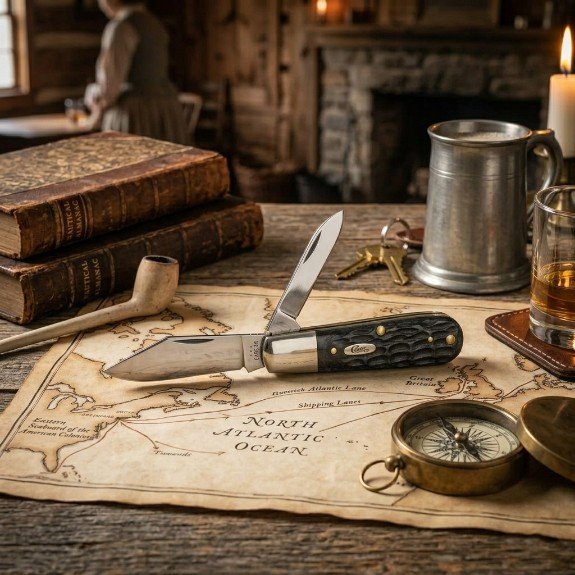
From a Sheffield workshop in the late 1600s to the pockets of American pioneers, presidents, and everyday working people — the Barlow knife pattern has earned its legendary status completely honestly. It’s not just a classic folding knife. It’s a piece of living American history that still pulls its weight every single day.
Whether you want a vintage Barlow knife for your collection, a carbon steel Barlow for serious daily use, or simply the finest traditional pocket knife money can buy, the Barlow delivers on every front without fail.
American Knife Depot carries a carefully curated selection of the best Barlow knives available today — from Case and Rough Ryder to Boker, LionSteel, Bear & Son, and beyond. With over 13,700 verified customer reviews, competitive pricing across every budget, and free shipping on orders over $300, there’s simply no better destination for your next Barlow knife.
Sharp gear. Real value. Built for those who demand the best.
MagnaMax is a notable new knife steel that has been
The history of Chaves Knives begins with one maker, basic
![Rated: 15 Best OTF Knives of 2026 [By Category]](https://americanknifedepot.com/wp-content/uploads/2026/09/Featured-Image-7.jpg)
Finding the best OTF knife is less about chasing the
The Leatherman ARC multitool promises premium materials, 20 tools, and



















Civivi nails everyday carry. Smooth action, perfect balance, and clean design. Easily one of the best EDC knives I’ve owned at this price point.