
Best Lightweight Pocket Knife: Top Picks for Everyday Carry
A pocket knife should solve problems without weighing down your
Every knife starts with a single decision — the blade shape. Get it right, and you’ve got a tool that feels like an extension of your hand. Get it wrong,g and you’re fighting your knife on every cut. Whether you’re an EDC enthusiast, a weekend hunter, or someone building out a kitchen cutlery collection, understanding knife blade shapes is the foundation of every smart buying decision.
This blade shapes guide covers every major knife profile — what it looks like, what it’s genuinely good for, where it falls short, and who should carry it. No filler. Just practical, experience-backed knowledge that helps you choose with confidence.
Before jumping into specific blade shapes, nail down the vocabulary. Knife anatomy isn’t complicated — but knowing these terms makes every blade shape comparison sharper.
Why does blade profile matter so much? Because geometry drives everything. A blade’s shape determines what it excels at — and what it simply cannot do. Every knife blade design is a set of tradeoffs, and understanding those tradeoffs is how you stop buying the wrong knife.
The drop point blade is the most popular knife blade shape on the planet — and the numbers back that up. The spine curves gently downward to meet the tip, creating a strong, controlled point paired with a generous blade belly.
Best for: EDC knives, hunting knives, outdoor knife blade tasks, general-purpose use
That lowered tip gives you exceptional blade control during detail work. The wide belly handles slicing cuts effortlessly. It’s genuinely versatile without being mediocre at everything — which is exactly why experienced knife users recommend it to beginners and keep carrying it themselves.
| Attribute | Rating |
| Tip Strength | High |
| Slicing Performance | Excellent |
| Piercing Performance | Moderate |
| Sharpening Difficulty | Moderate |
| Best Use | EDC, Hunting, Outdoor |
Strengths: Versatile cutting performance, strong tip, excellent blade belly. Weaknesses: Thick tip isn’t optimized for piercing; curved belly section requires some sharpening skill
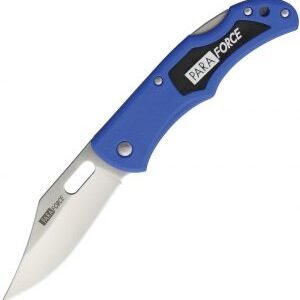
The clip point blade looks like someone took a straight spine and clipped a concave section out near the tip. The result is a sharp, nimble point with excellent piercing performance and a profile that’s as iconic as American knife design gets.
Best for: Tactical knives, hunting, everyday carry, fixed blade applications
The fine tip gets into tight spaces with ease. However, that same fine tip is relatively fragile under lateral stress — a genuine tradeoff you need to weigh against the clip point’s undeniable versatility. Deep curves in the edge can also make sharpening slightly technical.
Strengths: Great piercing blade performance, classic knife profile, versatile blade design.n Weaknesses: Fragile tip under stress, challenging sharpening at the curved section
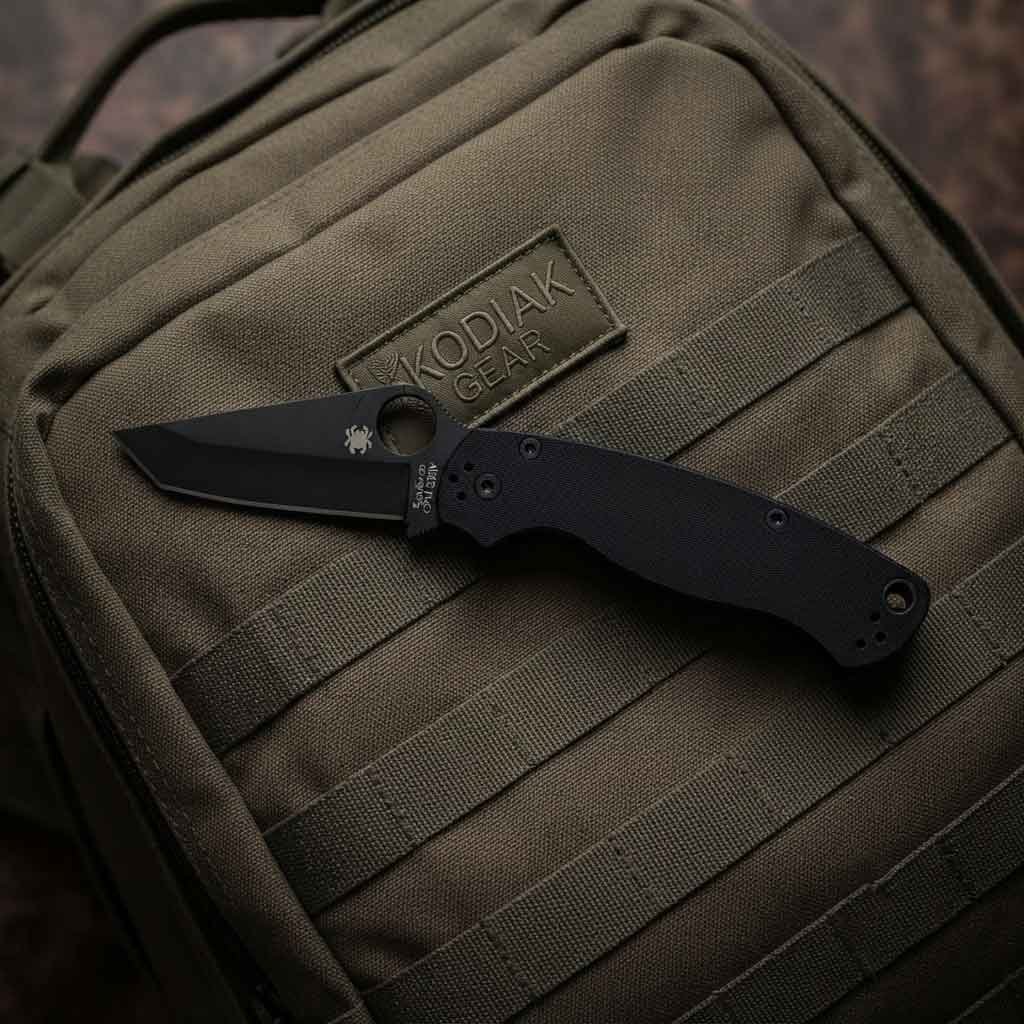
The tanto blade is pure geometry with a purpose. Two distinct edge angles — one running parallel to the spine, another angling sharply upward toward the tip — create a reinforced point with near-indestructible tanto-blade strength.
Best for: Hard-use knife blade tasks, tactical blade shape applications, self-defense, heavy-duty penetration
The straight-edge blade on a tanto makes sharpening refreshingly straightforward, and dragging cuts and stabbing through tough materials? This blade dominates. However, the angular tanto blade shape makes clean slicing cuts awkward. You’re trading versatility for raw toughness — a worthwhile deal if toughness is what your work demands.
“The tanto is purpose-built for hard use. It’s not trying to be everything — it’s trying to be unbreakable.”
Strengths: Superior tip durability, outstanding for stabbing and dragging cuts, easy straight edge sharpening.g Weaknesses: Poor slicing performance, limited versatility for EDC food prep
Drop point vs tanto blade: Drop point wins for versatility. Tanto wins when tip strength is non-negotiable.
The spear point blade features a symmetrical or near-symmetrical blade profile with a perfectly centered tip. It’s one of the cleanest knife blade designs available — elegant, precise, and purpose-driven.
Best for: Piercing blade tasks, self-defense blade applications, tactical use, collectors
The centered tip makes this one of the easiest blade profiles to control for precise cutting. A spear point blade uses span for both single-edge and double-edge configurations — double-edge variants maximize edge retention but may raise legal considerations depending on your state. Always check local laws before carrying a double-edge blade.
Strengths: Excellent piercing performance, clean aesthetics, intuitive tip control. Weaknesses: Slightly fragile tip, edge orientation isn’t always immediately obvious to new users
Spear point vs drop point: Spear point wins for piercing precision. Drop point wins for everyday versatility and belly-forward slicing.
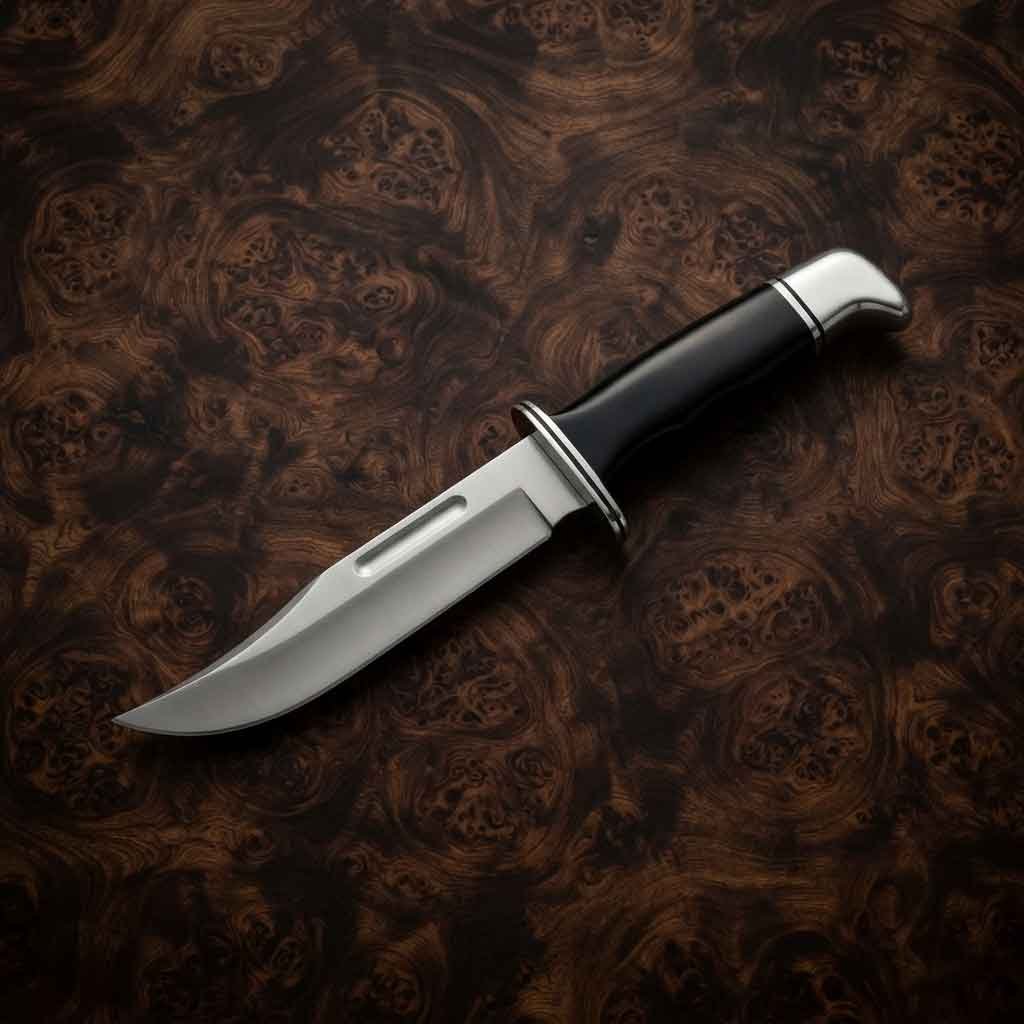
The sheepsfoot blade flips conventional knife design on its head. A straight edge blade runs the full length. The spine curves dramatically downward to meet it — producing a blunt-tipped blade that prioritizes safety and push-cut performance above all else.
Best for: Rescue knives, kitchen knife blade tasks, utility blade shape work, marine environments
That rounded tip makes accidental punctures nearly impossible — a critical advantage in rescue scenarios where you’re cutting seatbelts near an injured person. The straight edge excels at push cuts against a cutting board. Sharpening difficulty is minimal; the sheepsfoot is one of the easiest blade profiles to maintain consistently sharp.
| Attribute | Rating |
| Tip Strength | Low (blunt) |
| Push Cut Performance | Excellent |
| Piercing Performance | None |
| Sharpening Difficulty | Easy |
| Best Use | Rescue, Kitchen, Marine, Utility |
Strengths: Safest tip design available, excellent push cut blade performance, very easy to sharpen. Weaknesses: Zero piercing capability, tip-heavy feel during extended use
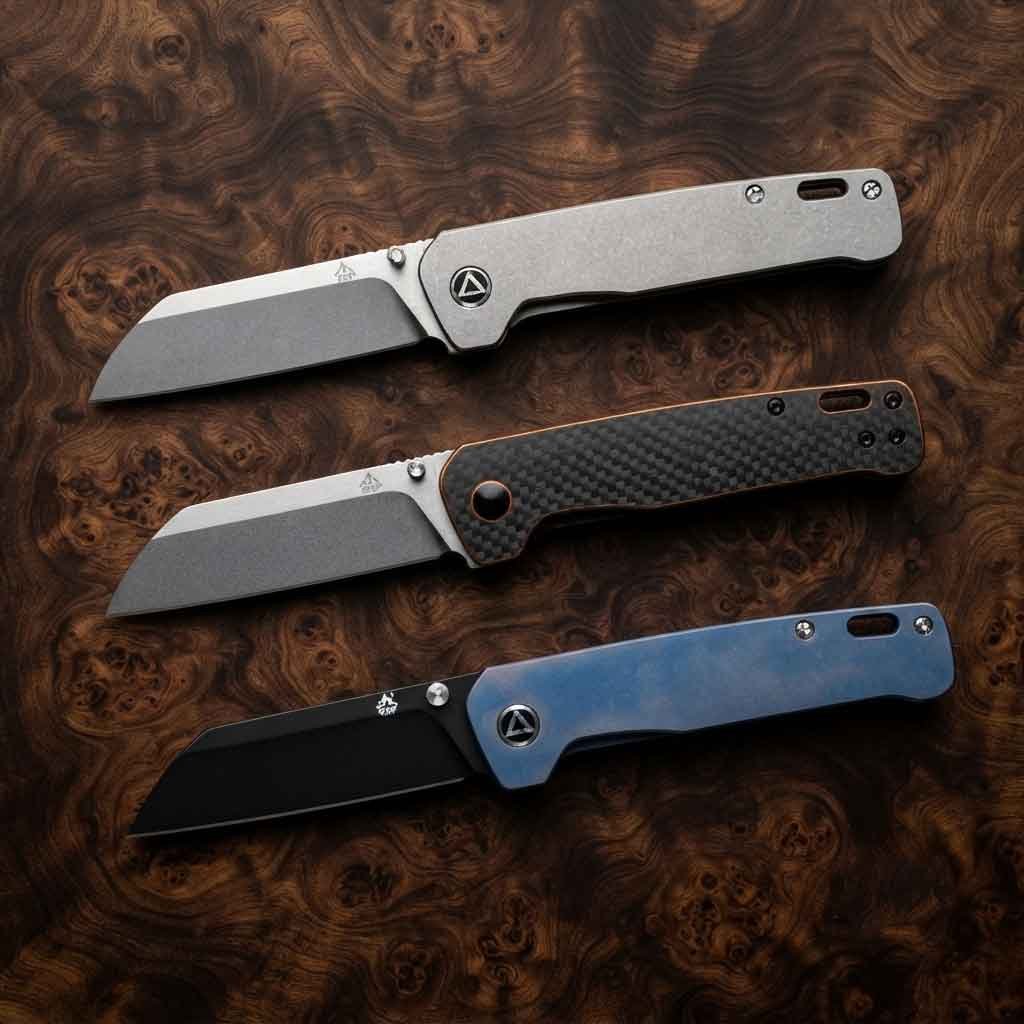
The wharncliffe blade looks like a close cousin of the sheepsfoot — but its spine tapers gradually from the handle to the tip rather than abruptly. That subtle difference produces a sharper, more defined point with meaningfully better piercing performance.
Best for: EDC blade shape tasks, precision cutting, utility knives, electrical work, box opening
Electricians have carried the wharncliffe knife for generations. The straight edge is easy to sharpen and delivers precise push cuts on every stroke. The tip is sharper than a sheepsfoot’s — still relatively fragile, but far more capable. There’s minimal belly for slicing, but that’s never been the point of this blade.
Strengths: Better piercing than sheepsfoot, very easy to sharpen, excellent push cuts. Weaknesses: Fragile tip, minimal belly limits slicing performance
Reverse tanto vs drop point: The reverse tanto shares the wharncliffe’s straight edge advantages but adds angular tip geometry for greater tip strength — making it a more tactical choice than the drop point’s all-around versatility.
The reverse tanto blade features a straight edge and spine, with an abrupt angular cut near the tip — similar to a tanto, but sharpened on the opposite side. It’s one of the most popular EDC blade shapes on the market today.
Best for: EDC knives, push cut tasks, tip-heavy precision work
The straight edge blade makes sharpening straightforward. That angular tip geometry delivers impressive tip strength for a folding knife blade. The blade weight shifts noticeably toward the tip — an advantage for downward cutting strokes, though it can feel unbalanced during extended slicing tasks.
Strengths: Strong tip, easy to sharpen, excellent push cut performance.e Weaknesses: Tip-heavy blade feel, straight edge struggles with clean slicing cuts
The hawkbill blade curves dramatically inward — like a raptor’s talon. It’s one of the most distinctive knife blade designs on this list and one of the most specialized cutting tools available.
Best for: Agricultural knives, material shearing, cutting rope and webbing, self-defense blade scenarios
That inward curve gathers material as you cut, making it devastatingly efficient at shearing. Linemen, arborists, and rescue workers constantly reach for hawkbill knives. The curved blade creates deep, fast cuts with minimal effort — a blade anatomy built around a single principle: gather and cut.
Sharpening difficulty is significant. Standard flat stones won’t work on that inward curve — you need curved rods or specialized sharpening tools. The fragile knife tip also snaps under lateral pressure, so this isn’t a blade you’d trust for prying tasks.
Strengths: Exceptional material shearing, fast cutting action, outstanding self-defense cutting geometry. Weaknesses: Difficult to sharpen, fragile tip, limited general-purpose utility
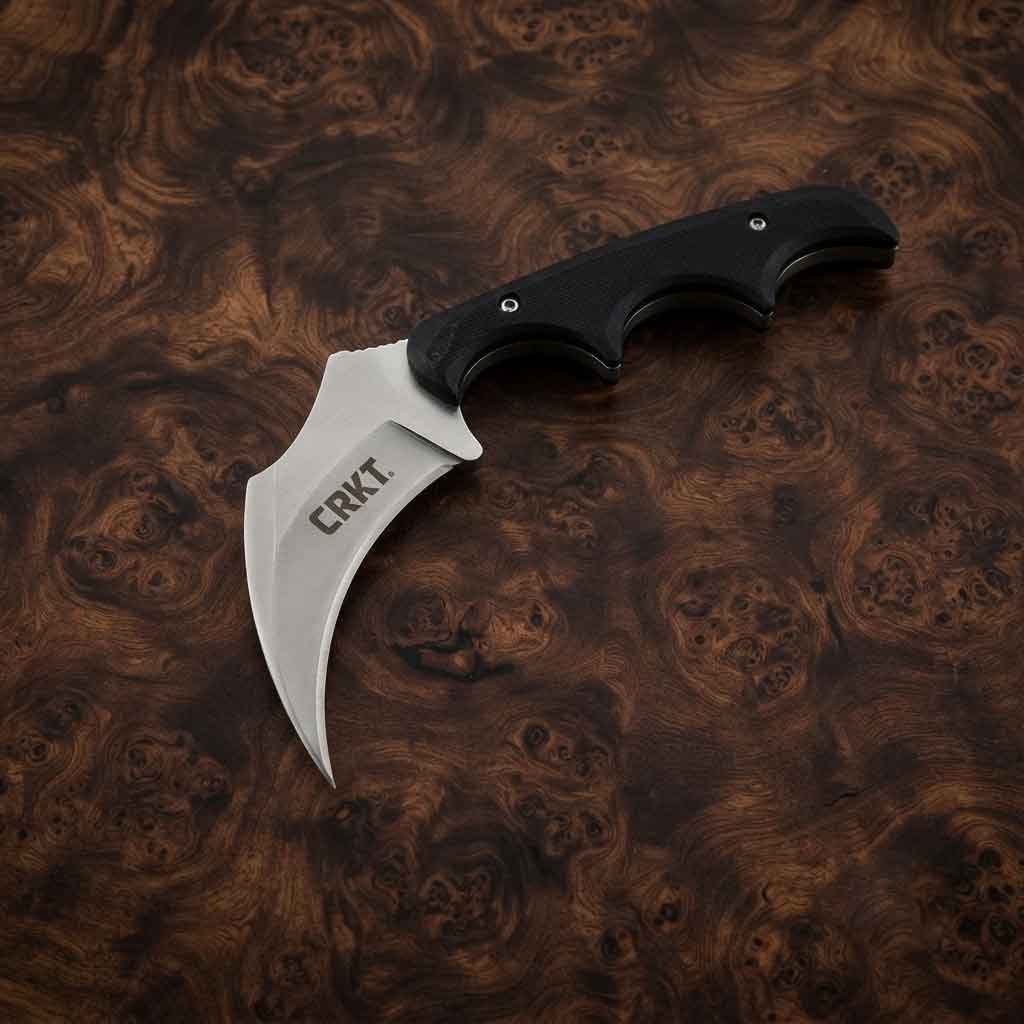
The trailing point blade features a deeply curved edge with a tip that rises above the spine line — the structural opposite of a drop point. It’s the hunter’s blade profile of choice for good reason.
Best for: Hunting knife blade tasks, fishing knife blade work, skinning, long slicing cuts
That massive blade belly is unmatched for slicing performance. Long, sweeping cuts through meat and hide are effortless. The sharp tip handles precise detail work beautifully. However, accessing the tip for direct piercing cuts can be awkward — the upswept tip geometry works against you in that specific scenario.
Strengths: Best-in-class slicing-blade performance, exceptional blade belly, sharp, precise tip. Weaknesses: Awkward tip access during piercing cuts, extreme designs can feel unstable
The kukri blade is immediately recognizable — a dramatic inward curve flowing into an aggressive outward curve, with the spine following that same boomerang arc. It’s a heavy chopping blade with centuries of history behind it.
Best for: Chopping blade tasks, heavy outdoor knife use, fixed blade shape applications, brush clearing
The forward-weighted, heavy-bladed profile makes chopping feel almost effortless. Kukri blade shape geometry puts mass exactly where downward chopping strokes need it. Slicing performance is surprisingly capable given the curved belly. However, sharpening that complex curve requires patience, proper tools, and genuine technique.
Strengths: Outstanding chopping performance, a strong tip, and the ability to slice for its size. Weaknesses: Heavy blade weight, significant sharpening difficulty, not suited for EDC carry
The cleaver blade is blunt, rectangular, and brutally effective at one job — raw chopping performance. Whether it’s a kitchen cleaver or an outdoor chopper, the heavy-duty blade profile does exactly what it promises.
No piercing. No finesse. Pure chopping authority. The straight edge is remarkably easy to sharpen — a genuine advantage given how relentlessly hard this blade works. Blade weight sits entirely toward the tip, which maximizes downward chopping force but makes comfortable knife carry impractical for most users.
Strengths: Dominant chopping performance, easy straight edge sharpening, stout blade durability. Weaknesses: No tip for piercing, too heavy for comfortable everyday carry
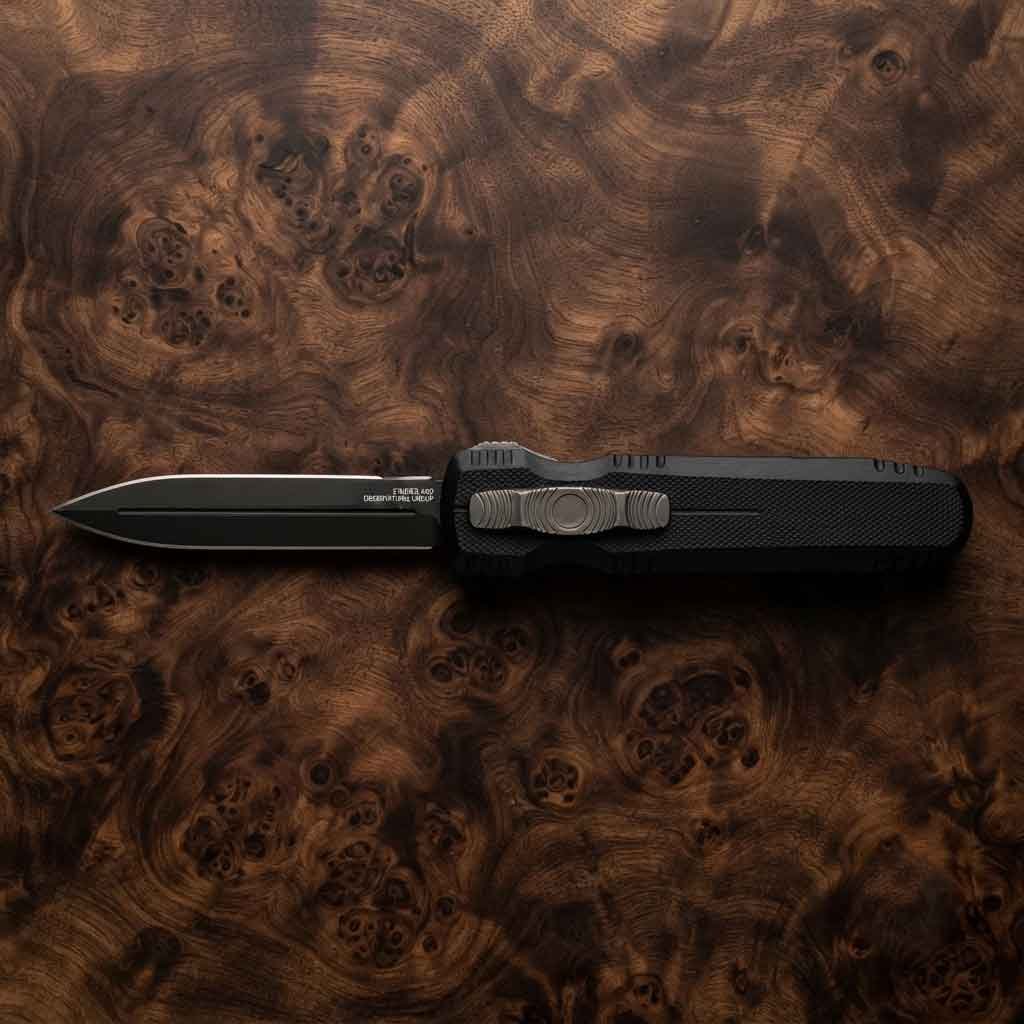
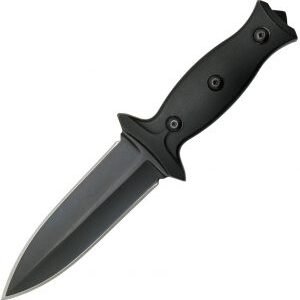
The dagger features a symmetrical, two-grounded blade and often a double-edged configuration. Every design choice points toward a single outcome — piercing performance.
Best for: Tactical blade shape applications, collectors, martial arts blades, self-defense
Two grinds reduce blade weight while maintaining structural integrity. Two edges double your available cutting surface. Legal note: dagger blade knives are illegal to carry in many US states. Research your local laws carefully before purchasing any double-edge blade.
Strengths: Outstanding piercing performance, reduced blade weight from dual grinds, collector appeal. Weaknesses: Illegal in many jurisdictions, no thumb placement on spine
The bayonet blade offers something the dagger can’t — a partial top grind that creates a genuine thumb placement surface on the spine. That single difference transforms how the knife handles during nimble cutting tasks.
Best for: Tactical knives, self-defense, military-style fixed blades
Blade weight distribution sits toward the handle, enabling fast, nimble cutting with precision. The partial grind on the top side sometimes features a sharpened section — which improves cutting versatility but introduces the same legal considerations as a full dagger blade in some states.
Strengths: Great piercing performance, thumb placement advantage, nimble cutting feel.l Weaknesses: Top edge sharpening is tricky, partially illegal in some jurisdictions
The spay blade combines a long straight edge with an abrupt upward curve near the tip — a traditional knife blade style with deep roots in agricultural and livestock work. The name tells the story.
Best for: Traditional pocket knives, push cut blade tasks, controlled cutting where piercing is undesirable.
That straight edge dominates push cuts. The curved tip section delivers clean slicing cuts without the risk of accidental deep piercing. Sharpening the abrupt curve requires some care, but overall sharpening difficulty remains manageable. It’s a genuinely underrated blade profile for everyday utility tasks.
Strengths: Excellent push-cut performance, clean slicing capability, and strong tip strength. Weaknesses: Not suited for intentional piercing cuts, abrupt curve requires careful sharpening
The distinctive hump on the spine of a harpoon blade isn’t purely aesthetic. It serves a real mechanical purpose — preventing your fingers from riding forward onto the edge during aggressive cutting strokes.
Best for: EDC knives, tactical use, blade control-focused applications
The harpoon blade noticeably shifts its balance toward the tip. Some users find that a tip-heavy feel improves downward-cutting momentum. Others find it unsettling during extended use. One thing is certain — the harpoon hump is one of the more thoughtful safety features built into any knife blade design.
Strengths: Strong tip, finger safety feature, distinctive aesthetic. Weaknesses: Can get stuck during deep stabbing cuts, tip-heavy blade balance
The kris blade is a serpentine, wave-like profile rooted in Southeast Asian martial arts blade traditions. Multiple inward and outward curves create a squiggly edge that cuts somewhat like serrations — aggressive and distinctive.
Best for: Ornamental knives, custom knives, martial arts blade collections
Sharpening this blade is genuinely an art form. The complex curves require specialized tools and considerable skill. The kris blade isn’t a working blade for most people — it’s a collector’s piece, a conversation starter, and a tribute to centuries of blade-making tradition.
Strengths: Striking visual impact, serration-like cutting action, strong stabbing geometry. Weaknesses: Extremely difficult and expensive to produce, very hard to sharpen effectively
Any blade featuring an inward curve along the edge qualifies as a curved-blade knife. That curve deepens the blade belly for superior slicing performance and gathers material during cuts — functioning similarly to a sickle in agricultural use. Hunting blade shape applications particularly benefit from a recurve edge. The tradeoff is sharpening difficulty; curved rods or specialized tools are non-negotiable.
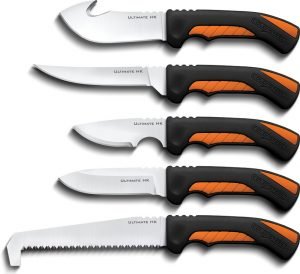
A gut hook knife adds a sharpened interior hook to the spine of almost any blade profile. Gut hook blade uses are singular and specific — game processing. Field dressing without puncturing internal organs becomes dramatically easier with this tool—hunters who regularly process their own game swear by it. For everyone else, it’s a niche addition that adds sharpening complexity without practical benefit.
A trainer knife blade mirrors any blade profile you choose — without a sharpened edge. If you carry a knife for self-defense, owning a matching trainer for self-defense training is non-negotiable. Muscle memory built through repetition with a trainer blade translates directly and immediately to real-world defensive situations. Practice with a trainer. Carry the real thing.
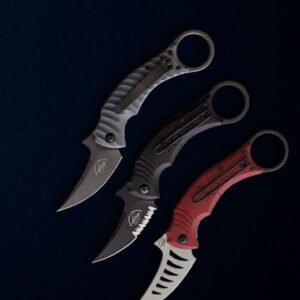
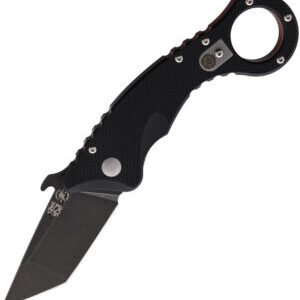
The Nessmuk blade, Ginunting blade, Karambit blade, Coping blade, and Citrus Peeler blade each represent distinct cultural traditions with passionate, knowledgeable communities. The karambit in particular — with its tight inward curve and ring handle — remains one of the most effective self-defense blade designs ever developed. These traditional knife blade styles go beyond a standard blade-shape comparison, and they deserve recognition as serious, purpose-built designs with real heritage.
| Blade Shape | Best Use | Tip Strength | Belly | Sharpening | Edge Type |
| Drop Point | EDC, Hunting | High | Large | Moderate | Curved |
| Clip Point | Tactical, Hunting | Moderate | Medium | Moderate | Mixed |
| Tanto | Tactical, Hard Use | Very High | None | Easy | Straight |
| Spear Point | Piercing, Tactical | Moderate | Medium | Moderate | Single/Double |
| Sheepsfoot | Rescue, Kitchen | None (blunt) | None | Easy | Straight |
| Wharncliffe | EDC, Precision | Moderate | Minimal | Easy | Straight |
| Reverse Tanto | EDC, Tactical | High | None | Easy | Straight |
| Hawkbill | Agricultural, Defense | Low | Inverted | Difficult | Inward Curve |
| Trailing Point | Hunting, Fishing | High | Very Large | Moderate | Curved |
| Kukri | Chopping, Outdoor | High | Large | Difficult | Mixed |
| Cleaver | Chopping, Kitchen | None | None | Easy | Straight |
| Dagger | Tactical, Collecting | High | Minimal | Moderate | Double |
| Bayonet | Tactical, Military | High | Minimal | Moderate | Partial Double |
| Spay | Traditional, EDC | Moderate | Minimal | Moderate | Straight/Curved |
| Harpoon | EDC, Tactical | High | Medium | Moderate | Curved |
| Kris | Ornamental, Custom | Moderate | Wavy | Very Difficult | Wavy |
| Recurve | Hunting, Outdoor | Moderate | Deep | Difficult | Curved |
The best blade shape isn’t universal — it’s personal. Match your blade profile to your actual use case, not what looks impressive in a display case.
At American Knife Depot, every blade shape on this list is available across 60+ categories and 13,000+ products — from everyday drop point folders by Kershaw and Gerber to specialized kukri fixed blades by Ka-Bar and collector-grade pieces from Zero Tolerance. With a 4.8-star rating across 13,700+ verified reviews and free shipping on orders over $300, this is America’s most trusted destination for Premium knife blade styles at every price point. Browse the full collection of blade shapes at American Knife Depot and find the exact knife profile your next task demands.
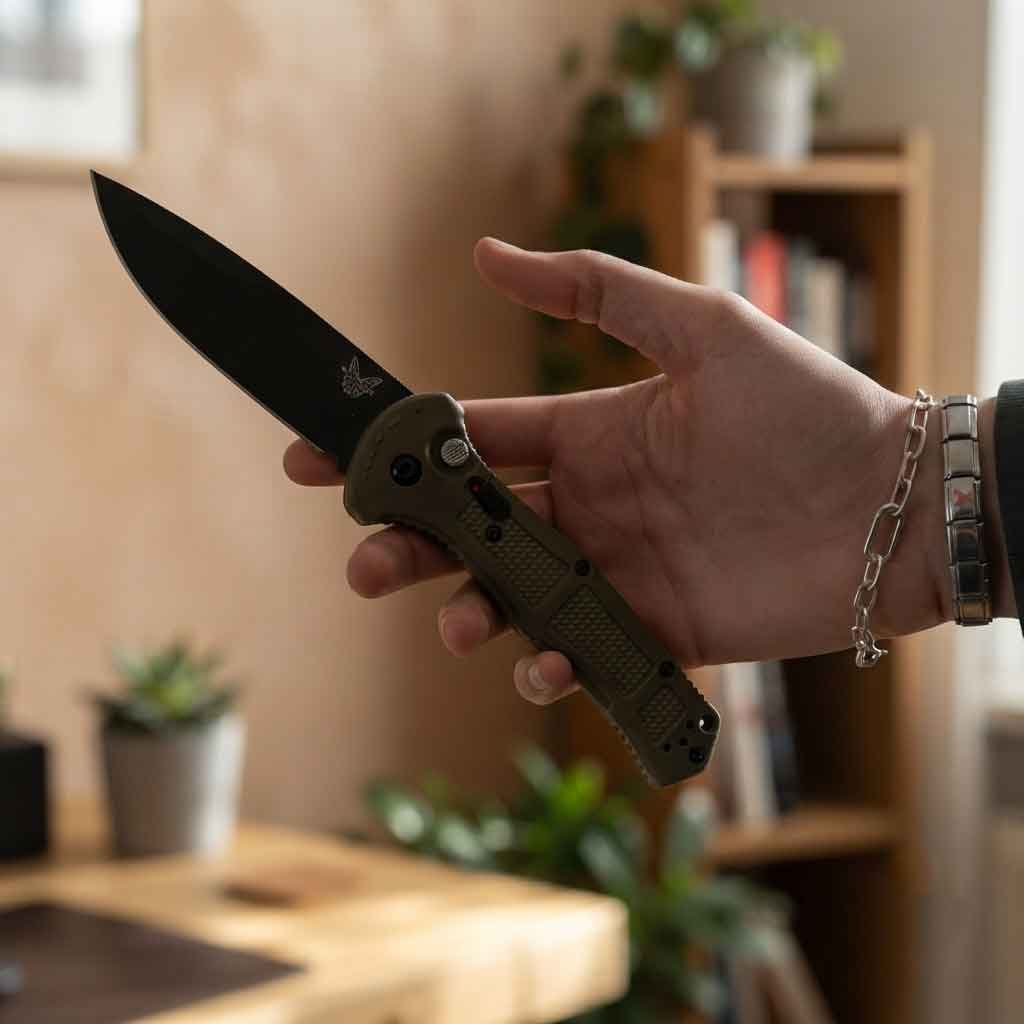
What is the best knife blade shape for everyday carry?
The drop point blade. It balances tip strength, slicing performance, and cutting versatility better than any other EDC blade shape. It’s popular for a reason.
What blade shape is best for self-defense?
The spear point and hawkbill both excel as self-defense blade designs — for different reasons. Spear point for controlled piercing performance; hawkbill for aggressive material shearing and slashing cuts.
What is the strongest knife tip?
The tanto blade tip. Its reinforced angular geometry makes it the most durable tip design available — built specifically for hard-use knife blade scenarios.
Drop point vs tanto blade — which is better?
Drop point wins for versatility and everyday carry. Tanto wins for tip strength, tactical blade shape applications, and hard-use tasks where tip failure isn’t an option.
Spear point vs drop point — what’s the difference?
The spear point features a symmetrical blade profile, a centered tip, and is optimized for piercing. The drop point has an asymmetrical profile with a larger belly optimized for slicing. Choose based on your primary cutting task.
What is a sheepsfoot blade used for?
Push cuts, rescue work, kitchen knife blade tasks — any application where a blunt tip blade improves safety without sacrificing straight edge performance.
What is a recurve blade?
Any blade featuring an inward curve in the edge. It deepens the blade belly for superior slicing performance and helps gather material efficiently during cuts.
What is a spay blade used for?
Traditional pocket knife tasks — push cuts and clean slicing — with historical roots in agricultural and livestock work — remain a capable, underrated profile for a blade today.
What is a coping blade used for?
The coping blade is a traditional blade style found on multi-blade pocket knives, designed for delicate cutting tasks that require fine-tip control — woodworking, trimming, and detail cuts.
What is the easiest blade that requires a fine tip?
Tanto and sheepsfoot blades — both feature straight-edge sections that respond well to standard flat sharpening stones, without the complexity of curved belly sections.
What is a single-edged blade vs. a double-edged blade?
A single-edged blade is sharpened on one side only — the most common configuration for everyday carry and utility knives. A double-edged blade is sharpened on both sides, maximizing the cutting surface but introducing legal restrictions in many US states.
Knife blade shapes aren’t cosmetic choices. Every curve, angle, and geometry decision directly affects cutting performance, piercing performance, blade control, edge retention, and how confidently you work with that knife day after day. The right blade profile doesn’t just make cutting easier — it makes every task safer, faster, and more precise.
Start with your use case. Match it to a blade profile using the blade shape comparison table above. Then find the best version of that blade from a brand you actually trust.
American Knife Depot carries the full spectrum — from classic drop-point EDC folders to specialized gut-hook hunting blades, aggressive tanto fixed blades, and collector-grade kris knives. With competitive pricing across every budget, trusted brands including Gerber, Kershaw, Ka-Bar, Civivi, and Zero Tolerance, and over 13,700 verified customer reviews backing their 4.8-star reputation, they’re the sharpest place to shop for knives in America. Find your perfect blade shape today at American Knife Depot — because the right knife always starts with the right geometry.
A pocket knife should solve problems without weighing down your
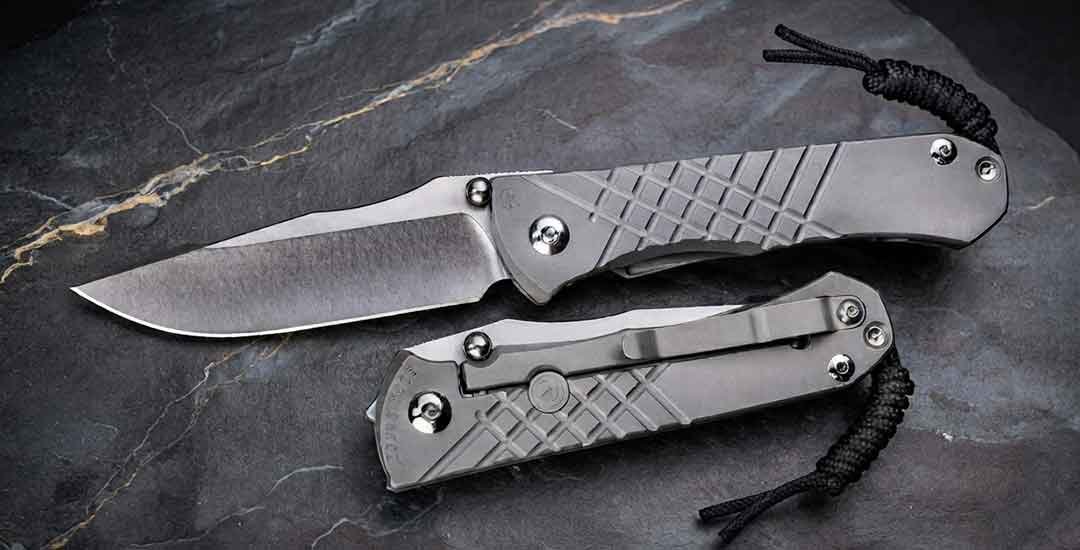
When Chris Reeve named his flagship folder “Umnumzaan,” he wasn’t
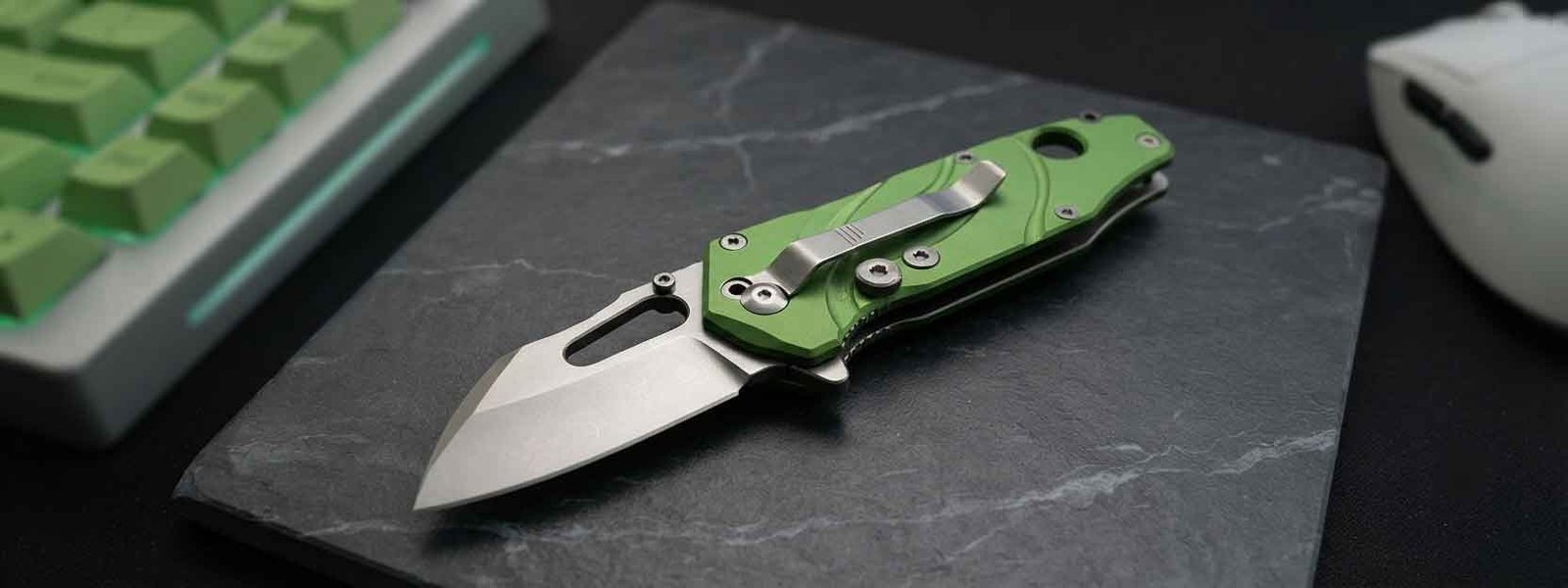
Pull out a gravity knife for the first time, and
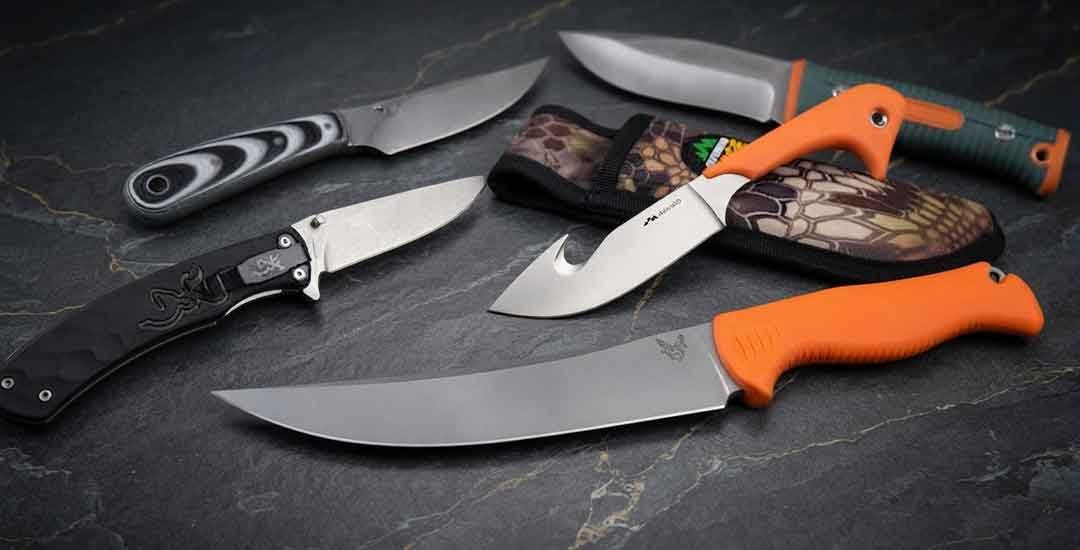
Picking the best field dressing knife shouldn’t feel like a
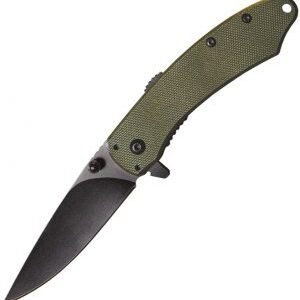
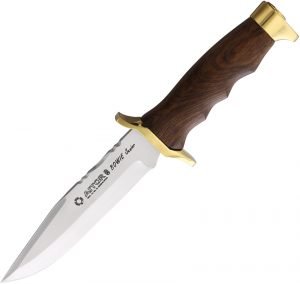
















Civivi nails everyday carry. Smooth action, perfect balance, and clean design. Easily one of the best EDC knives I’ve owned at this price point.