

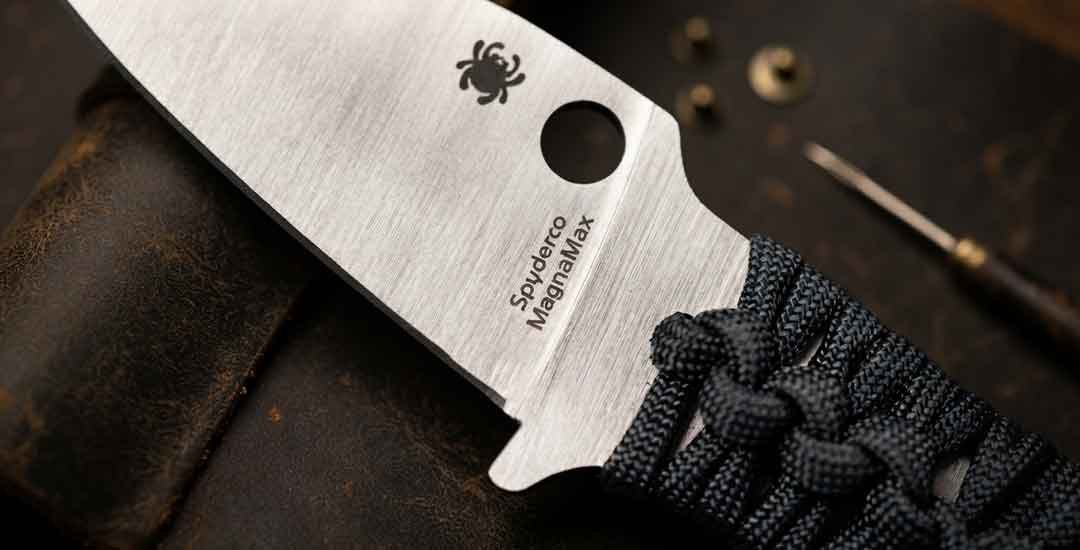
MagnaMax Steel – Everything You Need to Know
MagnaMax is a notable new knife steel that has been

Few blade designs carry as much history — or as much cutting authority — as the hawkbill knife. That distinctive curved blade, hooked tip, and concave cutting edge aren’t just aesthetic choices. They’re the result of centuries of refinement across continents, cultures, and cutting tasks. Whether you’re a seasoned collector hunting a vintage Case hawkbill knife, an outdoor enthusiast shopping for a reliable folding hawkbill knife, or a first responder who needs a dependable emergency cutting tool, this pattern delivers in ways most blades simply can’t.
Sometimes spelt hawksbill knife — both refer to the same iconic pattern. Let’s dig into everything: the history, the blade anatomy, the best uses, and the top picks worth your money right now.
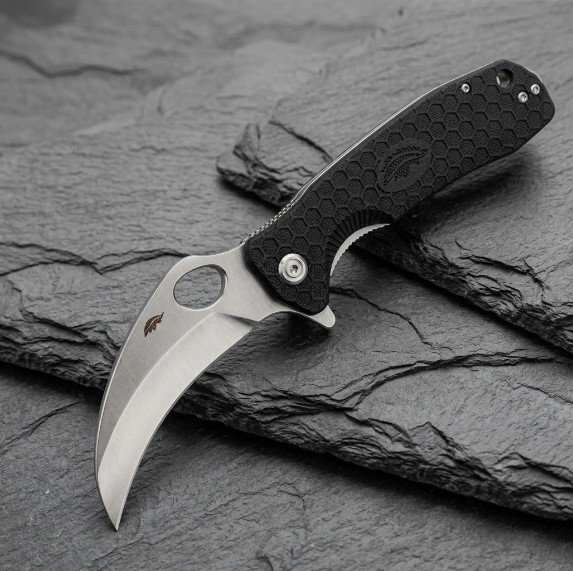
The hawkbill knife — also called a pruner knife, hawkbill knife, or simply a hawkbill — features a blade that curves dramatically downward, mimicking a bird of prey’s beak. That shape isn’t decorative. It’s deeply functional, refined through generations of real-world use.
The hawkbill blade geometry creates a concave cutting edge with a sharply hooked tip. This design enables a pulling cut — meaning the blade draws material into the curve as you slice. The result? Exceptional slicing action through rope, vine, branch, seat belts, and fabric — with far more close control than a straight edge ever delivers.
Think of it this way: a regular blade pushes through material. A hook blade knife captures it. That’s a meaningful difference when precision cutting matters most.
Key hawkbill blade characteristics at a glance:
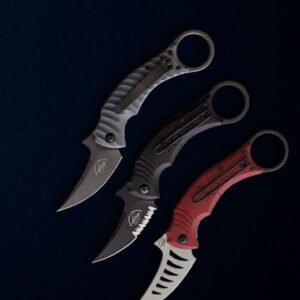
People often confuse the hawkbill with the karambit-style blade. Here’s a quick breakdown:
| Feature | Hawkbill Knife | Karambit |
| Origin | Southeast Asia (agricultural) | Southeast Asia (martial) |
| Primary Use | Cutting, pruning, utility | Combat, self-defence |
| Blade Curve | Moderate, functional curve | Tight, aggressive curve |
| Finger Ring | Optional | Standard |
| EDC Suitability | High | Moderate |
| Blade Profile | Utility-focused | Combat-focused |
The hawkbill leans utilitarian. The karambit leans tactical. Both share DNA but serve entirely different masters.
Your choice depends on how and where you’ll use it. Pocket carry? Go folding. Hard field use? Fixed blade wins every time.
The history of the hawkbill knife stretches back hundreds of years. Its earliest iterations emerged in Southeast Asia, where farmers needed a specialised agricultural knife for harvesting rice and managing vine crops. That curved edge made a pull cut through stalks and vines effortless — and critically, it caused minimal plant damage, protecting crop yields season after season.
This wasn’t just a tool. It was a livelihood saver — a traditional farming knife that shaped entire agricultural economies.
As merchant trade routes expanded between Asia, the Middle East, and Europe, so did knife design philosophies. The hooked blade arrived in European agricultural communities, where its blade functionality in orchards, vineyards, and farms earned immediate respect. By the time it crossed the Atlantic to America, it had already proven itself across multiple continents and cultures.
European knife influence was significant — artisans adapted the hawkbill/pruner knife pattern to suit local materials and regional cutting needs, steadily refining the blade profile along the way.
The Industrial Revolution transformed the pruner knife from a handcrafted regional tool into a mass-produced utility staple. Standardised knife production meant more consistent quality, better materials, and wider availability. American knife manufacturing rose dramatically during this era, laying the foundation for brands that still dominate the market today.
For the first time, a working farmer in Ohio could carry the same trusted hawk bills pattern a rice harvester in Vietnam had relied on for generations.
Three traditional American knife manufacturers defined the hawkbill knife in the domestic market:
“The hawkbill pattern didn’t just survive the industrial age — it thrived because its blade geometry solved real problems that no straight edge could match.”

Today, a vintage Case hawkbill knife commands serious collector interest and strong resale value. Meanwhile, modern manufacturers like MKM Knives and Benchmade have reimagined the traditional knife pattern with contemporary materials and refined blade profiles — proving this heritage knife pattern is anything but obsolete.
The hawkbill’s knife pattern history is a masterclass in functional design that has stood the test of time.
The concave cutting edge is the hawkbill’s superpower. As you draw the blade through material, the curve concentrates cutting force along the belly of the blade. The hooked tip anchors against the material, preventing slippage. Together, they deliver controlled cutting that feels almost effortless — and that’s exactly why you’d use a hawkbill knife over a conventional blade for speciality tasks.
Blade functionality here goes beyond aesthetics. Every curve serves a mechanical purpose.
Blade geometry directly affects performance. Most hawkbill blades feature:
The Toor Knives Karsumba R Socom Black, for instance, features a .18-inch blade thickness — thin enough for manoeuvrable use, strong enough for demanding tasks. That’s blade profile comparison work done right.
Handle material affects both feel and long-term durability. Here’s what you’ll commonly find across the market:
| Handle Material | Best For | Feel & Character |
| Jigged bone handle | Collectors, traditionalists | Warm, classic, heritage appeal |
| G-10 handle | Tactical, outdoor use | Textured, grippy, weather-resistant |
| Grivory handle | Everyday carry | Lightweight, durable, modern |
| Wood handle | Heritage and display pieces | Natural, Premium, timeless |
| Synthetic composite handle | Budget-friendly utility | Consistent, weather-resistant |
Ergonomic grip design matters as much as the material itself. A well-shaped handle transforms a good blade into a reliable cutting tool you’ll actually trust under pressure.
Steel choice defines edge performance. Here’s how the top options stack up:
| Steel | Toughness | Edge Retention | Corrosion Resistance | Maintenance |
| AUS-8 stainless steel | Good | Moderate | Excellent | Easy |
| CPM M4 steel | Exceptional | Outstanding | Moderate | Moderate |
| 440 stainless steel | Good | Good | Excellent | Very easy |
CPM M4 — used in the Toor Karsumba — suits serious field use where high toughness steel and wear-resistant blade performance are non-negotiable. AUS-8 balances performance with easy maintenance for daily carry. 440 stainless shines in collector pieces requiring a mirror-polished blade finish.
Blade durability ultimately comes down to matching steel grade to your actual use case — not just buying the most expensive option on the shelf.
This is the question most buyers ask first. And honestly, the answer is broader than most people expect.
The pruner knife earned its name honestly. Hawkbill knife uses in agriculture and gardening include:
The pull-cut design protects plant material during use — a critical advantage for agricultural productivity and for anyone serious about gardening and agriculture at a professional level. It’s genuinely the best garden pruning tool you can carry in your pocket.
As a hunting utility knife, the hawkbill excels at detail work — skinning, cutting cord, clearing brush. Its controlled slicing blade handles the kind of precise fieldwork where a large fixed blade becomes unwieldy and impractical. It’s a versatile cutting tool that serious hunters have trusted for generations.
As a field utility blade, it handles everything from processing game to cutting paracord at camp — making it one of the most capable outdoor utility knives in this blade category.
The EDC hawkbill knife has exploded in popularity among everyday carry enthusiasts. Its compact size, low-profile pocket clip, and superior slicing action make it surprisingly capable for daily tasks:
A compact carry knife with a hawkbill blade is one of the most underrated EDC tools on the market.
Here’s where the hawkbill truly separates itself from the pack. Emergency rescue professionals and first responders rely on the hooked tip to catch and slice through seat belts and clothing without secondary injury risk to patients. Speed matters in rescue scenarios — and the hook blade knife geometry delivers it.
The same speciality blade shape that made it great for vine cutting makes it equally exceptional as a seat belt rescue knife and clothing rescue cutter in the hands of first responders. That’s versatile cutting tool performance at its finest.
Orchard pruning, nursery work, knife applications, and professional landscaping all demand a blade that cuts cleanly without tearing plant tissue. The hawkbill’s minimal-plant-damage cutting action makes it the professional choice for delicate horticultural tasks where a straight blade would simply tear rather than slice.
Ready to invest? Here are the top picks that deliver genuine value across every use case and budget.
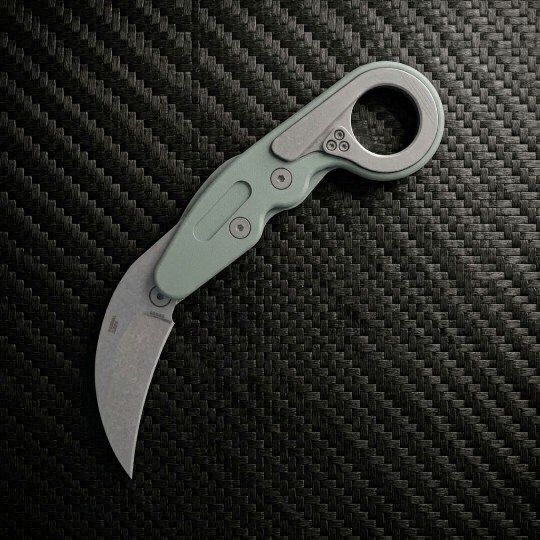
Designed by Joe Caswell, the CRKT Provoke brings mechanical ingenuity to the modern hawkbill design. The CRKT Kinematic system deploys the 2.41-inch AUS-8 blade instantly with a single push of the upper crossbar — smooth, fast, and locked solid. The green Grivory handle keeps it lightweight at 4.7 ounces while providing genuine ergonomic grip comfort.
At 7.19 inches overall, with a low-profile pocket clip and a stonewashed finish that hides daily wear, it’s the ultimate everyday-carry hawkbill for anyone who wants a mechanical folding knife that performs as impressively as it looks.
Specs:
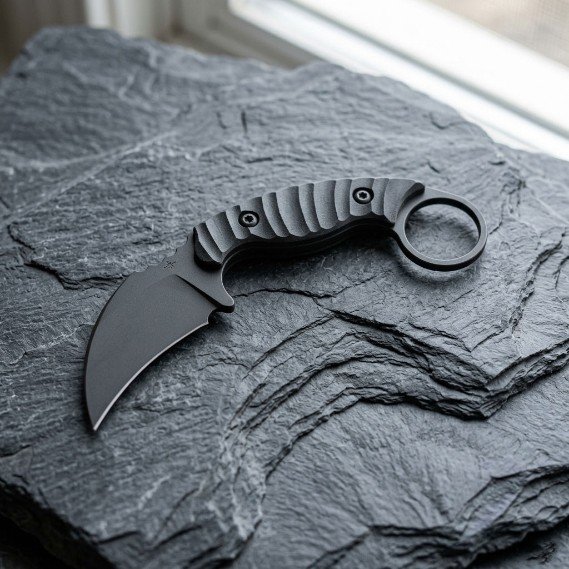
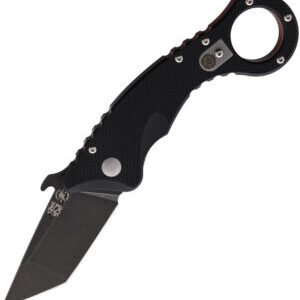
For aggressive cutting performance in a compact, manoeuvrable blade package, the Toor Knives Karsumba R Socom Black is in a class of its own. Its CPM M4 blade delivers jaw-dropping edge retention and wear resistance that outlast those of most competing steels in hard-use scenarios.
The grey G-10 handle with integrated finger ring ensures grip security during fast cuts and precise cuts alike. The full-tang construction guarantees structural integrity under heavy loads. The included black Kydex sheath makes carrying clean and secure. Made in the USA — and it shows in every detail.
Specs:
“The One That Got Away” is exactly that — an antique hawkbill knife aesthetic wrapped in a meticulously crafted modern package. The Remington Limited Edition Hawkbill Bullet features a 3-inch mirror-polished 440 stainless steel blade, red jigged bone handles, nickel-silver bolsters, and a sterling silver bullet shield that makes it instantly recognisable.
Each knife comes with a certificate of authenticity confirming it is a genuine limited-edition knife and a true collector’s item. If heritage, craftsmanship, and cultural knife legacy matter to you — this is the piece. Made in the USA.
Specs:
The Case XX hawkbill remains the gold standard for traditional hawkbill knife collectors and everyday users alike. The hawkbill case knife lineup — including the sought-after Case hawkbill knife 61011 — reflects decades of American knife craftsmanship refined through the Case XX series tradition.
Looking for a Case hawkbill knife for sale? American Knife Depot carries the full Case knife hawkbill lineup at competitive prices, with verified customer reviews backing every purchase.
Shop the full hawkbill knife collection at American Knife Depot — over 13,000 products, the world’s most trusted brands, and competitive pricing backed by 13,700+ verified customer reviews—free shipping on orders over $300.
Before spending your hard-earned money, nail down these key factors:
Match the steel to your actual use case — not to what sounds most impressive:
A secure grip knife in demanding conditions is non-negotiable. Look for:
| Factor | Fixed Blade | Folding |
| Durability | Superior | Good |
| Carry Convenience | Moderate | Excellent |
| Deployment Speed | Instant | Fast (with practice) |
| EDC Suitability | Moderate | Excellent |
| Field Performance | Outstanding | Good |
Limited-edition knife pieces like the Remington Bullet hold their value and appreciate over time. If collecting is your goal, prioritise certificate of authenticity, historical significance, and condition above blade steel specs.
The curved blade complicates standard sharpening. Flat whetstones won’t follow the concave cutting edge properly — and forcing it damages both the edge and the stone.
What is a hawkbill knife used for? Agricultural pruning, rope and vine cutting, EDC tasks, emergency rescue (seat belt and clothing cutting), hunting utility work, orchard maintenance, landscaping, and nursery work. It’s one of the most versatile blade designs across working categories.
What’s the difference between a hawkbill and a pruner knife?
Nothing — they’re the same pattern. “Pruner knife” reflects its deep agricultural roots. “Hawkbill” describes the distinctive blade shape. Both terms refer to the same concave cutting-edge, hooked-tip design.
What is a hawkbill blade?
A hawkbill blade is a curved, concave-edged blade with a downward-hooking tip that enables a powerful pulling cut — ideal for slicing through rope, vines, seat belts, and other materials where a straight blade struggles to gain purchase.
Are hawkbill knives good for EDC?
Absolutely. Compact folders like the CRKT Provoke and Case XX Hawkbill make excellent everyday carry hawkbill options. Their low-profile pocket clip carry and superior slicing capability handle most daily cutting tasks with ease.
What are the best hawkbill knives for the money?
The CRKT Provoke for best value folding, the Toor Karsumba for best fixed-blade, and the Case XX hawkbill for the best traditional option. Benchmade Hawkbill and Boker Hawkbill knives are strong runners-up across price points.
Is a hawkbill knife legal to carry?
Carry laws vary significantly by state and municipality. Always check your local regulations before carrying any fixed or folding blade in public spaces.
What makes hawkbill knives different from other curved blades?
The specific blade geometry — a deeply concave edge combined with a pronounced hooked tip — creates a pull-cut action unique to the hawkbill pattern. It’s a speciality blade shape engineered for controlled slicing that karambit and other curved designs don’t replicate in the same way.
Few blade patterns match the hawkbill knife’s combination of historical depth, functional brilliance, and modern versatility. From its roots as a rice-harvesting knife and traditional farming knife in Southeast Asia to its role as an emergency rescue knife in today’s first-responder kits — this curved blade has earned every inch of its legendary reputation across centuries and continents.
The hawkbill/pruner knife pattern isn’t a niche novelty. It’s a heritage knife pattern with proven blade functionality across agriculture, hunting, EDC, rescue, and collecting — a genuinely versatile cutting tool that adapts to whoever carries it. Whether you’re drawn to the cultural knife legacy of a vintage Case hawkbill knife, the aggressive performance of the Toor Karsumba, the mechanical ingenuity of the CRKT Provoke, or the collector prestige of the Remington Bullet knife — there’s a hawkbill built precisely for your needs and budget.
At American Knife Depot, you’ll find the most comprehensive hawkbill knife selection in the USA — from classic Case hawkbill knives for sale to modern fixed blades — all backed by a 4.8-star rating from over 13,700 verified customers, competitive pricing, and free shipping on orders above $300.
Ready to find your perfect hawkbill? Shop American Knife Depot — America’s most trusted online knife destination—sharp gear. Real value. Built for those who demand the best.
MagnaMax is a notable new knife steel that has been
The history of Chaves Knives begins with one maker, basic
![Rated: 15 Best OTF Knives of 2026 [By Category]](https://americanknifedepot.com/wp-content/uploads/2026/09/Featured-Image-7.jpg)
Finding the best OTF knife is less about chasing the
The Leatherman ARC multitool promises premium materials, 20 tools, and



















Civivi nails everyday carry. Smooth action, perfect balance, and clean design. Easily one of the best EDC knives I’ve owned at this price point.