



MagnaMax Steel – Everything You Need to Know
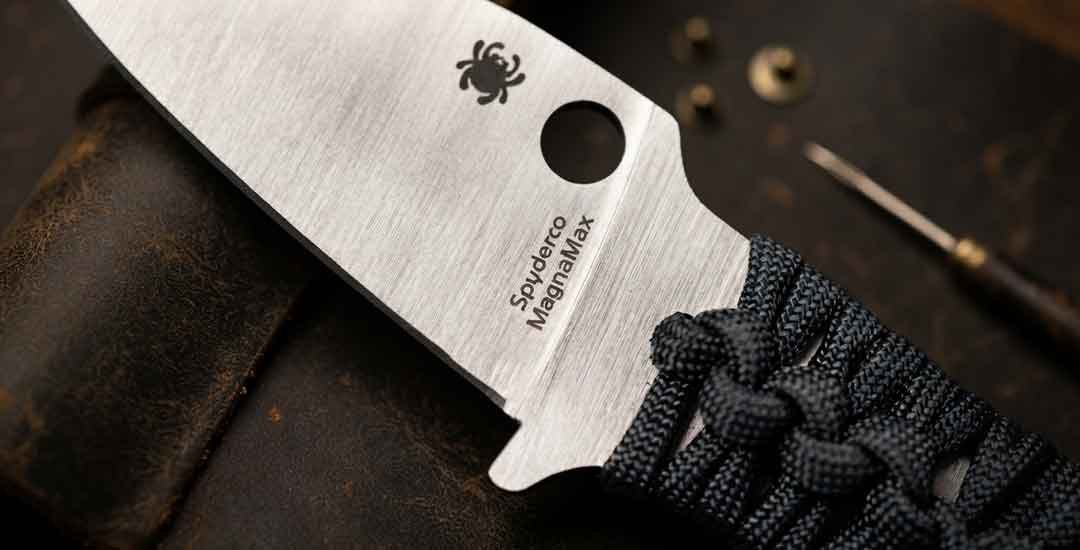
MagnaMax is a notable new knife steel that has been

There’s something deeply compelling about a tool that tells a story. Picture a country doctor in the 1880s, riding through muddy rural roads on a horse and buggy, black medicine bag bouncing on the seat beside him. Inside that bag sat a compact, multi-functional folding knife — sharp enough to cut, flat enough to grind, and clever enough to mix. That knife was the Doctor’s Knife, and its story is one of the most fascinating in American cutlery history.
Whether you’re a serious knife collector, a traditional folding knife enthusiast, or simply curious about medical history, this guide covers everything — from the knife’s 19th-century origins to the best models you can buy today.
The Doctor’s Knife, often called the Physician’s Knife, isn’t your average pocket knife. Physicians developed it specifically to assist with medicine preparation during an era when pharmacies weren’t on every corner, and doctors handled everything themselves.
Unlike a standard folding knife, the doctor’s knife pattern combines two very distinct blades — each serving a precise medical purpose. It’s part cutting tool, part pharmacy instrument. That dual functionality is exactly what made it indispensable to both physicians and pharmacists alike.
Think of it as the Swiss Army knife of 19th-century medicine. Compact, lightweight, and brilliantly designed. Even today, collectors and EDC enthusiasts recognise it as a timeless pocket knife design that refuses to fade into history.
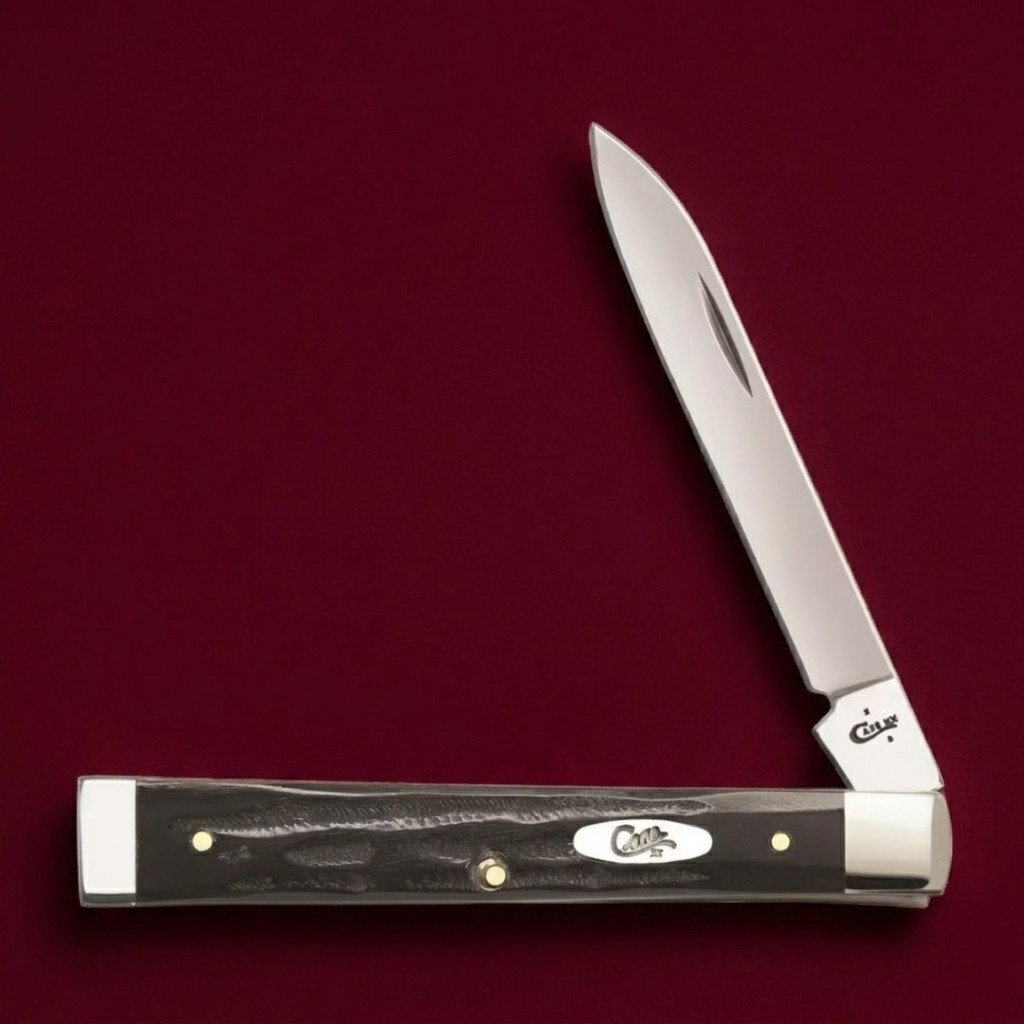
Several features set the doctor’s pocket knife apart from every other traditional pocket knife:
That flat bolstered end, often called the pill buster, is what truly distinguishes this knife. No other traditional folding knife carries that feature. It’s also worth noting — people sometimes ask what a surgeon’s knife is called. Surgeons used dedicated scalpels, but the doc knife served as the closest field equivalent rural physicians carried daily.
The Doctor’s Knife history begins in the late 19th century, born directly out of necessity. Before modern healthcare infrastructure existed, country physicians and rural doctors travelled by horse and buggy to visit patients at home. There were no urgent care clinics. No drive-through pharmacies. Just a doctor, his horse, and whatever fit inside his medicine bag.
“The physician’s kit had to be everything at once — diagnostic tool, surgical instrument, and pharmacy in a bag.”
Travelling doctors needed tools that could handle multiple tasks without adding weight. The doctor’s folding knife answered that call perfectly. Its spear-point blade could cut through bandages or make small incisions. The doctor’s spatula mixed powders and salves right at the patient’s bedside. And that iconic pill buster, or bolster, crushed solid pills into powder for patients who couldn’t swallow them whole.
This was medicine preparation in its most hands-on form — and the medical pocket knife made it possible.
By the early 1900s, the physician’s folding knife had become a staple in both physicians’ kits and pharmacists’ toolboxes. The old pharmacist knife was a fixture behind pharmacy counters across America, used daily for pill preparation and pill dividing, counting out precise doses long before automated pill counters existed.
Here’s what made it so valuable during this era:
| Function | Blade/Feature Used |
| Cutting pills | Spear point blade |
| Dividing medications | Long narrow spear blade |
| Mixing powders | Spatula blade |
| Grinding pills to powder | Flat bolster pill buster |
| Emergency small incisions | Spear blade (backup scalpel) |
| Mixing salves and ointments | Doctor’s spatula blade |
The rise of mass-produced pharmaceuticals gradually reduced the need for bedside medication preparation. But the knife’s reputation was already cemented in American cutlery history.
By the mid-20th century, production of the two-bladed Doctor’s Knife began declining. Modern medical instruments replaced traditional tools. House calls faded. The classic pocket knife pattern that once rode in every physician’s coat pocket slowly disappeared from medical practice.
But here’s the thing — knife collectors never let it die.
Traditional knife enthusiasts recognised the Doctor’s Knife for what it truly was: a piece of living American history. Its functional nostalgia and old-world craftsmanship kept demand alive through the latter half of the 20th century. Then, in 2018, Case reintroduced the pattern through their prestigious Case Vault series — and the collector world went electric.
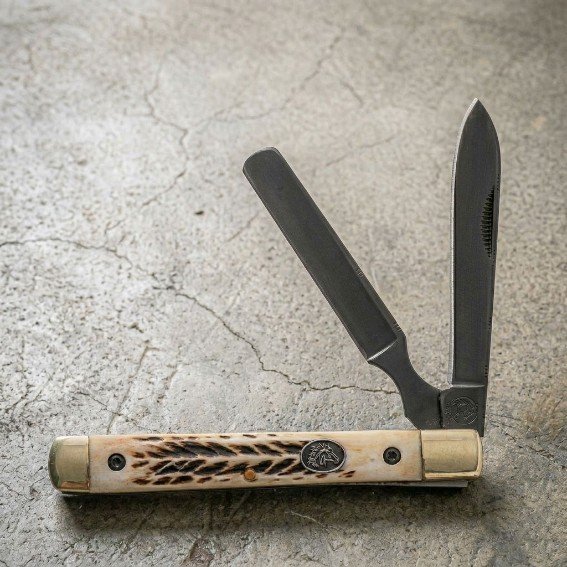
The long, narrow spear blade is the workhorse of the doctor knife. Its geometry — symmetrical, narrow, and acutely pointed — made it ideal for precise pill cutting and pill dividing. In a pinch, it served as a backup scalpel for minor procedures during house call medicine.
Modern versions retain this classic shape. The spear point doctor knife remains the most recognisable feature of the pattern, immediately distinguishing it from every other classic pocket knife design.
The spatula blade is where the doctor’s knife pattern gets truly interesting. Flat, rounded, and deliberately blunt, this blade was never meant to cut. Its job was powder mixing and salve mixing — blending medicinal compounds directly in the field.
Pharmacists later adopted this blade for pill preparation, using it to divide and count medications. Even today, the doctor’s spatula blade remains one of the most distinctive features in traditional pocket knife design.
Perhaps the most iconic element of the doctor knife is the flat bolster pill buster. This isn’t decorative — it’s entirely functional. Physicians used this flat-ended pocket knife feature to pulverise solid pills against hard surfaces, grinding medication into powder for easier patient consumption.
It’s a small detail that carries enormous historical weight. No other traditional folding knife pattern in American cutlery includes anything quite like it.
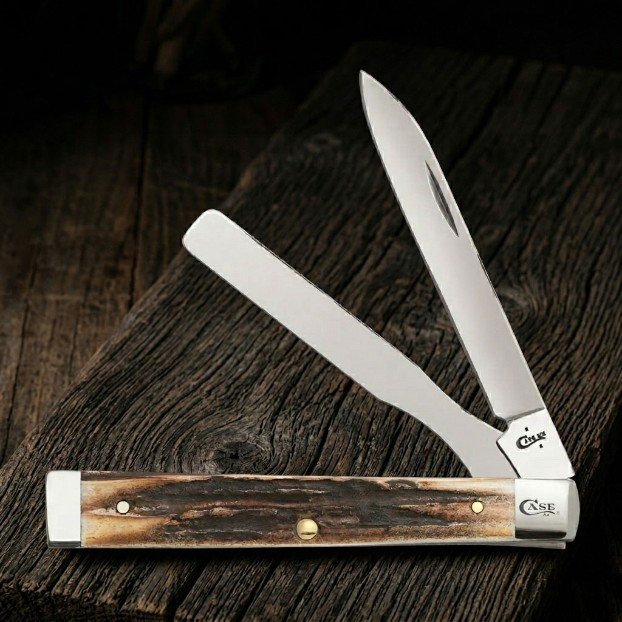
When knife collectors talk about the Case Doctor’s Knife, they speak with genuine reverence. Case XX Doctor’s Knife production dates back to the early 1900s, and those vintage pieces — especially two-bladed versions — command serious attention in collector circles today.
The Case Vault Doctor’s Knife 2018 reissue reignited passion for this classic knife pattern. Released as part of Case’s prestigious Vault series — which revisits retired knife patterns — this reissue became an instant collectable. If you’re a Case collector, tracking down a Case 2018 Vault pattern should absolutely be on your list.
Case XX pocket knife collectors prize these knives for three reasons:
Queen Knives brought Premium materials to the physician’s knife pattern. Their versions typically feature bone handles, stainless steel blades, and meticulous attention to traditional construction. For collectors seeking a heritage pocket knife with genuine character, Queen Knives consistently delivers.
Rough Ryder occupies a sweet spot in American cutlery — quality construction at accessible prices. Their doctor knife offerings bring traditional craftsmanship to everyday collectors without the Premium price tag. Don’t mistake affordability for compromise, though. Rough Ryder builds durable, functional knives genuinely worth carrying.
Frost Cutlery democratised the doctor’s knife pattern for a new generation. Their models combine synthetic handles, stainless steel blades, and solid construction — making the pharmacist knife pattern accessible to collectors at every budget level.
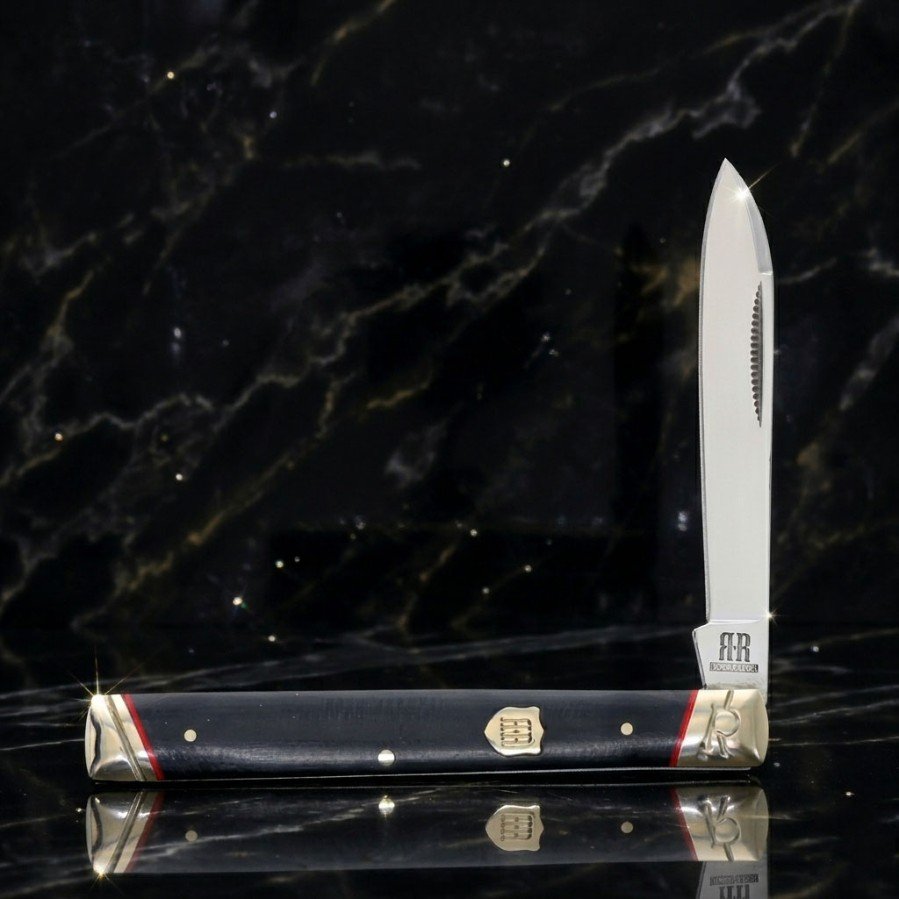
The Rough Ryder Highland Black Micarta Doctor’s Knife is a genuine standout for everyday carry and collecting alike.
Key Specs:
440A stainless steel delivers excellent edge retention and corrosion resistance — perfect for an EDC pocket knife that actually gets used. The black micarta handle feels solid in hand without adding bulk. At under 1.5 ounces, this is genuinely one of the best lightweight pocket knives in the traditional EDC category. It carries like a gentleman’s pocket knife but works like a rugged field tool.
Best for: Everyday carry enthusiasts and entry-level collectors
Shop the Rough Ryder Highland Black Micarta Doctor’s Knife at American Knife Depot
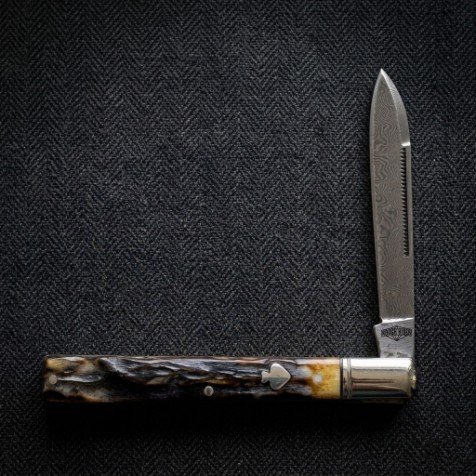
The Frost Silverhorse Stoneworks Jigged Stag Bone Doctor’s Knife is built for those who want something genuinely special.
Key Specs:
The jigged stag bone handle ages beautifully. The fileworked backsprings add an artisan touch rarely seen at this price point. Nickel silver bolsters and that elegant shield complete a knife that looks as good displayed as it does carried. As a compact companion knife, it fits naturally in a pocket without announcing itself.
Best for: Serious collectors and traditional knife enthusiasts
For collectors chasing genuine artistry, the Rough Ryder Cinnamon Bone Damascus Doctor’s Knife delivers something extraordinary.
Key Specs:
Damascus steel isn’t just beautiful — it’s a statement. The flowing patterns in a Damascus spear point blade make every knife genuinely one-of-a-kind. Paired with cinnamon bone handles, this is the kind of collectable doctor knife that stops people mid-conversation.
Best for: Advanced collectors and Damascus steel enthusiasts
| Feature | What Matters |
| Blade Steel | 440A stainless for EDC; Damascus for collecting |
| Handle Material | Bone, jigged stag bone, or micarta for durability |
| Hardware | Nickel silver bolsters, brass liners for quality |
| Closed Length | 3.5–4 inches for comfortable carry |
| Special Features | Match strike pulls, fileworked backsprings |
| Finish | Satin finish or titanium nitride coating |
Vintage Case XX doctor knives — particularly pre-1970s two-blade versions — carry real collector value. Look for:
Modern reissues like the Case Vault 2018 offer collectibility with reliability — a smart choice for collectors who want history without the hunt.
For everyday carry: Prioritise 440A stainless steel, micarta handles, and a closed length under 4 inches. The Rough Ryder Highland Black Micarta checks every box perfectly.
For collecting: Chase Damascus blades, jigged stag bone handles, and limited production runs. The rarer the better. A well-chosen case doctor knife for sale from a reputable dealer can appreciate significantly over time.
What is a Doctor’s Knife used for?
Originally for pill cutting, powder mixing, salve mixing, and occasional small incisions. Today, it serves primarily as a collector’s item and a traditional EDC tool with serious functional-nostalgia knife appeal.
What is a pill buster on a knife?
The flat bolster at the knife’s end is designed specifically for grinding pills into powder for easier patient consumption.
What is a surgeon’s knife called?
Surgeons use dedicated scalpels in clinical settings. However, the doc knife — specifically its spear blade — served as the closest field equivalent that rural physicians and travelling doctors carried before modern medical instruments existed.
Why do doctors’ knives have a spatula blade?
For mixing medicinal powders and salves — a critical task before mass-produced pharmaceuticals existed.
Are Case Doctor’s Knives still made?
Yes. The Case Vault 2018 reissue brought the pattern back, and it remains highly collectable among serious Case doctors’ knives enthusiasts.
Is a Doctor’s Knife good for everyday carry?
Absolutely. Compact, lightweight models like the Rough Ryder Highland Black Micarta work excellently as traditional EDC knives and double beautifully as a gentleman’s pocket knife for daily use.
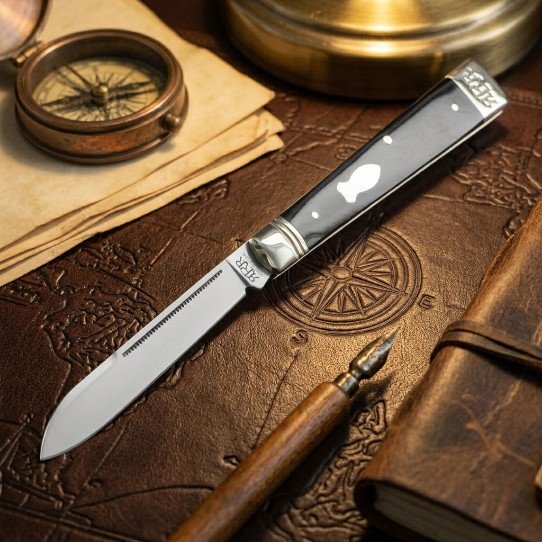
The Doctor’s Knife isn’t just a folding knife — it’s a time capsule. From rural physicians mixing salves on farmhouse kitchen tables to modern collectors chasing Damascus doctor knives at shows, this pattern has travelled an extraordinary road through American history.
Its long, narrow spear blade, doctor’s spatula, and iconic pill buster bolster tell the story of an era when doctors were resourceful, tools were versatile, and craftsmanship genuinely mattered. That timeless pocket knife design carries a weight no modern medical instrument can replicate. It’s functional nostalgia in its purest form — a compact companion knife that bridges two centuries with quiet dignity.
Whether you’re hunting a vintage Case doctor knife, searching for the perfect traditional EDC, building a classic pocket knife collection, or simply want a gentleman’s pocket knife with genuine historical soul — the Doctor’s Knife deserves a permanent place in your collection.Explore the full Doctor’s Knife collection at American Knife Depot — where Premium traditional knives meet competitive pricing, 13,000+ products, and a 4.8-star reputation built on over 13,700 verified customer reviews—sharp gear. Real value. Built for those who demand the best.
MagnaMax is a notable new knife steel that has been
The history of Chaves Knives begins with one maker, basic
![Rated: 15 Best OTF Knives of 2026 [By Category]](https://americanknifedepot.com/wp-content/uploads/2026/09/Featured-Image-7.jpg)
Finding the best OTF knife is less about chasing the
The Leatherman ARC multitool promises premium materials, 20 tools, and



















Civivi nails everyday carry. Smooth action, perfect balance, and clean design. Easily one of the best EDC knives I’ve owned at this price point.