
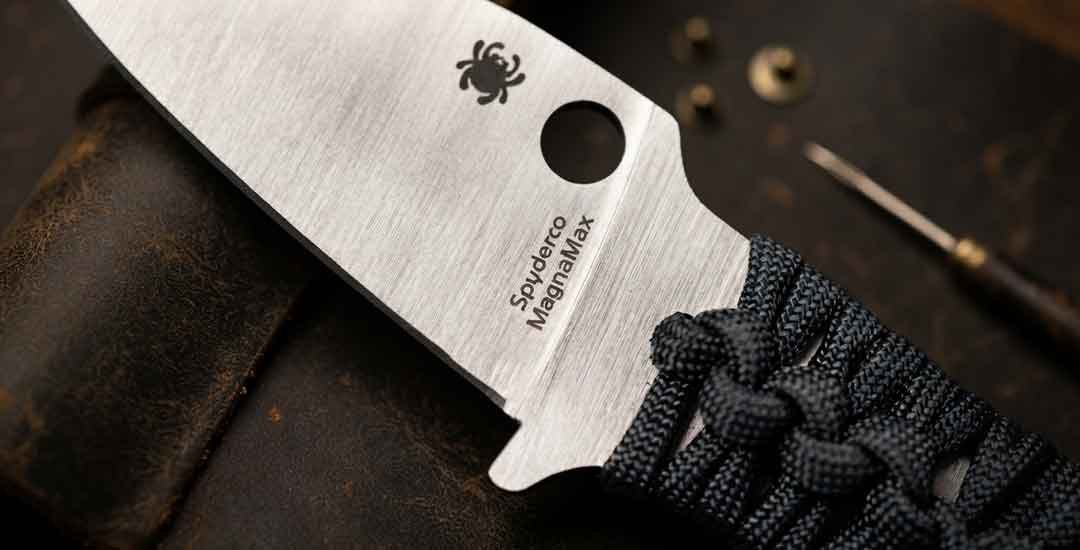
MagnaMax Steel – Everything You Need to Know
MagnaMax is a notable new knife steel that has been
Pick up any pocket knife, and you’re holding centuries of design history. Some folders snap open with a button. Others need two hands and a bit of patience. Each style solves a different problem, and picking the wrong everyday carry knife for your needs is a common, avoidable mistake.
This pocket knife guide breaks down every major category on the market, from traditional slipjoint knives to automatic blades. You’ll learn how each one works, where it shines, and where it falls short, so you know exactly which type fits your life, your budget, and your local knife laws. Whether you’re a first-time buyer or a longtime knife enthusiast rounding out a collection, this breakdown covers what actually matters.
Here’s the short version before we dive deep:
A solid rule of thumb: if you’re new to pocket knives, start with a mid-sized locking folder in the 3 to 3.5-inch blade range. It covers the widest range of daily cutting tasks without running into legal trouble.
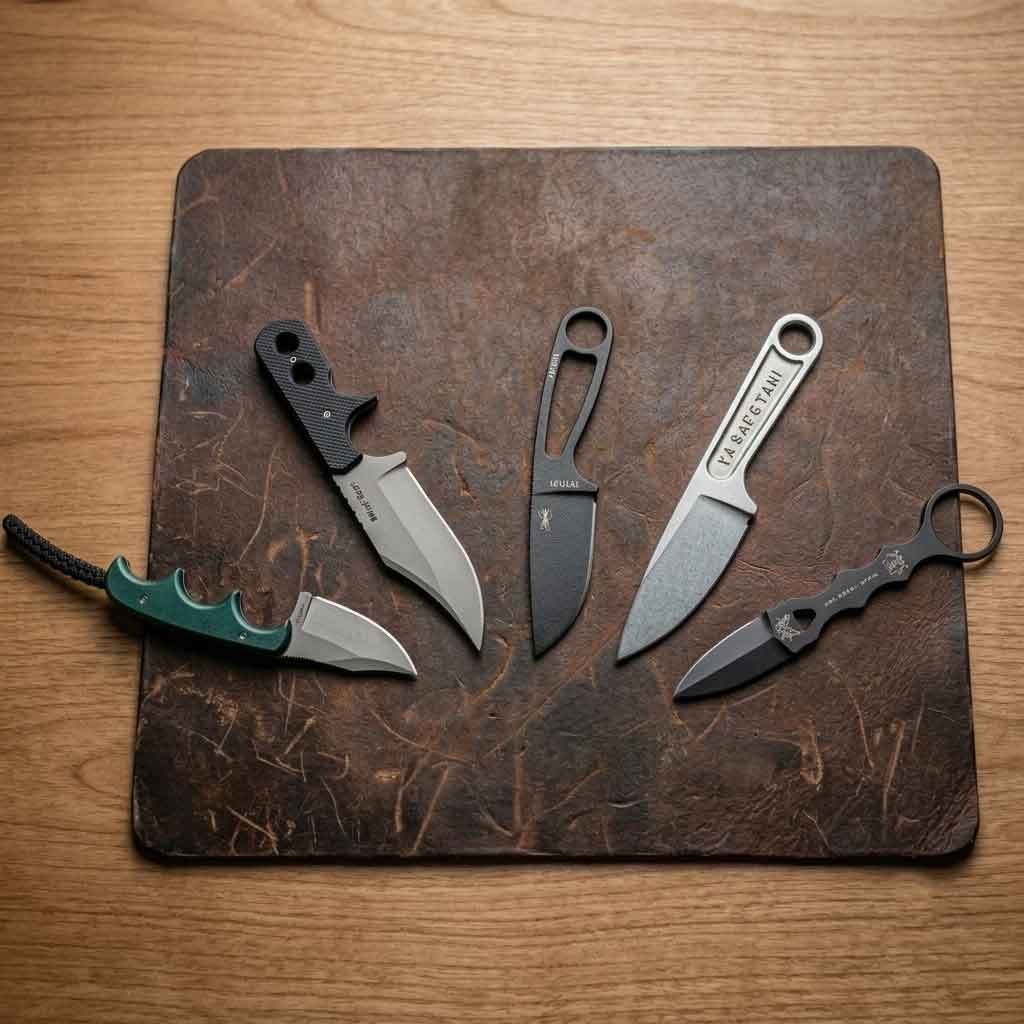
Four variables separate one pocket knife category from another. The opening mechanism decides whether the blade needs a thumb stud, flipper tab, nail nick, or button to deploy. The locking mechanism matters just as much, since a knife either locks the blade open, relies on spring tension alone, or has no lock at all. Blade pattern and shape determine which tasks a knife handles well, and intended use ties it all together, since a hunting knife performs nothing like an office-carry folder.
Understanding these knife mechanisms up front makes the rest of this knife-buying guide easier to follow. Personal preferences, blade length, and blade geometry all matter too, but they come second to nailing the right knife selection criteria for your actual needs.
Traditional slip-joint knives are the oldest pocket knife style still in daily use.
The slipjoint mechanism uses a flat spring inside the handle to create resistance at the blade pivot. Open the blade, and it snaps into position, with spring tension holding it there. Nothing actually locks it, though. Apply enough pressure to the spine, and the blade can fold shut. That’s not a flaw. It’s how the design has always worked, and it demands a slightly different cutting technique from that required by a locking folder.
These traditional knife patterns stood the test of time, each shaped by a specific trade. A few, like the Congress knife, qualify as a true multi-blade knife built for maximum versatility:
| Pattern | Blade Count | Best Known For |
| Stockman knife | 3 blades (clip point, spey, sheepsfoot) | All-around farm and utility work |
| Trapper knife | 2 long blades | Slim profile, everyday carry |
| Canoe knife | 2 blades | Comfortable rounded grip |
| Barlow knife | 1-2 blades | Elongated bolster, classic shape |
| Congress knife | 4 blades | Maximum traditional versatility |
Traditional folders lean on natural handle materials like bone or wood, paired with a brass or nickel-silver bolster for durability. Blade steel favors ease of sharpening over extreme edge retention. 1095 carbon steel is common because it takes a sharp edge quickly and sharpens easily in the field, though it develops a patina and requires more rust prevention than stainless steel options. This focus on hand-fitted bolsters and natural materials is exactly why traditional knife craftsmanship still draws collectors today.
If you live somewhere with strict knife laws, a non-locking folder under three inches is often your safest bet. Slip joints also work well for office carry, since they read as tools rather than weapons, and they’re a favorite among collectors who value craftsmanship and historical patterns.
Two-handed opening slows you down. You also need to stay mindful of blade paths and finger safety, since there’s no lock to back you up. For heavy-duty cutting, this isn’t the right tool.
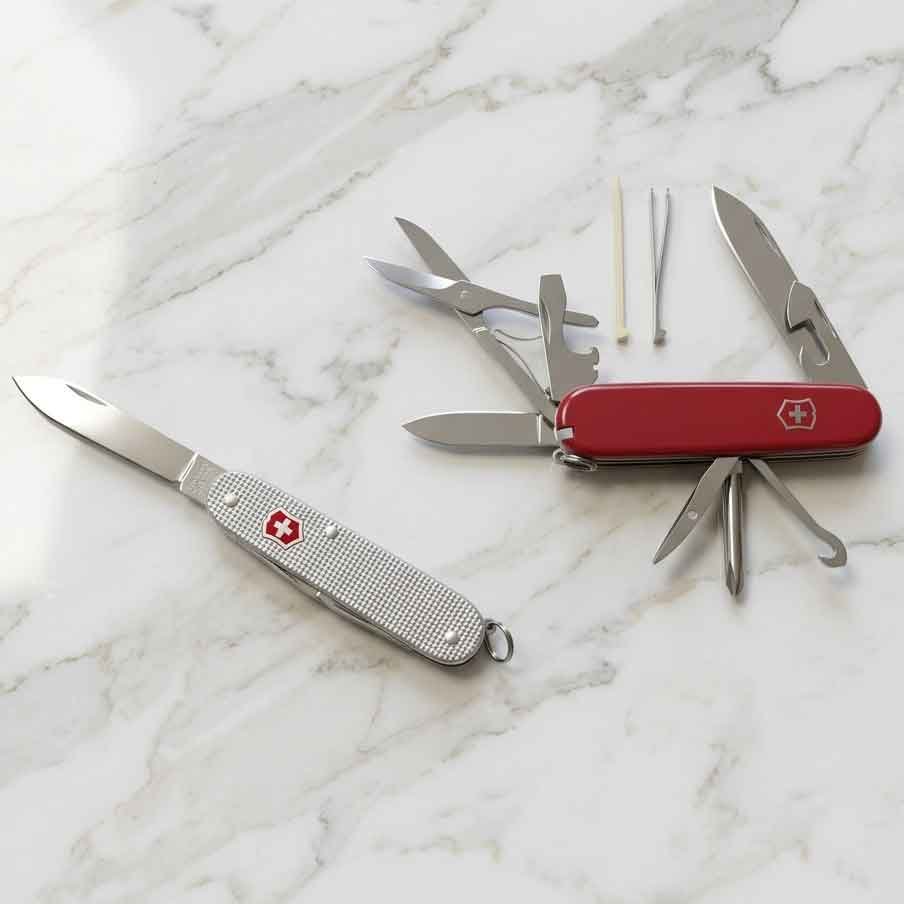
Modern locking folders make up the bulk of today’s EDC knife market, simply because they’re more practical for daily use.
| Lock Type | How It Works | Known For |
| Liner lock | Spring-loaded liner braces behind the blade | Simple, affordable, widely used |
| Frame lock | The handle scale itself locks the blade | Strong, lightweight, titanium-friendly |
| Axis lock | Spring-loaded bar spans the handle | Ambidextrous knife with smooth blade action |
| Compression lock | Spyderco’s locking bar sits on the spine | Strong, easy one-handed use |
| Button lock | Push-button release | Fast deployment, satisfying action |
One-handed operation is the headline feature. Thumb studs, thumb holes, and flipper tabs let you deploy the blade without your off hand, and a quality ball-bearing pivot keeps that action smooth for years. Premium steels like S30V, M390, and 14C28N deliver edge retention and corrosion resistance well beyond those of traditional carbon steel. Handle materials have come a long way too, with G-10, Micarta, titanium, carbon fiber, and aerospace-grade aluminum replacing the bone and wood you’d find on a traditional pattern. Most modern folders ship with a pocket clip, often with multiple carry-comfort positions.
A reliable lock matters as much as the steel. Look for a knife with a reputation for lock strength and lock reliability rather than one prone to lock rock, since that wobble is usually the first sign of a knife losing its secure locking mechanism over time.
Anyone who actually uses a knife for real work, not just the occasional box, should start here. The secure blade lockup means you can apply real pressure without worrying about accidental blade closure.
Some jurisdictions restrict locking knives or one-handed opening mechanisms, so check local knife laws before you carry. Modern folders also tend to look more aggressive than traditional patterns, which can raise eyebrows in conservative office settings.
Shopping for a dependable modern folder? American Knife Depot stocks locking folders from Kershaw, Zero Tolerance, Civivi, and Ka-Bar, spanning budget steel through Premium S30V and M390 builds. Browse American Knife Depot’s modern locking folders and EDC knives and filter by lock type, steel, or brand.
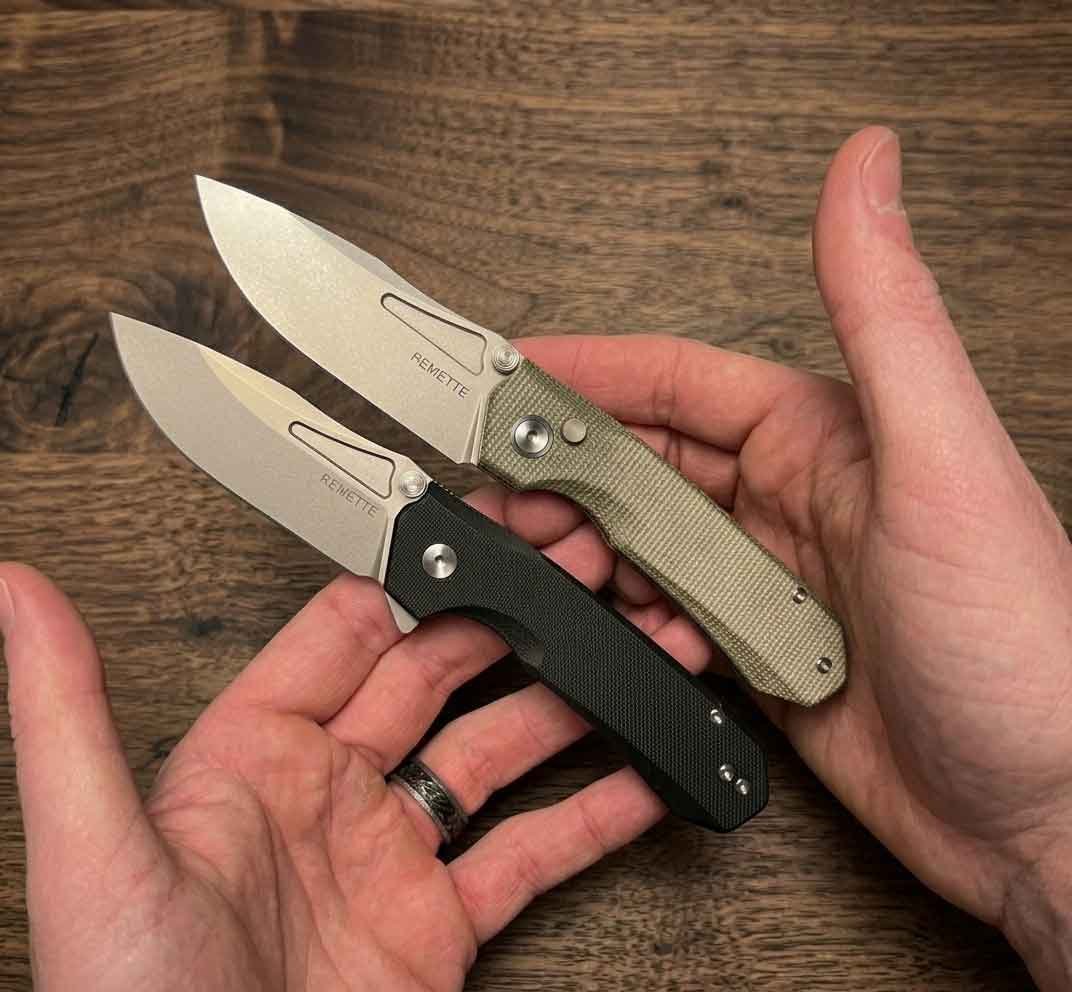
Assisted-opening knives sit right between manual folders and full automatics.
A torsion bar or coil spring takes over once you manually push the blade past roughly 25 to 30 degrees, completing a fast blade deployment in a fraction of a second. Kershaw’s SpeedSafe system popularized this spring-powered opening style, found on knives like the Blur and Leek. You still initiate the motion by hand, which matters legally.
Assisted-opening knives are legal in most U.S. states, though a handful of states enforce locking-knife restrictions or assisted-opening knife laws that ban or limit them outright. The deciding factor is almost always whether you manually initiate the opening. Always verify your state’s knife laws before buying, since rules vary from one jurisdiction to the next.
Speed is the obvious win, and spring assistance also helps anyone with reduced hand strength or limited dexterity. The downside: more moving parts mean more failure points, and springs weaken with age.
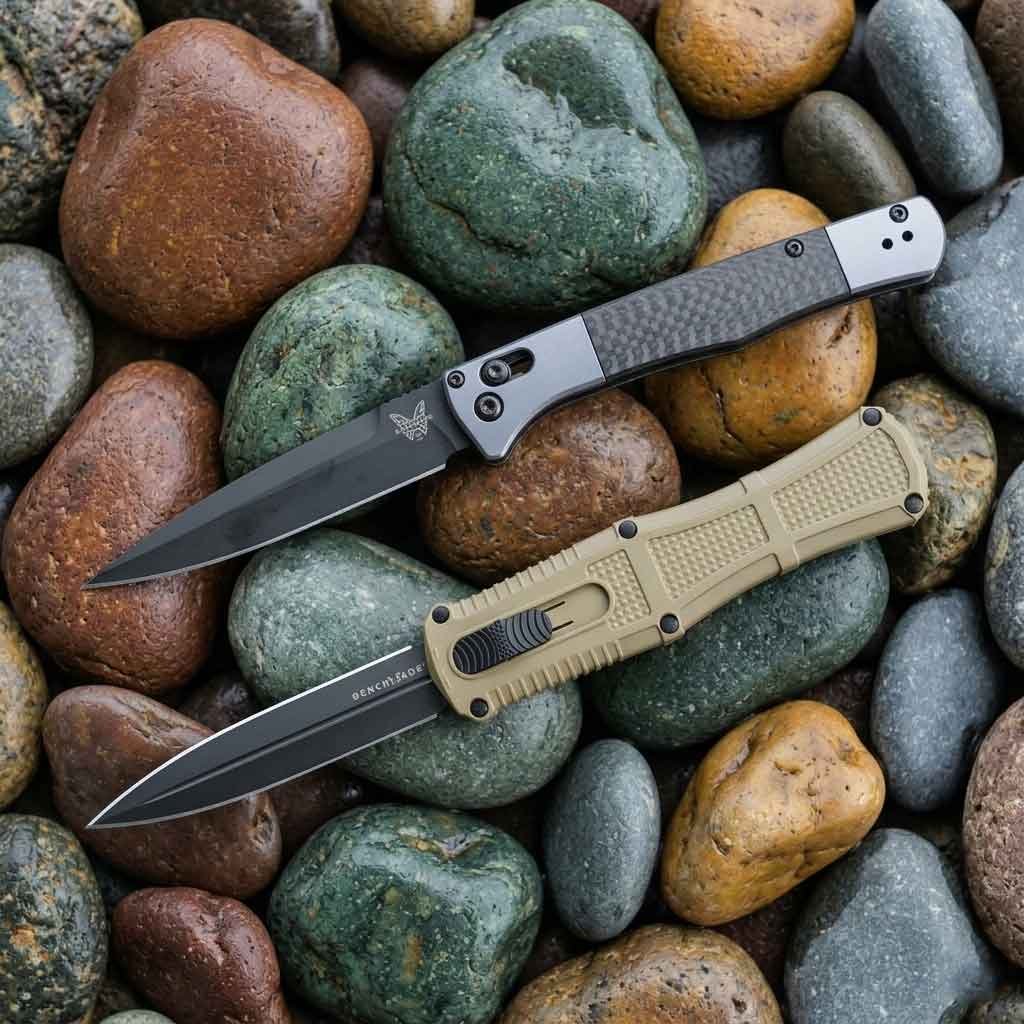
Automatic knives deploy entirely through spring power; no manual push required.
Press a push-button or switch, and a spring under constant tension releases, snapping the blade open. Two main styles exist: the out-the-front automatic, or OTF knife, which deploys straight from the handle’s front via single-action or double-action mechanics, and the side-opening automatic, which swings out like a traditional folder but with spring power doing the work. Double-action models also handle automatic retraction at the push of a button, while single-action versions need manual retraction.
This category carries the steepest legal restrictions. Federal law limits interstate commerce, and individual states range from full bans on civilian ownership to permitting it only under a disability, military, or law-enforcement exemption. Research your state’s current automatic-knife restrictions before buying.
A cheap automatic is a mechanical liability. Reputable brands like Microtech, Benchmade, and Pro-Tech build automatics that hold up over the years, typically priced between $200 and $500. Budget overseas automatics flood the market, but reliability remains inconsistent.
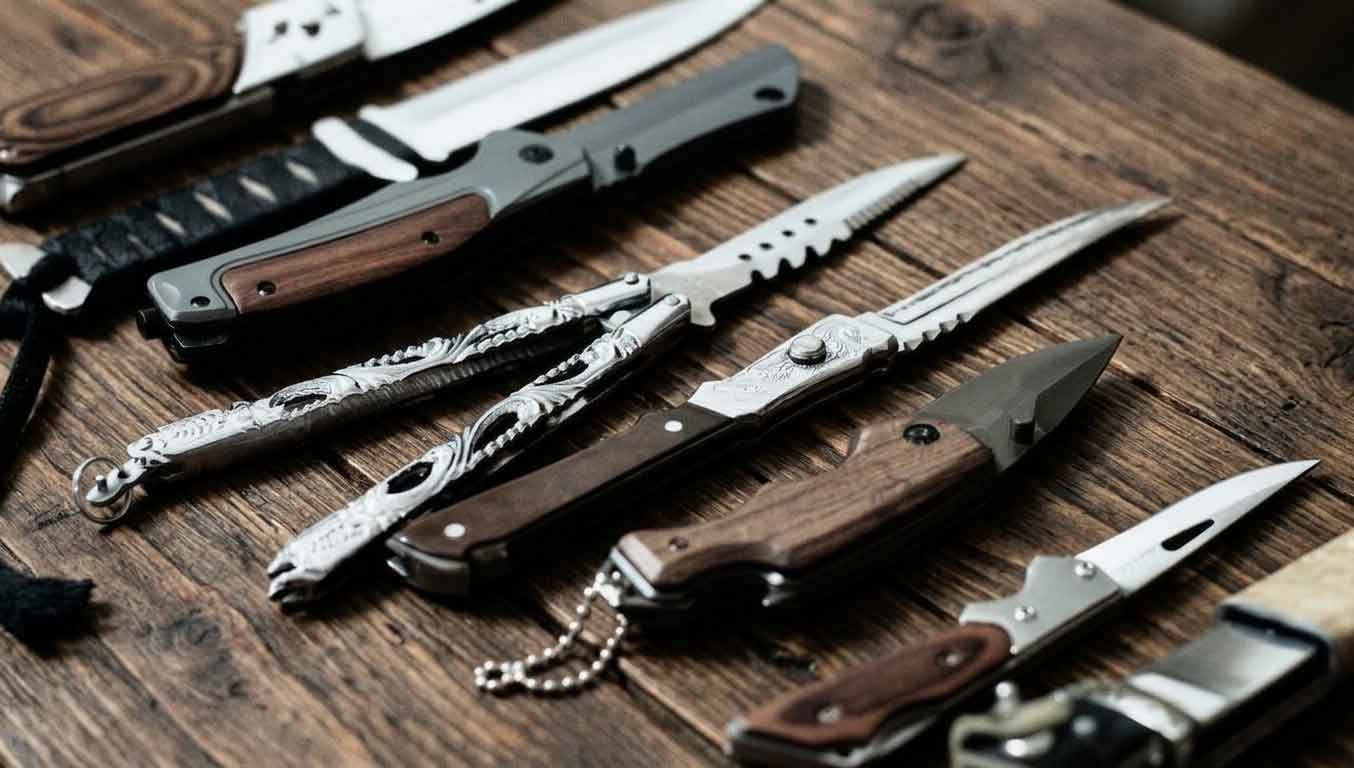
Multi-tools aren’t strictly pocket knives, but they earn a spot in any discussion of folding cutting tools and folding tools more broadly.
A Swiss Army knife, popularized by Victorinox, pairs a slip-joint blade with multi-tool scissors and a multi-tool screwdriver as a classic knife-and-tool combination. Pliers-based multi-tools, led by Leatherman-style designs, are built around folding pliers, with a multi-tool file or multi-tool can opener tucked inside the handles.
A multi-tool’s blade never matches a dedicated pocket knife of similar quality. It’s usually shorter and slower to deploy, which is the blade performance compromise you accept. In exchange, you get genuine multi-tool versatility in a single, compact toolkit.
Maintenance workers and anyone juggling a variety of daily tasks benefit most from a quality multi-tool. If you’re focused on minimalist carry and mostly need a knife, rarely a screwdriver, stick with a dedicated blade instead.
A few categories serve narrower purposes.
Blade shape and steel choice quietly determine how a knife performs day to day. Think of this as a quick blade shape guide: a drop-point blade handles the widest range of tasks for most users and works as a true general-purpose blade; a clip-point blade offers a finer tip for detail work; a spey blade suits controlled push-cuts; a sheepsfoot blade acts as a precise detail-cutting blade; and a tanto blade trades some versatility for tip strength.
| Steel | Strength | Trade-off |
| 1095 carbon steel | Easy field sharpening, low blade patina maintenance issues | Needs rust prevention |
| D2 steel | Strong edge retention | Tougher to sharpen |
| S30V steel | Balanced, durable blade steel | Mid-to-premium price |
| M390 steel | Excellent corrosion resistance | Higher cost |
| 14C28N steel | Good all-around, balanced knife steel | Budget-friendly |
As one longtime collector put it, “the best steel is the one you’ll actually sharpen without dreading it.” That’s worth remembering before chasing a spec sheet over real-world sharpening ease and knife edge maintenance.
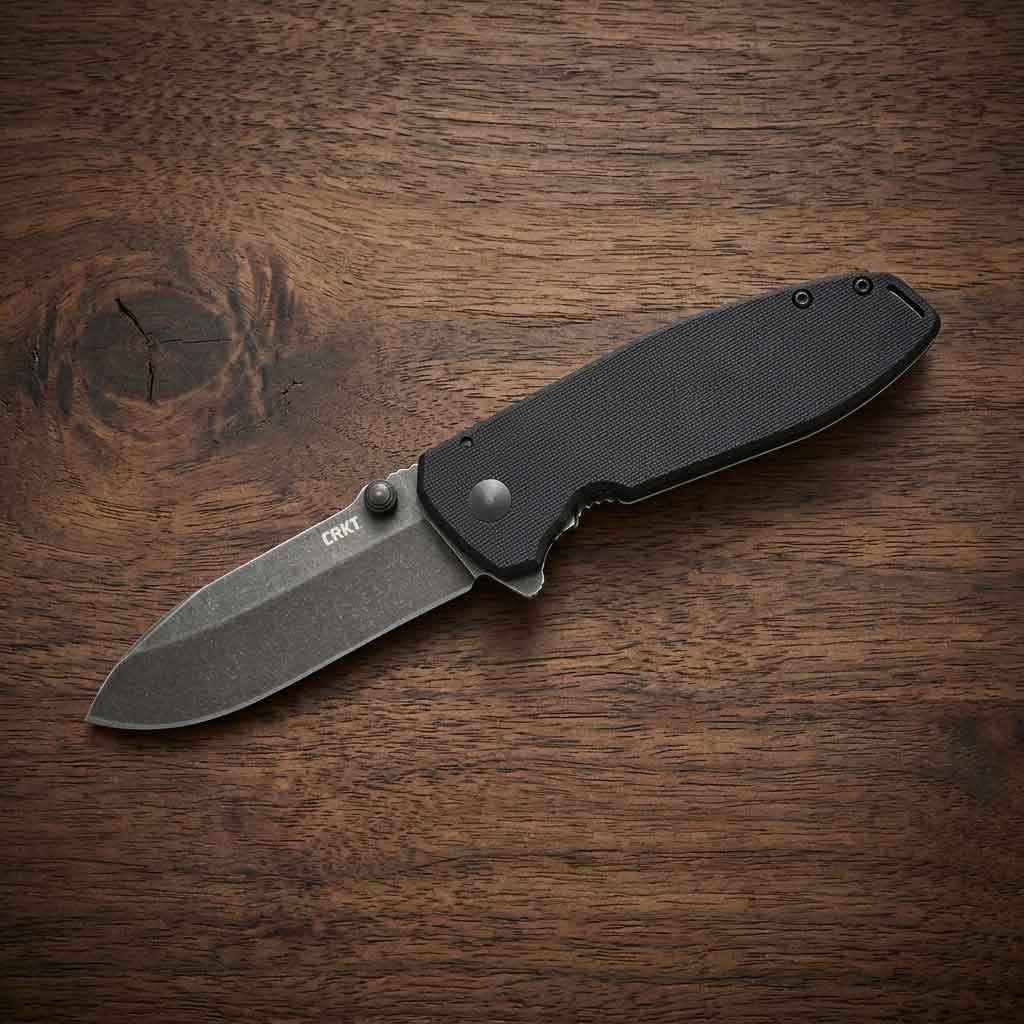
Office tasks and light package opening barely stress a knife, so a pocket knife for office carry rarely needs Premium steel. Several common scenarios point toward a different choice:
Blade-length restrictions, locking-knife rules, and automatic-knife bans vary by state and city, and knife carry laws can differ from one county to the next. When in doubt, a non-locking folder under three inches clears nearly every local knife regulation in the country.
Knife maintenance is easy to ignore until a lock starts feeling loose. A drop of oil on the blade pivot, regular knife cleaning to clear out pocket lint buildup, and the occasional pivot maintenance check keep mechanical reliability high and help prevent premature knife spring failure on assisted and automatic models. Spring maintenance matters most on knives you carry daily, since lint and dust work into the action faster than most people expect.
Knife safety matters just as much as the mechanics. Stay mindful of blade spine pressure on a slipjoint, keep a secure grip during any cutting task, and practice proper knife handling rather than rushing a cut. These small habits, plus a basic understanding of the maintenance requirements for your specific lock type, separate strong long-term knife performance from a knife that fails right when you need it.
Every pocket knife decision comes down to a handful of recurring trade-offs:
Keeping these pairs in mind does more for your final decision than memorizing every spec sheet.
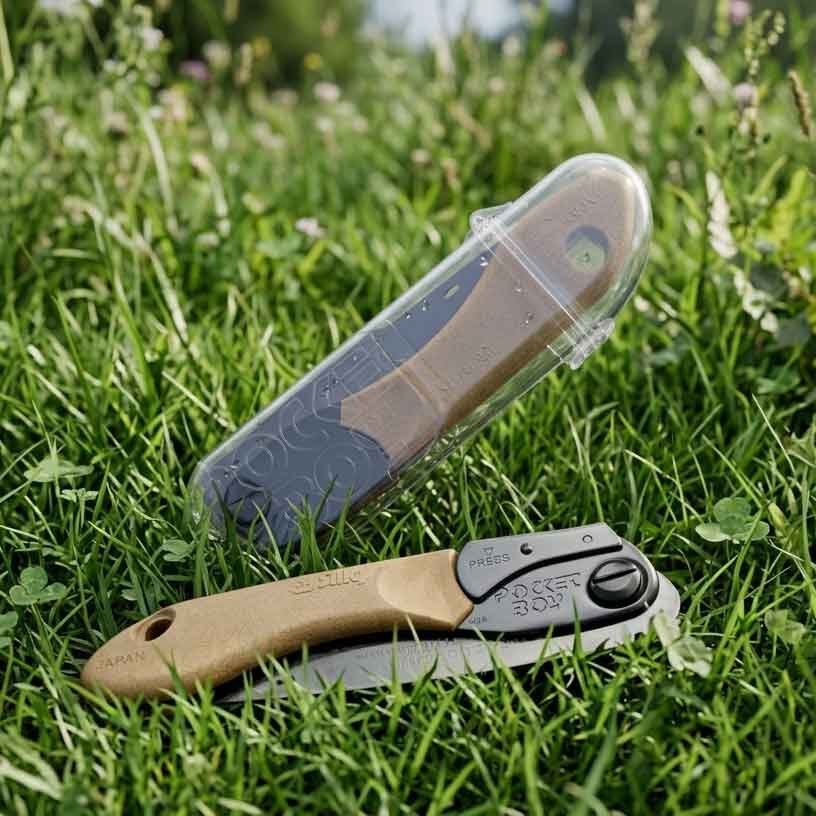
There’s no single perfect pocket knife. Every type trades one thing for another: size against capability, tradition against innovation, speed against legal compliance. What matters is matching the knife to your actual life, not the spec sheet alone.
If you’re ready to put this guide into practice, American Knife Depot carries every category covered here, from traditional slip joints and modern locking folders to assisted-opening Kershaws and Premium automatics, alongside trusted brands like Gerber, Civivi, Olight, and Zero Tolerance. With over 13,000 products, a 4.8-star rating from 13,700+ verified reviews, and free shipping on orders over $300, it’s a dependable destination for knife enthusiasts and first-time buyers alike. Shop pocket knives, multi-tools, and EDC gear at American Knife Depot and find the style built for how you live.
What’s the most versatile type of pocket knife?
A modern locking folder with a 3 to 3.5-inch drop-point blade covers the widest range of daily tasks while staying legal in most places.
Are automatic knives legal everywhere?
No. Automatic-knife laws vary widely by state, ranging from full civilian ownership to outright bans, with some exemptions for military or law-enforcement use.
What’s the difference between assisted-opening and automatic knives?
Assisted-opening knives require a manual push to initiate the motion before a spring completes it. Automatic knives open entirely on spring power once you press a button, with no manual deployment at all.
Which type of pocket knife works best for beginners?
A mid-priced, modern locking folder in the $50 to $80 range gives new users secure blade lockup and dependable steel without overwhelming choices.
Do I need a locking pocket knife?
For any task involving real pressure or force, yes. A locking mechanism prevents accidental blade closure, which matters more than people expect until they’ve felt a slip joint shift mid-cut.
What’s the difference between a liner lock and a frame lock?
A liner-lock knife uses a separate metal liner inside the handle to brace the blade, while a frame-lock knife uses the handle scale itself as the locking bar. Frame locks tend to run stronger and lighter, especially on titanium-handle builds, while liner locks remain common on more affordable knives.
How do I maintain a pocket knife?
Wipe the blade dry after use, add a drop of light oil to the pivot every few months, and clear out pocket lint buildup with a quick blast of compressed air. That basic knife maintenance routine prevents most lock reliability issues before they start.
MagnaMax is a notable new knife steel that has been
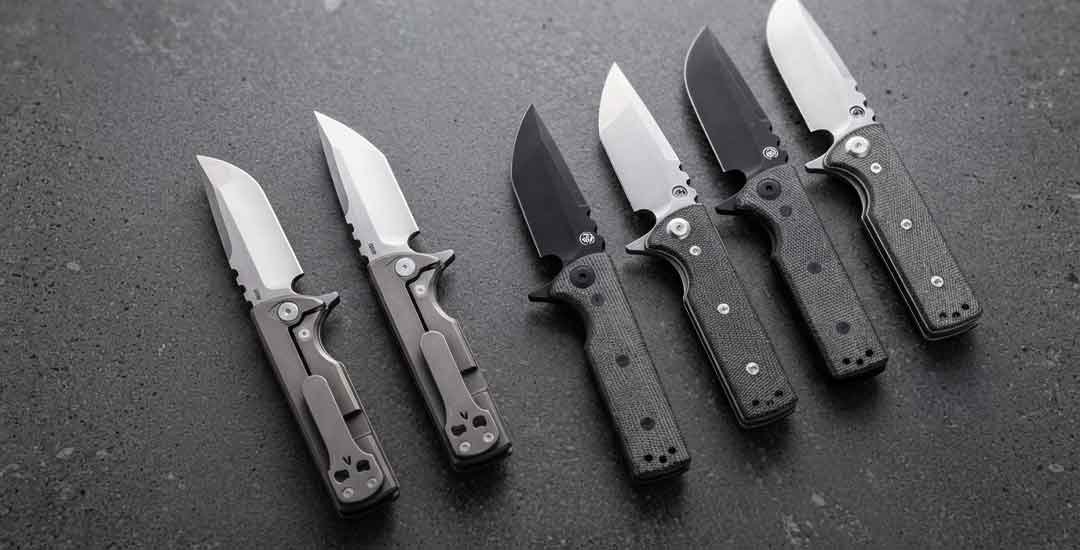
The history of Chaves Knives begins with one maker, basic
![Rated: 15 Best OTF Knives of 2026 [By Category]](https://americanknifedepot.com/wp-content/uploads/2026/09/Featured-Image-7.jpg)
Finding the best OTF knife is less about chasing the
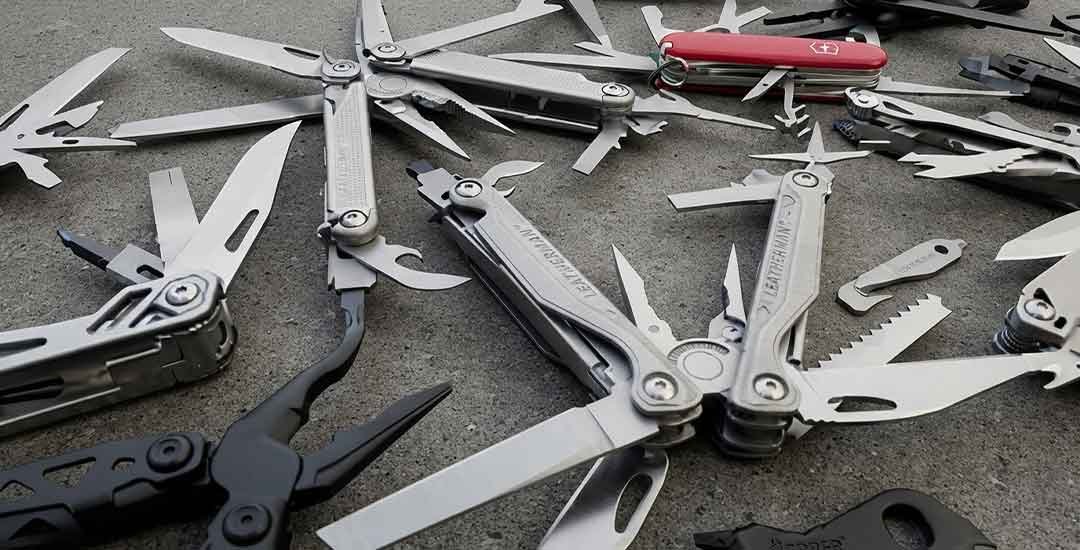
The Leatherman ARC multitool promises premium materials, 20 tools, and


















Civivi nails everyday carry. Smooth action, perfect balance, and clean design. Easily one of the best EDC knives I’ve owned at this price point.