
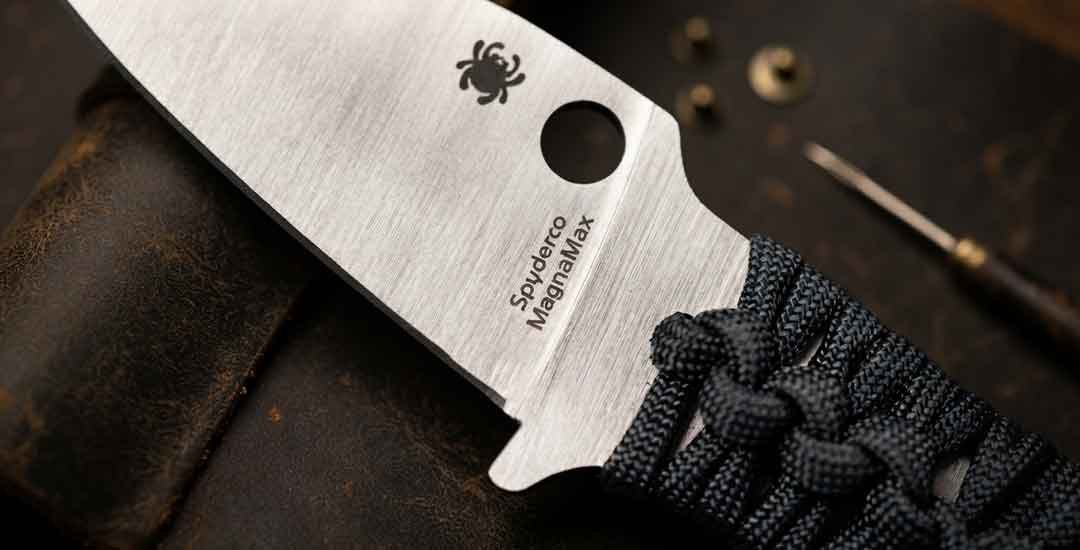
MagnaMax Steel – Everything You Need to Know
MagnaMax is a notable new knife steel that has been
You’ve probably held a folding knife at some point and felt that tiny wobble in the blade. It’s not a big deal for opening boxes. But when you need a tool that won’t fail you, that wobble starts to matter. That’s where fixed blade knives come in.
A fixed-blade knife is built differently. There’s no hinge, no lock, no moving parts to wear out or jam up when you need the blade most. Just one solid piece of steel from tip to tail, wrapped in a handle that’s meant to take a beating. Whether you’re skinning a deer, building a fire, or just carrying something dependable on your hip, a good fixed blade earns its keep fast.
This guide breaks down everything you need to know before buying one. No fluff, no filler. Just the real stuff: blade types, steel, handles, sheaths, and how to pick the right knife for the job you actually need it to do.
A fixed blade knife is exactly what it sounds like. The blade doesn’t fold or retract. It’s permanently set into the handle, which usually means the steel runs the entire length of the knife as one continuous piece, called the tang.
That single-piece construction is the whole point. There’s nothing to loosen over time. Nothing to snap under pressure. You can baton through wood, pry open a stuck latch, or field dress an animal without worrying about a folding mechanism giving out mid-task.
Compare that to a folding knife, where the blade pivots on a pin and locks into place. Folders are great for everyday carry in a pocket. But ask any hunter who’s had a lock fail while skinning, and they’ll tell you: for hard use, fixed beats folded every time.
Here’s a straightforward comparison to help you decide.
| Feature | Fixed Blade Knife | Folding Knife |
| Strength | Higher, due to full tang construction | Lower, limited by the pivot and lock |
| Reliability under stress | Excellent, no moving parts to fail | Good, but locks can wear or fail |
| Carry convenience | Requires a sheath, worn on belt or vest | Fits in a pocket |
| Best for | Bushcraft, hunting, tactical use, survival | EDC, light cutting tasks, urban carry |
| Maintenance | Simple, fewer parts to clean | More parts, needs occasional lubrication |
If your day involves batoning firewood, processing game, or relying on a blade in an emergency, a fixed blade knife is the safer bet. If you just need something to open packages and cut zip ties around town, a folder might do the job. A lot of serious knife owners carry both. There’s no rule saying you have to pick just one.
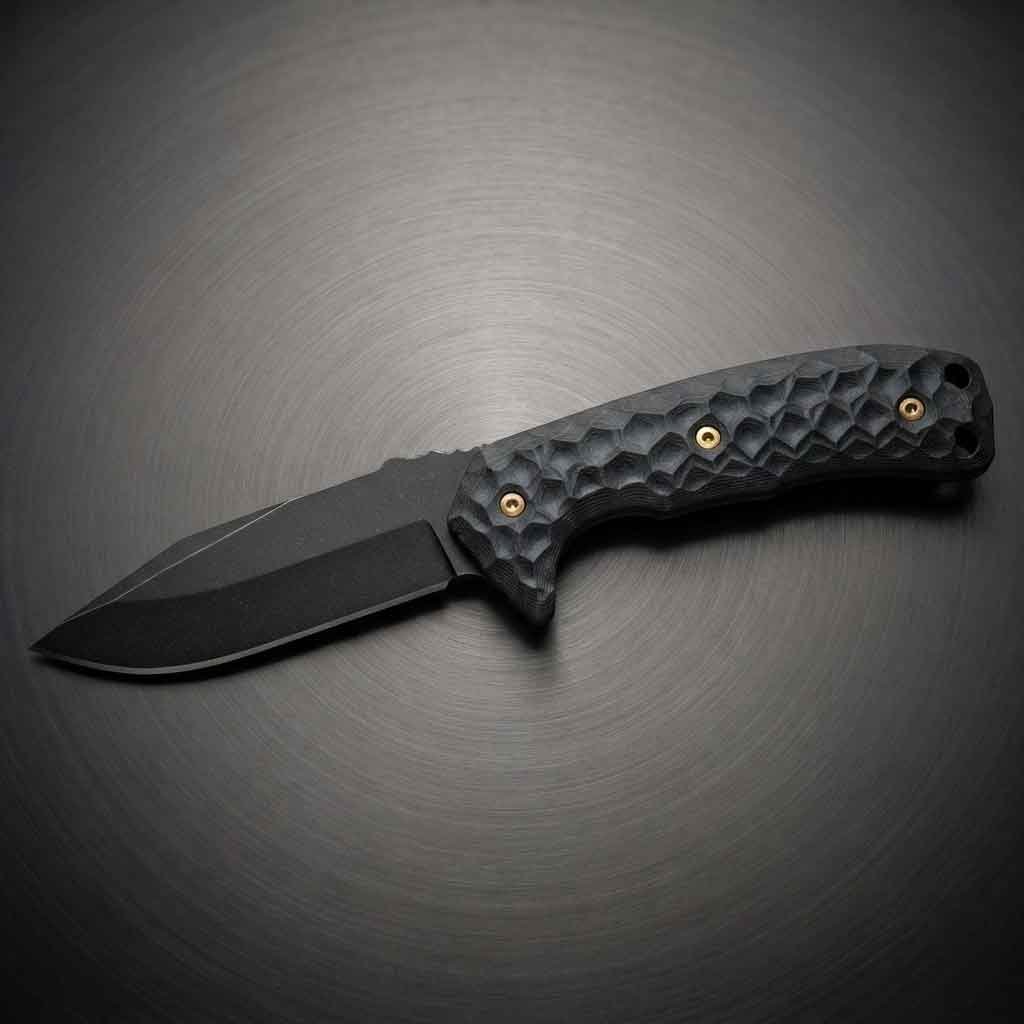
Not all fixed blades are built for the same mission. Here’s a rundown of the main categories you’ll run into while shopping.
These are your do-it-all outdoor knives. Built for fire starting, feather sticks, shelter building, and general wilderness survival tasks. A solid bushcraft knife usually has a 4 to 6-inch blade with a full flat or Scandi grind, making it easy to carve and control.
Designed with military applications and self-defense in mind. Tactical fixed blades often feature a tanto or drop point blade, textured G-10 or Micarta handles for grip security, and a sheath built for quick access. Many law enforcement and Special Forces veterans favor this style for its no-nonsense reliability.
Purpose-built for field dressing and skinning game. These blades usually have a curved edge for controlled, precise cuts, making the messy work of processing an animal a lot less messy.
Yes, fixed blades work for everyday carry too. Compact EDC fixed blades, often 2 to 4 inches, are designed for discreet carry, whether that’s a neck knife, a boot knife, or a small blade riding inside the waistband. American Knife Depot carries a solid lineup of EDC fixed blades if you’re after something compact but dependable.
Small, lightweight blades worn on a cord around the neck. They’re a popular concealed-carry option and also double as a great backup blade.
Slim, compact fixed blades designed to slide into a boot sheath. Historically popular in military and outdoor circles, they remain a smart backup option today.
Larger blades meant for camp chores: cutting rope, prepping food, splitting kindling. Not flashy, just useful.
When you need to clear brush or process heavier material, a machete-style fixed blade does the heavy lifting that a smaller knife simply can’t.
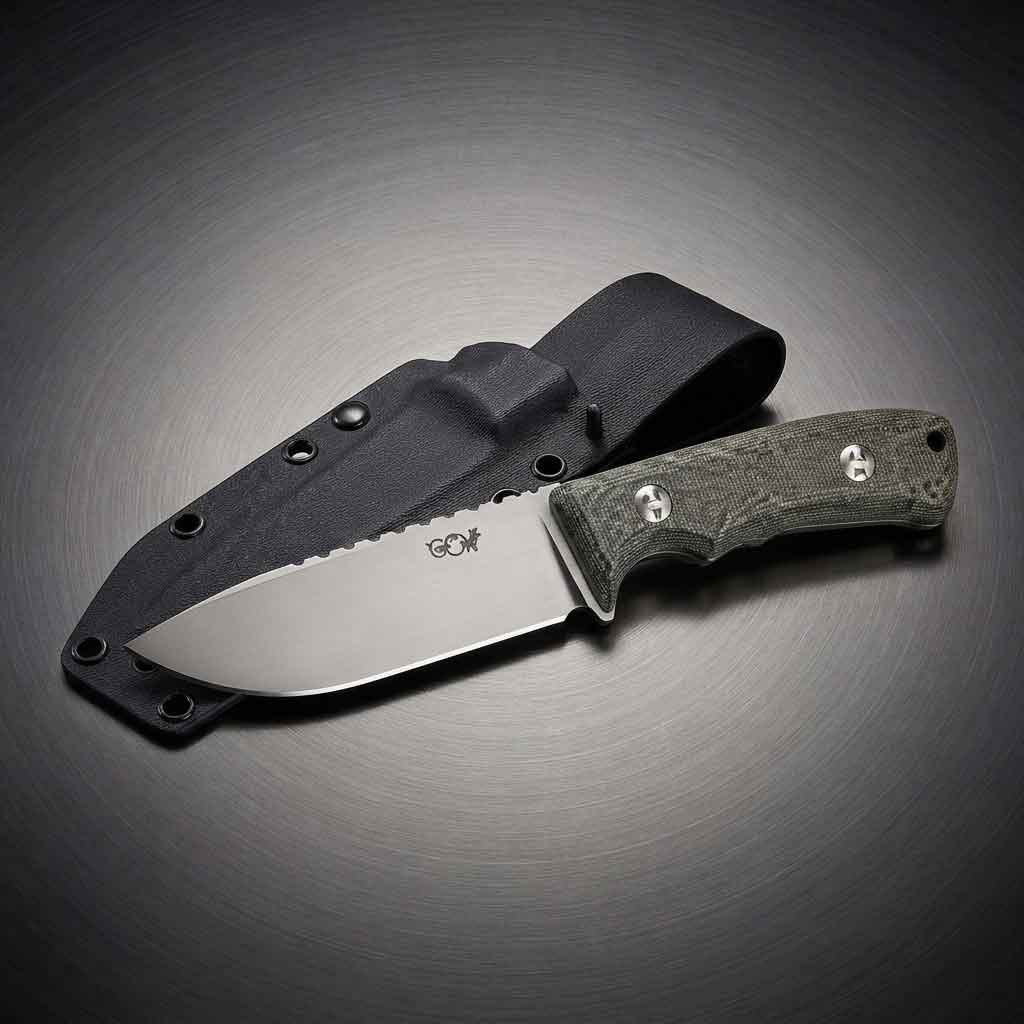
The shape of the blade determines what it’s good at. Here’s a quick breakdown.
The grind is the shape of the blade’s cross-section, and it affects how the knife cuts.
| Grind Type | Best For |
| Flat grind | All-purpose cutting, easy to sharpen |
| Hollow grind | Razor-sharp edge, ideal for slicing |
| Scandi grind | Bushcraft, wood carving, easy field sharpening |
| Convex grind | Chopping strength, edge durability |
If you’re mostly carving feather sticks and doing fine woodwork, a Scandi grind is hard to beat. If you’re chopping through thick branches, convex grinds hold up better over time.
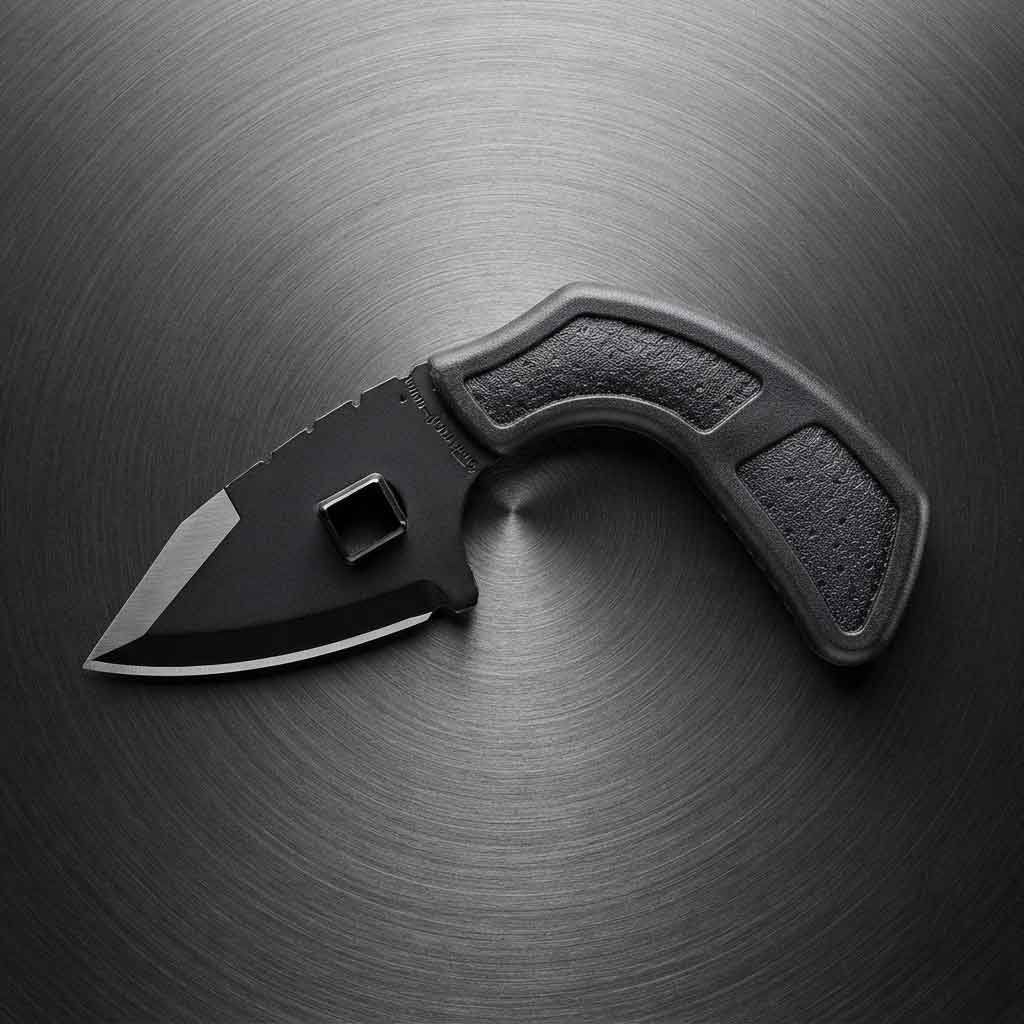
This is where many buyers get overwhelmed. Here’s the short version: steel choice comes down to a trade-off between edge retention, corrosion resistance, and toughness. No steel maxes out all three.
Carbon steel sharpens easily and holds a wickedly sharp edge, but it rusts if you don’t take care of it. Stainless steel resists corrosion much better, though it can be tougher to bring back to a razor edge in the field.
Heat treatment matters just as much as the type of steel itself. A mediocre steel with excellent heat treatment often outperforms a premium steel that’s been poorly treated. This is one reason why buying from established brands like Ka-Bar, Gerber, and Bradford Knives pays off. They’ve spent decades refining their heat treatment process, and it shows in how the blade performs after months of hard use.
“The steel gets all the attention, but heat treatment is what actually determines how a blade performs.” That’s a lesson every serious knife user learns eventually, usually after a cheap blade rolls its edge on the first hard use.
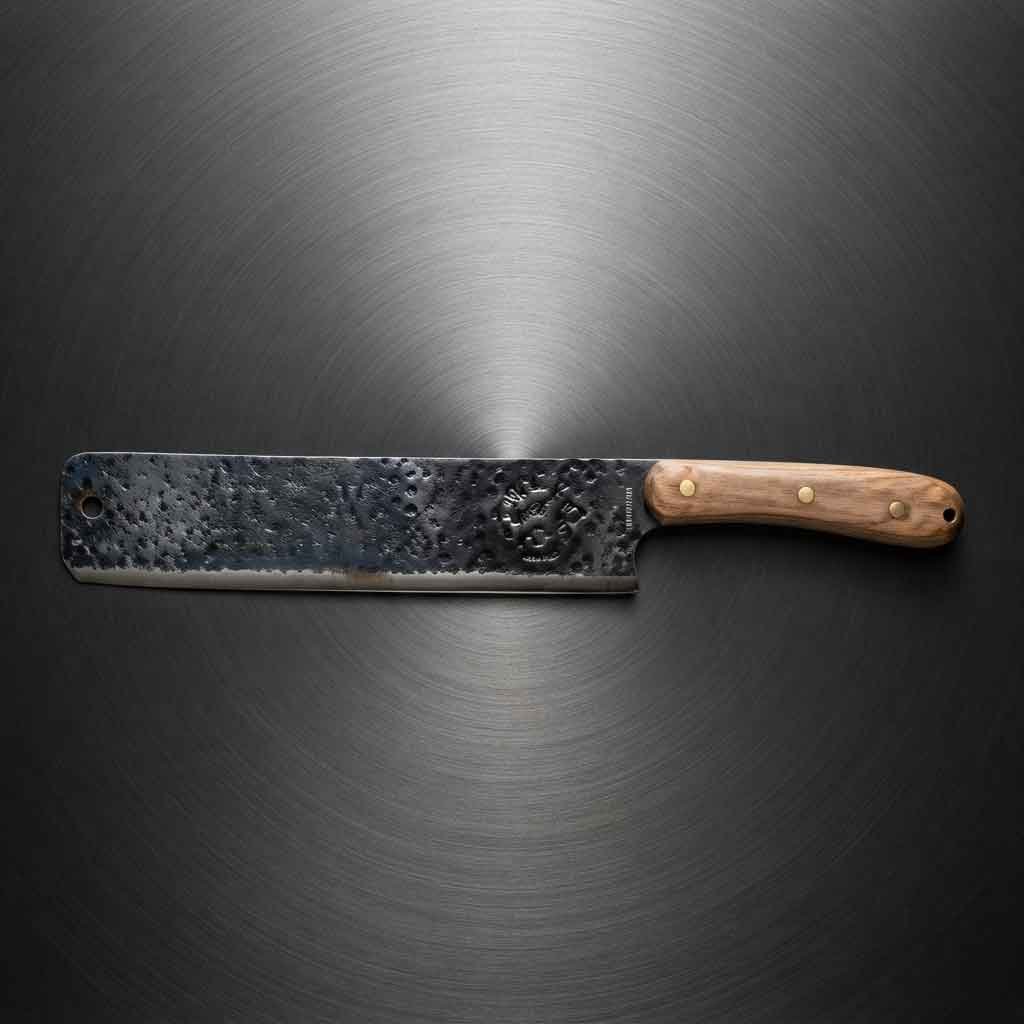
A great blade with a bad handle is still a bad knife. Handle material affects grip security, comfort, and the knife’s feel after hours of use.
If you’re working in wet conditions, whether that’s rain, sweat, or blood from field dressing, Micarta and G-10 handles hold their grip far better than untreated wood.
The tang is the portion of the blade steel that extends into the handle. This single detail affects the knife’s overall strength more than almost anything else.
For hard outdoor use, always lean toward full tang construction. It’s the difference between a knife that survives years of abuse and one that snaps at the handle during a stressful moment.
A knife is only as good as the sheath that carries it.
Kydex sheaths are rigid and weatherproof, offering excellent retention with an audible click when the blade seats. Leather sheaths look classic and mold to the blade over time, though they need occasional conditioning to resist moisture damage.
Your carry style should match your use case. A hunter working a treestand needs different access than someone carrying for everyday backup protection.
Ask yourself what you’ll actually be doing with the knife before you buy. Here’s a quick framework:
Budget matters too. You don’t need to spend a fortune to get a reliable knife, but cheap steel and poor heat treatment will let you down exactly when you need the blade most.
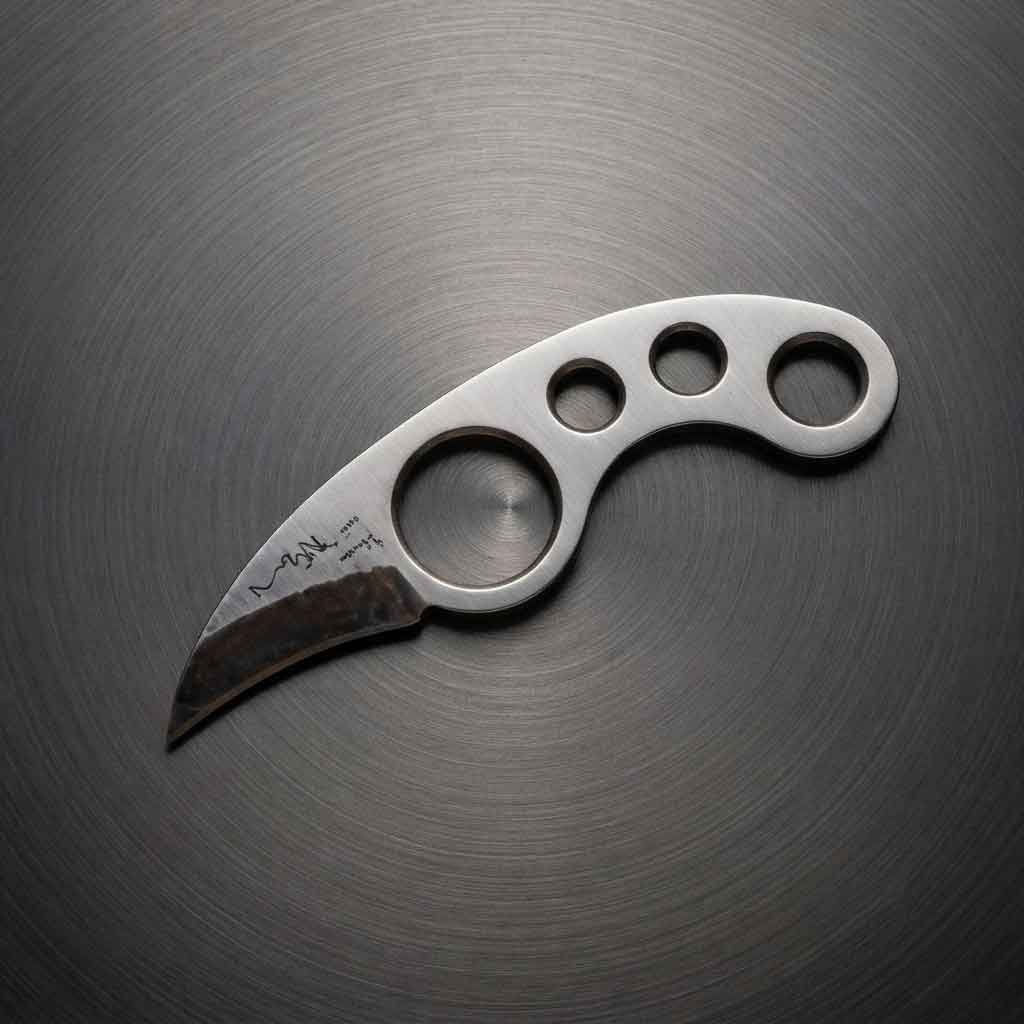
American Knife Depot stocks fixed blades from the brands that knife enthusiasts and professionals trust most:
Each brand brings something different to the table, whether that’s rugged reliability, sharp value, or premium craftsmanship.
Taking care of your knife extends its life and keeps it performing when you need it. A few habits go a long way.
A knife that’s cared for properly will easily outlast one that’s tossed in a drawer wet and forgotten.
Is a fixed blade knife legal to carry?
Laws vary significantly by state and even by city, covering blade length, concealment, and intent. Always check your local regulations before carrying a fixed blade knife in public.
What’s the best steel for a survival knife?
It depends on your priorities. Carbon steel offers superior edge retention and easy sharpening. Stainless steel offers better corrosion resistance for wet environments. Both work well when paired with quality heat treatment.
Can a fixed blade knife be used for EDC?
Absolutely. Compact fixed blades in the 2 to 4-inch range work well for everyday carry, especially as neck knives or boot knives for backup use. Fixed-blade vs. folding for self-defense: which is better? Fixed blades offer more reliability since there’s no lock to fail under stress. Folders offer more discreet, convenient carry. Many self-defense experts recommend a fixed blade specifically because it eliminates lock failure as a variable.
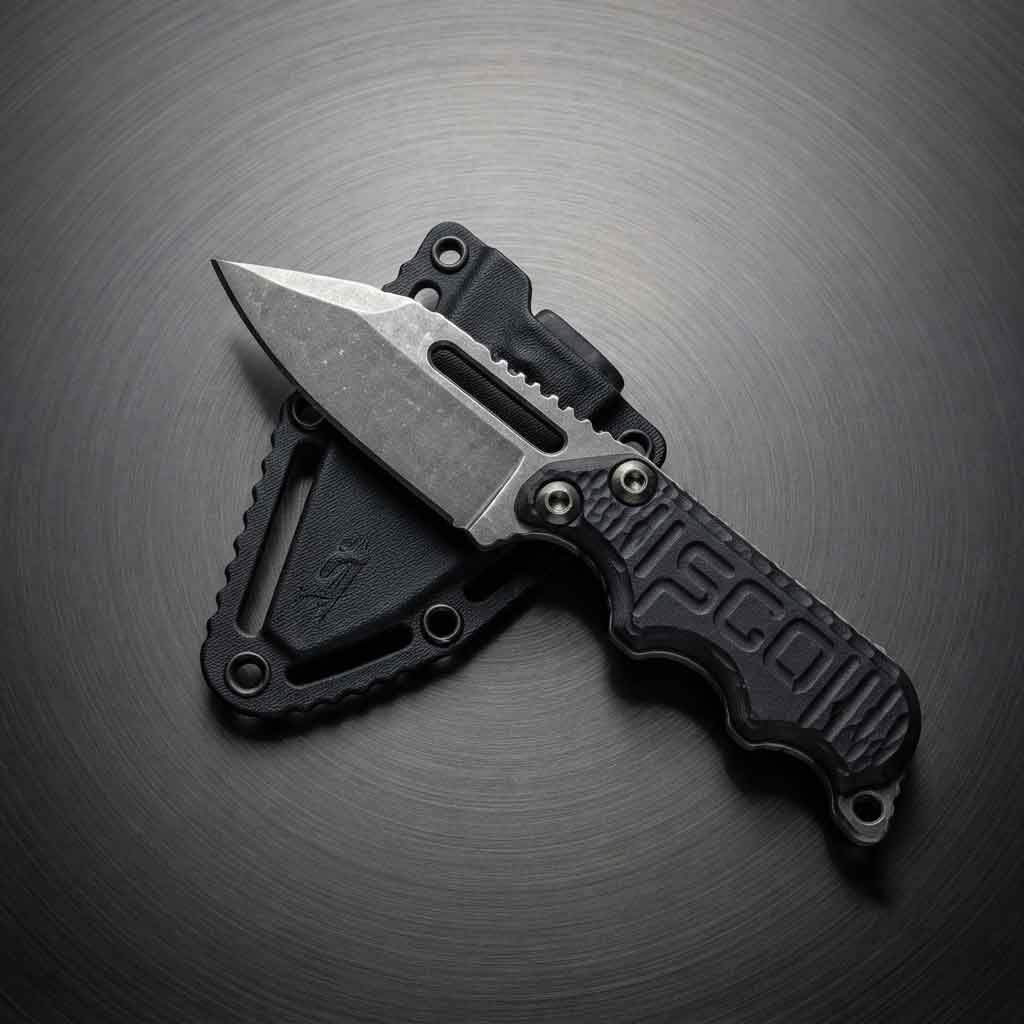
Choosing the right fixed-blade knife comes down to matching the blade type, steel, and construction to what you actually plan to do with it. Whether you need a rugged bushcraft companion, a dependable hunting knife, or a tactical fixed blade you can trust in a high-stress moment, the fundamentals covered here will steer you toward a smart purchase.
American Knife Depot carries thousands of fixed blade knives from trusted names like Ka-Bar, Gerber, Kershaw, Civivi, Zero Tolerance, and Bradford Knives, backed by a 4.8-star rating from more than 13,700 verified customers. Browse the full fixed blade knife collection at American Knife Depot and find the blade built for your next adventure.
Still not sure which knife fits your needs? Reach out to the American Knife Depot team for personalized recommendations, and take advantage of free shipping on orders over $300—sharp gear, real value, built for those who demand the best.
MagnaMax is a notable new knife steel that has been
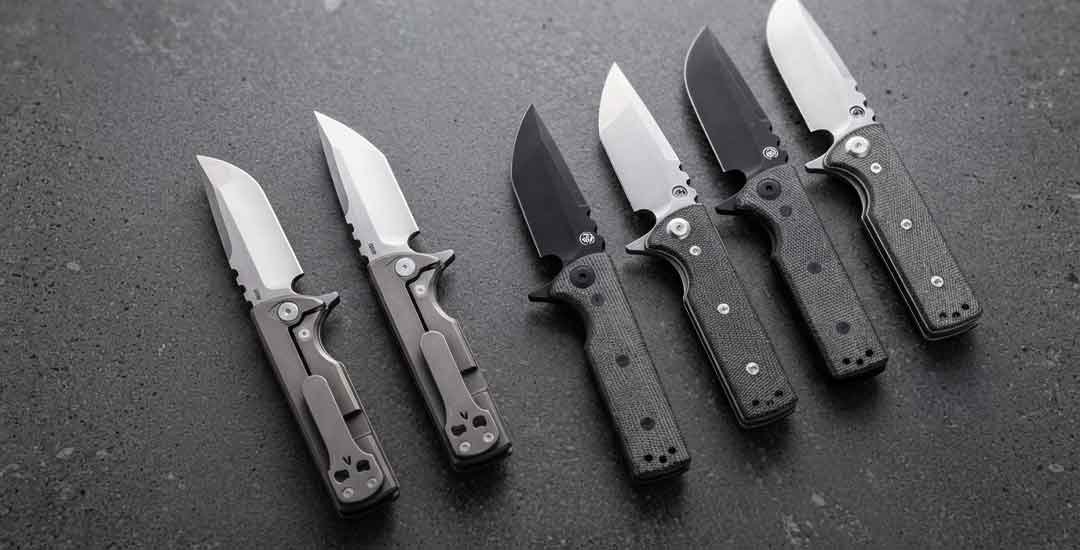
The history of Chaves Knives begins with one maker, basic
![Rated: 15 Best OTF Knives of 2026 [By Category]](https://americanknifedepot.com/wp-content/uploads/2026/09/Featured-Image-7.jpg)
Finding the best OTF knife is less about chasing the
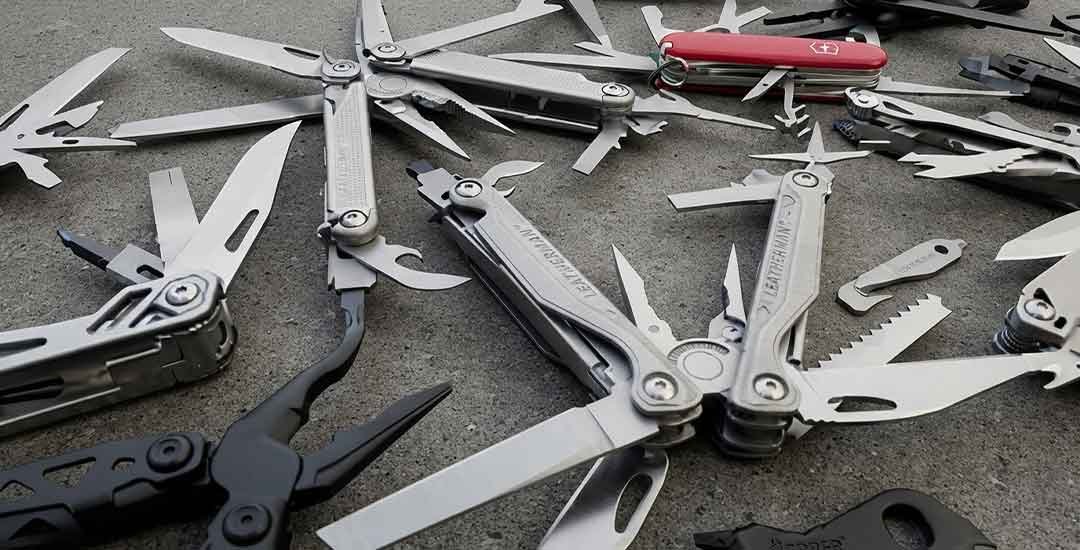
The Leatherman ARC multitool promises premium materials, 20 tools, and
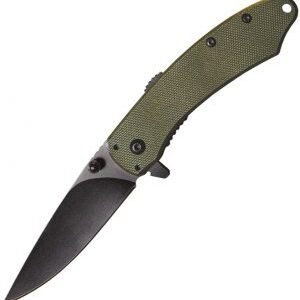
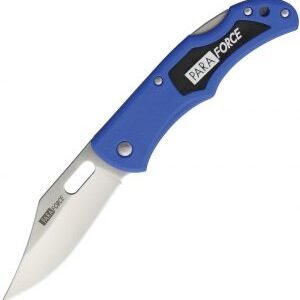















Civivi nails everyday carry. Smooth action, perfect balance, and clean design. Easily one of the best EDC knives I’ve owned at this price point.