
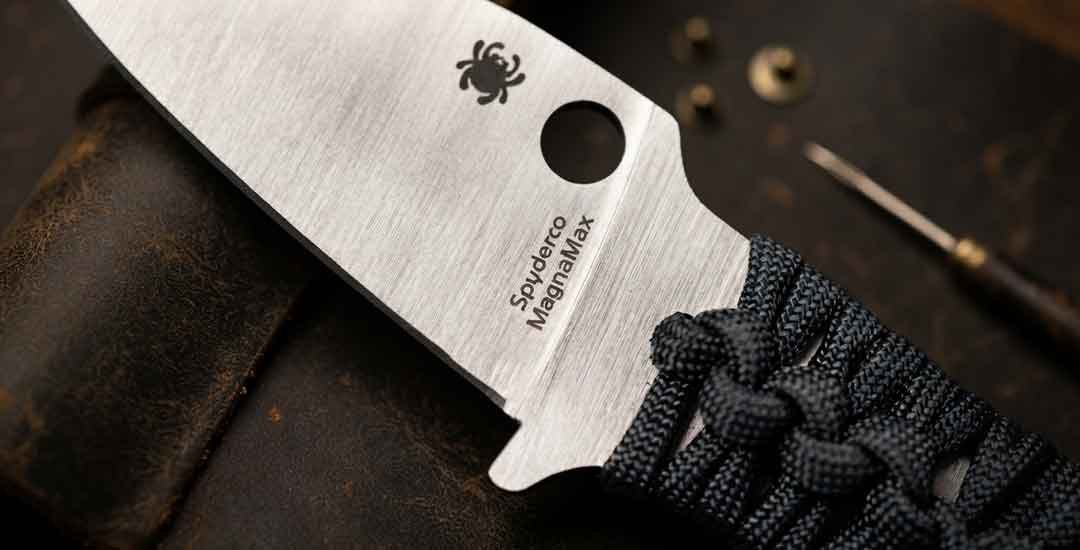
MagnaMax Steel – Everything You Need to Know
MagnaMax is a notable new knife steel that has been

Not every pocket knife earns a spot in your pocket. Some just cut. Others feel like a tool built by someone who actually cared. That’s the line separating a $30 gas station blade from a true high-end pocket knife, and once you handle one, you’ll feel the difference in about three seconds.
This guide breaks down what “high-end” really means, which brands earn the title, and how to pick a knife that’ll outlast your car. No fluff. Just the facts you need before you spend real money on a folder.
Here’s the honest answer: price alone doesn’t make a knife special. A $350 folder can disappoint you just as easily as a $40 one, if it’s built wrong.
A genuine high-end pocket knife checks several boxes at once. It uses premium blade steel that holds an edge through hard use. Its handle scales fit together with zero wobble. The lock engages with a confident snap, not a mushy click. And the whole thing feels intentional in your hand, like every millimeter got argued over in a design meeting.
Most collectors draw the line at $250 to $300 as the entry point for “high end,” with true flagship and custom folding knives running well past $1,000. That’s not an arbitrary number, either. It reflects the jump in materials, machining tolerances, and hand-finishing that separates factory-stamped blades from precision-milled ones.
Quick gut check: if a knife opens smoothly with zero blade play, holds its edge after cutting cardboard for an hour, and still looks sharp after a year of pocket carry, you’re likely holding a high-end pocket knife.
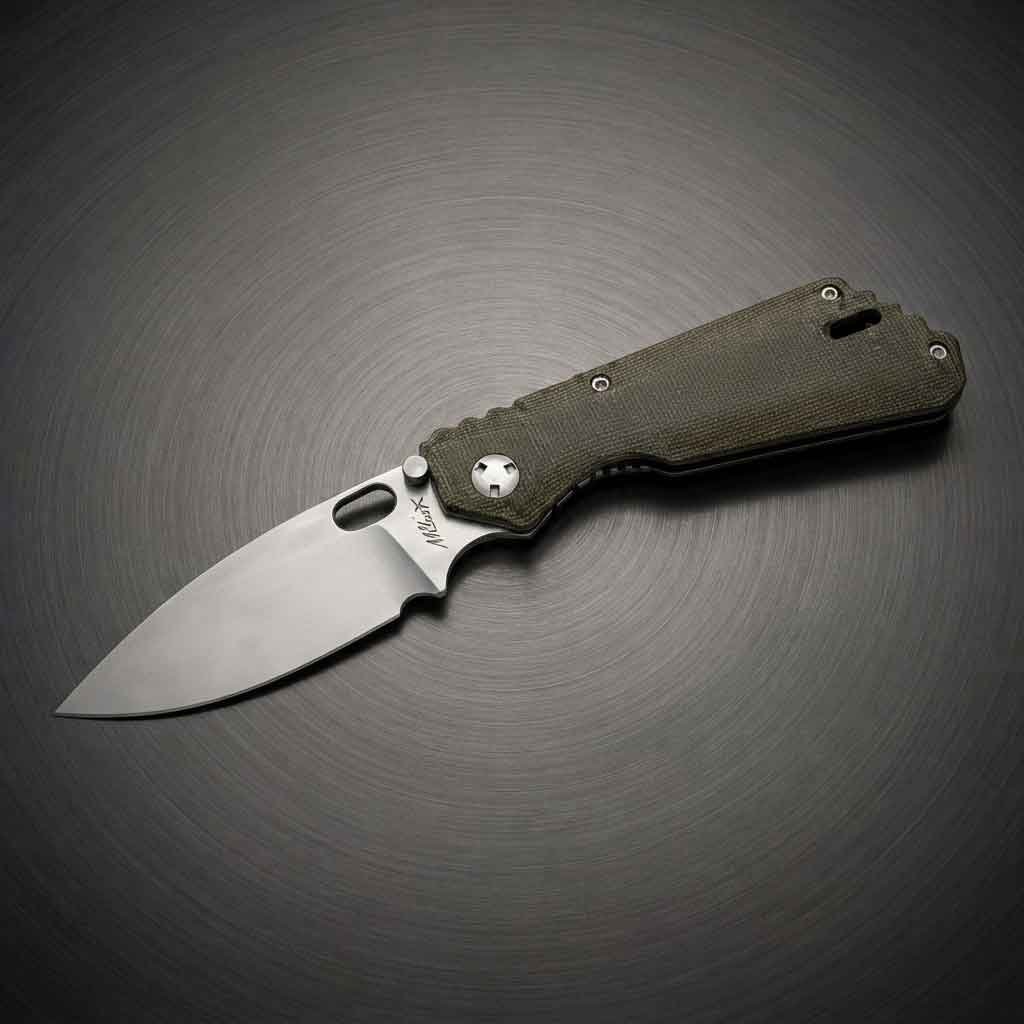
Walk into any serious knife collection, and you’ll notice the same handful of traits recurring. Here’s what actually separates premium pocket knives from the rest of the pack.
Steel is where the money goes. Premium folders rely on high-performance steels such as CPM-S30V, CPM-S90V, M390, or 20CV, formulated for superior edge retention, corrosion resistance, and toughness under stress.
Compare that to a budget 8Cr13MoV blade, which dulls faster and needs more frequent sharpening. You’ll notice the gap the first time you break down a few cardboard boxes.
| Steel Type | Edge Retention | Corrosion Resistance | Typical Price Tier |
| 8Cr13MoV | Fair | Good | Budget |
| VG-10 | Good | Very Good | Mid-Range |
| CPM-S35VN | Excellent | Very Good | High End |
| M390 / 20CV | Outstanding | Excellent | High End / Premium |
| CPM-S90V | Outstanding | Good | Premium |
High-end handles usually come in titanium, carbon fiber, or G10, sometimes blended for grip and weight balance. Titanium resists corrosion and shrugs off dings. Carbon fiber sheds weight while looking sharp in the light. G10, a fiberglass laminate, gives you grip texture that won’t quit, even with wet hands.
You won’t find flimsy nylon or brittle zinc handles on a proper premium pocket knife. That’s a budget-knife signature, full stop.
A high-end pocket knife needs to lock up tight, every single time. The most common systems include:
Whichever system a knife uses, it should engage with zero play and disengage smoothly with one hand. If a lock rattles or the blade wiggles side to side, that’s a dealbreaker.
This is where CNC precision earns its keep. Run your thumb along the edges of a premium folder, and you shouldn’t feel a single sharp corner or misaligned seam. Everything should line up as if it were carved from a single block.
Whether it’s a flipper, thumb stud, or button-activated automatic, premium folders open with a smooth, confident motion. No grinding. No hesitation. Just a clean, satisfying “snap” into place.
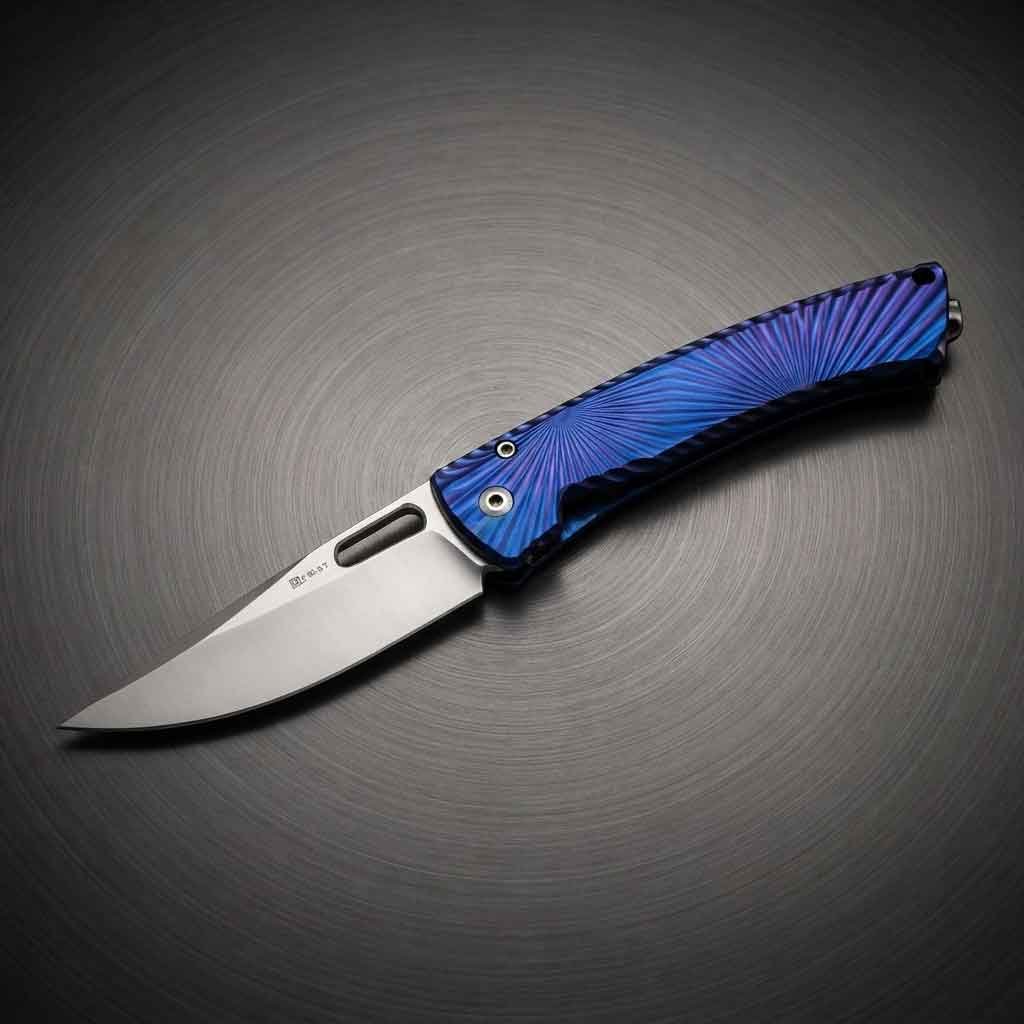
Plenty of manufacturers claim the “premium” label. Fewer actually back it up with consistent quality across generations. Here are the top folding knife brands worth your attention if you want genuinely high-performance knives, not just a fancy price tag.
Zero Tolerance built its reputation on knives that feel like they could survive a small apocalypse. Thick blade stock, premium steels, and a reputation for hard-use reliability make ZT a go-to name among collectors who actually use their knives, not just admire them on a shelf.
Civivi proves you don’t need a four-figure price tag to get genuine high-end pocket knife performance. Their folders often feature premium steels, titanium framelocks, and tight tolerances, all while staying under that traditional $300 ceiling. For collectors looking to step into the premium tier without draining a paycheck, Civivi’s lineup punches well above its price class.
Bradford built a name on precision machining and a design philosophy that treats every knife like a working tool first. Their fit and finish rival those of brands charging twice as much, and the American manufacturing pedigree matters to many collectors specifically chasing USA-made pocket knives.
Kershaw’s higher-tier releases bring genuine innovation to the table, from advanced steel options to refined ergonomics. They’ve spent decades perfecting the balance between everyday carry practicality and premium build quality.
Ka-Bar earned its stripes through military contracts and decades of proven reliability. Their premium folders carry that same battle-tested DNA, built for people who need a knife that simply will not quit.
“A knife is only as good as its weakest part. High-end brands don’t have a weakest part; that’s the whole point.”
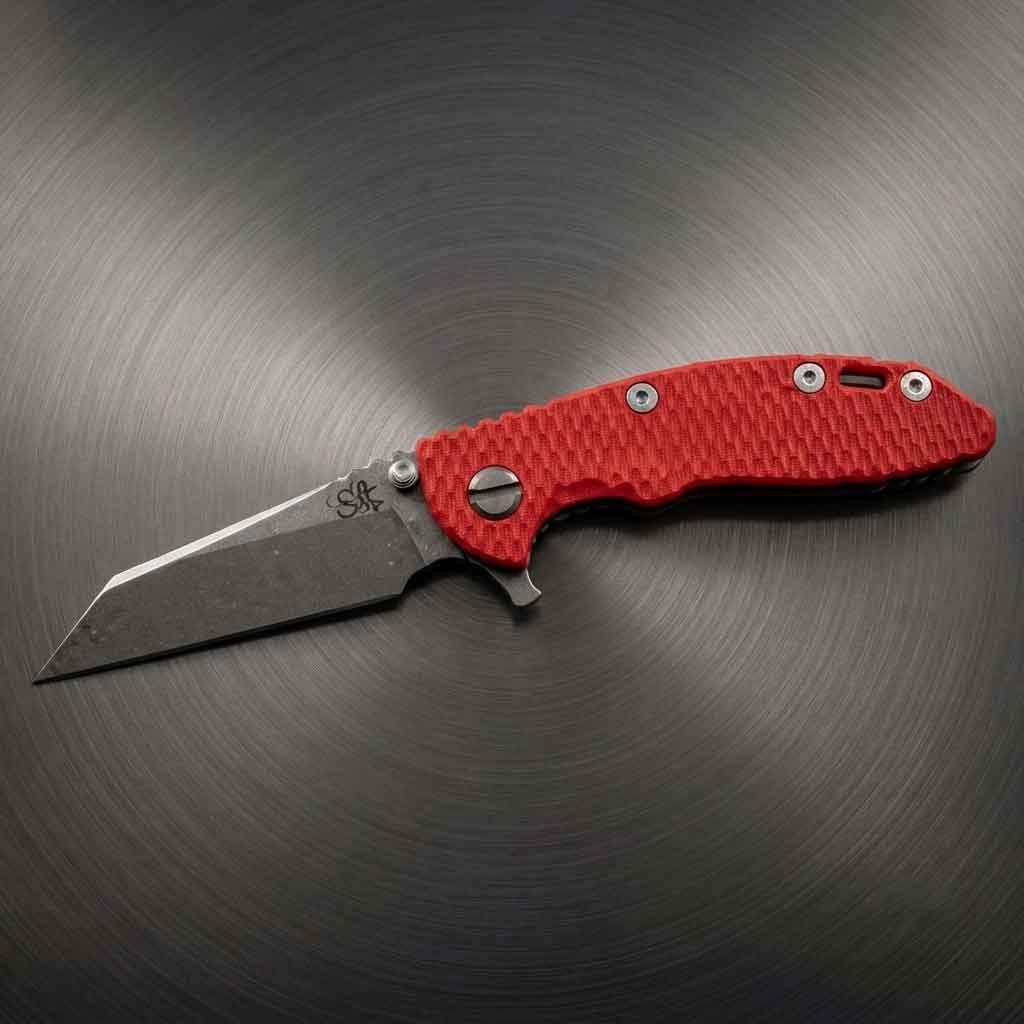
Not every buyer wants the same thing from a premium folder. Here’s how to think about it by use case.
For daily carry, you want something compact, fast to deploy, and comfortable in the hand for hours at a time. Look for blade lengths between 2.75 and 3.5 inches, a secure pocket clip, and a lock you trust without thinking twice.
Tactical-oriented folders prioritize grip security, rapid deployment, and blade geometry built for utility under stress. Thicker blade stock and aggressive jimping (those grip grooves on the spine) are common in this category, along with some of the sharpest pocket-knife edges you’ll find on a factory folder.
These lean elegantly. Think slim profiles, polished bolsters, and premium materials like carbon fiber or mother-of-pearl. A gentleman’s pocket knife should look at home on a boardroom table just as easily as in your pocket, and it doubles as a great travel knife for anyone who wants understated style over tactical bulk.
American manufacturing carries weight with many collectors, both for its quality control and for its support of domestic craftsmanship. Brands like Bradford and select premium lines from Zero Tolerance and Ka-Bar fall into this category.
If you’re building a shortlist, these picks represent some of the strongest options across price points and use cases heading into the new year. Think of this as a starting point, not a ranking set in stone, since the “best” knife always depends on how you plan to carry it.
These aren’t the only names worth your attention, but they’re a solid jumping-off point if you’re narrowing down your first (or fifth) high-end pocket knife purchase.
Premium folders aren’t a one-look category. Design language varies widely depending on the maker and the intended use, and it’s worth knowing the differences before you shop.
None of these styles is objectively “better.” It comes down to matching the design to how you’ll actually carry and use the knife day to day.
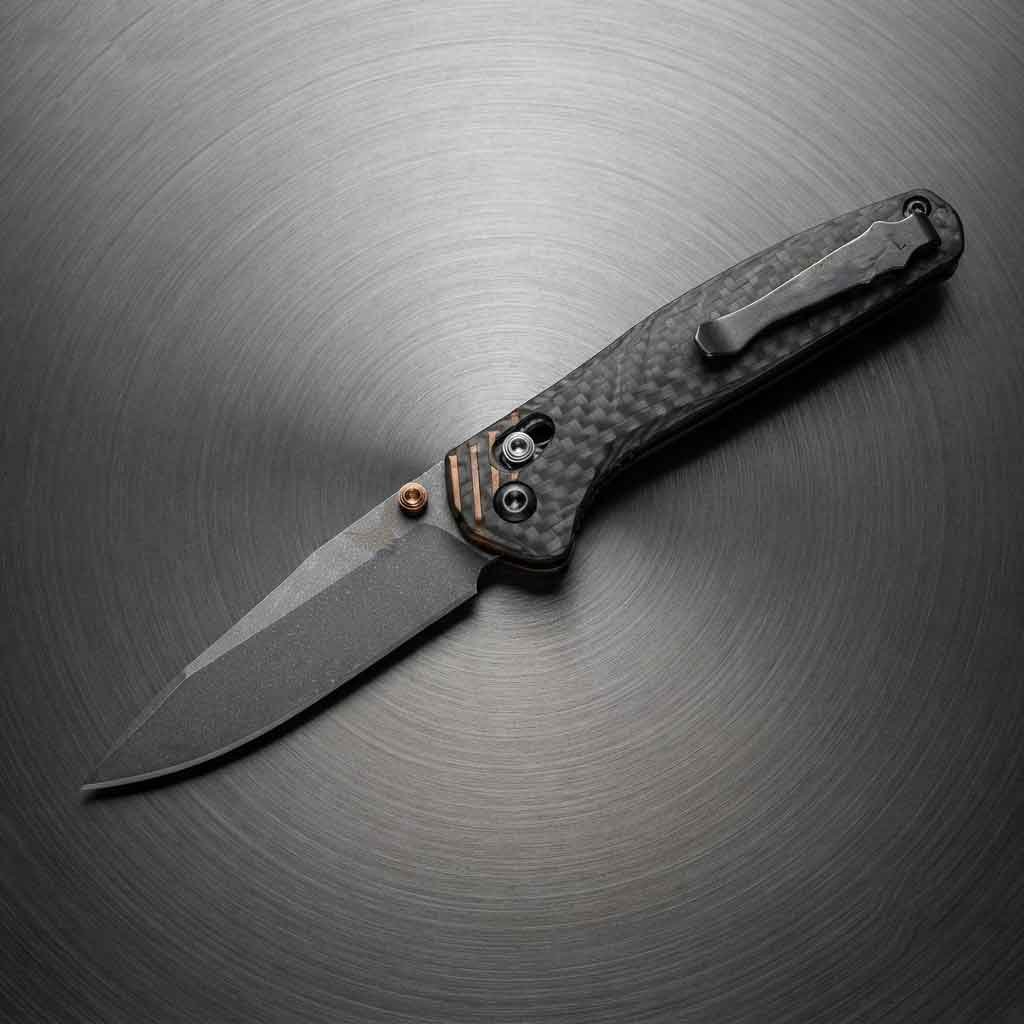
Steel choice affects everything: how long your edge lasts, how easy the blade is to sharpen, and how well it resists rust in humid conditions. Here’s a quick breakdown of what matters.
Buying a premium folder isn’t a one-size-fits-all decision. A few honest questions will steer you toward the right pick.
Are you carrying this knife daily and putting it to work, or is it going in a display case? Hard-use knives need thicker stock and tougher steel. Collector pieces can prioritize aesthetics and rare materials since they won’t see heavy wear.
High-end pocket knives generally range from $250 to $ 1,000 or more. Here’s a rough breakdown:
| Price Range | What You Get |
| $250–$400 | Premium steel, titanium, or G10 handles, excellent fit and finish |
| $400–$700 | Flagship materials, refined details, and well-known maker collaborations |
| $700–$1,000+ | Limited runs, exotic materials, top-tier machining, and hand-finishing |
Most everyday carry knives have a blade length between 2.75 and 3.75 inches. Anything longer starts running into legal restrictions in some states, so check your local laws before you buy. Are High-End Pocket Knives Worth It?
This question comes up constantly, and it deserves a straight answer instead of a sales pitch.
A premium pocket knife isn’t strictly necessary. A $50 knife will still cut rope, open boxes, and slice an apple just fine. But high-end pocket knives offer something a budget blade can’t: consistency, longevity, and craftsmanship you feel every time you open it.
Think of it like buying a quality watch instead of a plastic one from a drugstore. Both tell time. Only one feels like it was made by people who take pride in their work. You’re paying for steel that holds an edge longer, tolerances that mean zero blade wobble years down the road, and materials that resist wear rather than degrading quickly.
There’s also collectibility to consider. Many premium and handmade pocket knives hold their value well, and some limited or award-winning releases even appreciate over time, something you won’t find with a $20 impulse buy at a hardware store checkout. Serious collectors sometimes chase down a specific “grail knife,” a piece considered the top of a maker’s lineup, precisely because that scarcity and craftsmanship rarely come cheap twice.
Bottom line: if you carry a knife daily and put it through real work, the upgrade pays for itself. If you just need something for the occasional package, a mid-range option probably serves you just fine.
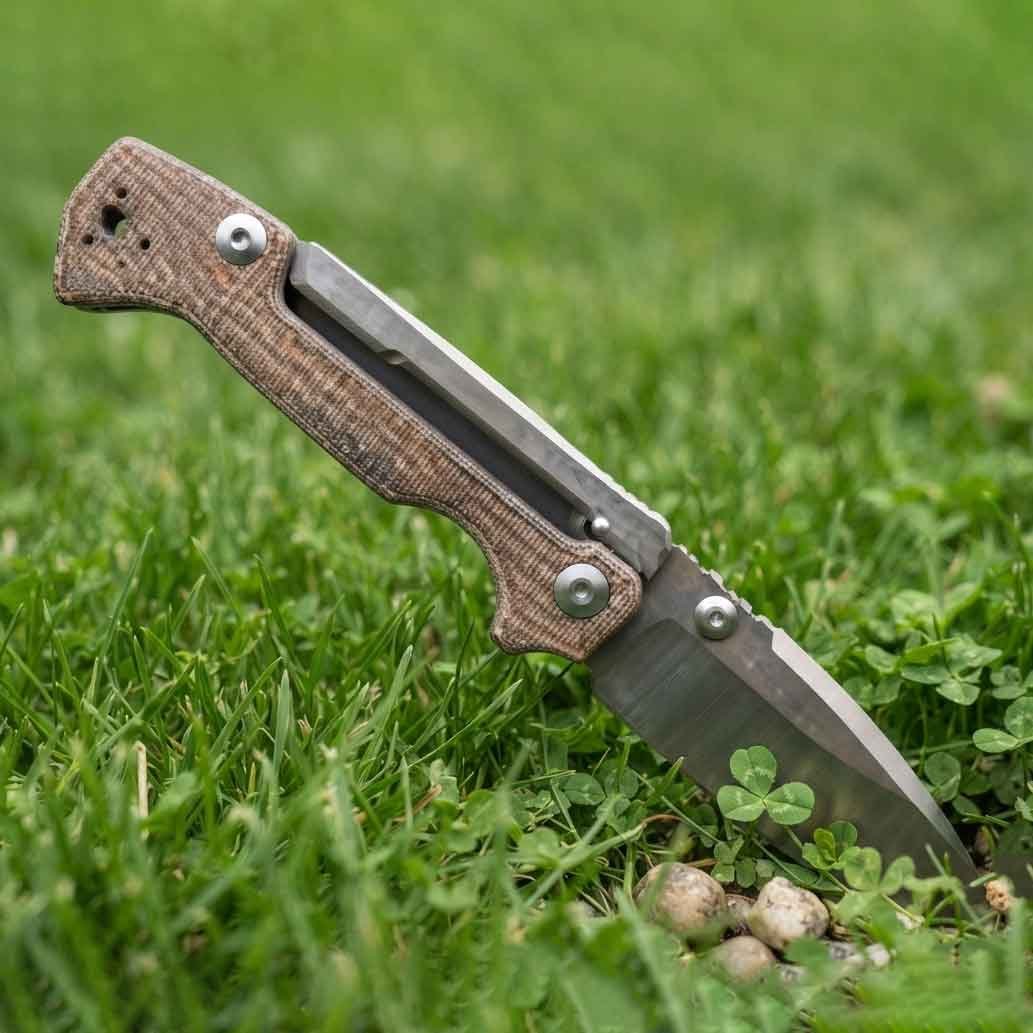
A premium folder rewards a little maintenance with decades of reliable service.
Treat your knife right, and it’ll outlast most other things in your pocket, your keys included.
Most collectors set the threshold around $250 to $300, with premium steel, titanium, or G10 handles, and tight machining tolerances as the defining features.
Zero Tolerance, Civivi, Bradford Knives, Kershaw, and Ka-Bar all consistently deliver premium quality, though the “best” pick depends on your specific use case and budget.
For daily users who put their knife through real work, yes. The upgrade in steel quality, build precision, and longevity pays off over the years of use.
CPM-S30V, S35VN, S90V, and M390 all rank among the top performers for edge retention and corrosion resistance in premium folders.
Blade stock thickness and handle material drive that difference. A heavy-duty pocket knife typically runs thicker steel and full-metal construction, while lighter EDC-focused folders trim weight with skeletonized liners or carbon fiber scales.
Handmade and custom folding knives often carry collector-grade value beyond raw performance, since limited production runs and hand-finishing add scarcity to quality. If you’re after a grail-tier piece for a collection rather than daily carry, that premium makes sense.
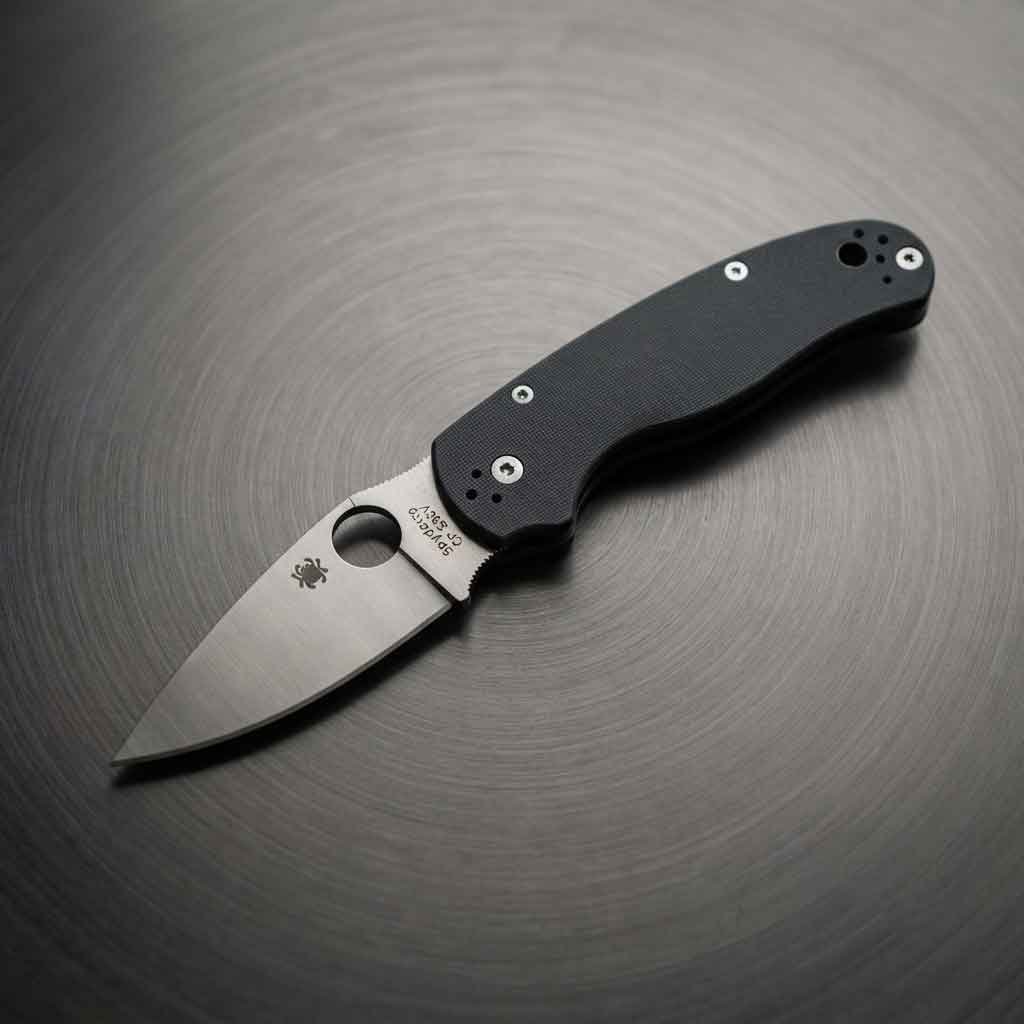
At the end of the day, a high-end pocket knife is an investment in something you’ll carry every single day for years. American Knife Depot makes that investment easier, with a curated lineup of trusted brands like Zero Tolerance, Civivi, Kershaw, Ka-Bar, and Bradford Knives, all backed by a 4.8-star rating from over 13,700 verified customers.
Whether you’re building your first premium collection or adding another flagship piece to an established one, American Knife Depot delivers the selection, pricing, and trust to back up every purchase.
Ready to upgrade your everyday carry? Shop the full collection of high-end pocket knives at American Knife Depot today, with free shipping on orders over $300.
Still deciding which knife fits your needs? Explore American Knife Depot’s premium knife categories and find the folder that matches exactly how you carry.
MagnaMax is a notable new knife steel that has been
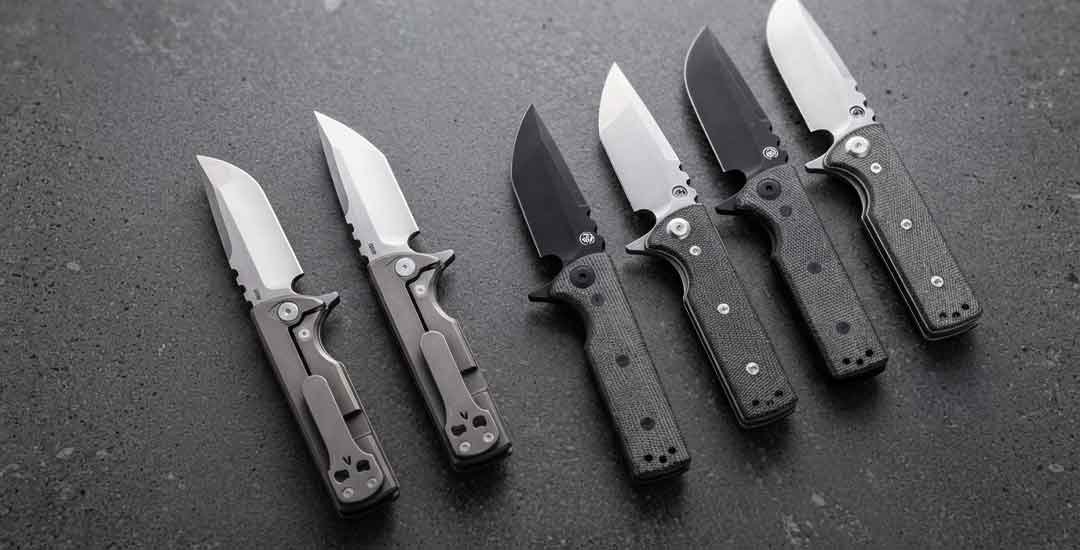
The history of Chaves Knives begins with one maker, basic
![Rated: 15 Best OTF Knives of 2026 [By Category]](https://americanknifedepot.com/wp-content/uploads/2026/09/Featured-Image-7.jpg)
Finding the best OTF knife is less about chasing the
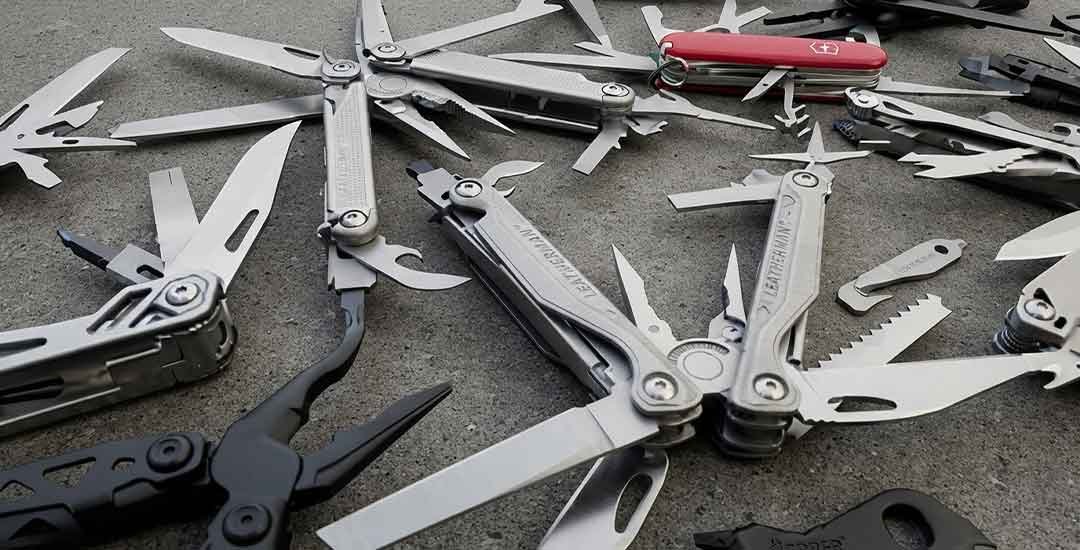
The Leatherman ARC multitool promises premium materials, 20 tools, and

















Civivi nails everyday carry. Smooth action, perfect balance, and clean design. Easily one of the best EDC knives I’ve owned at this price point.