
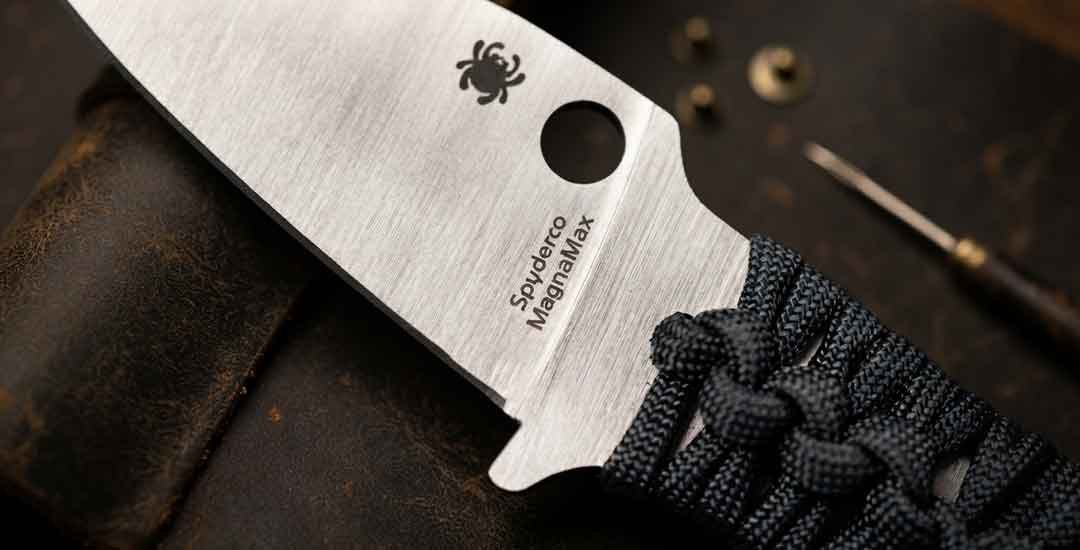
MagnaMax Steel – Everything You Need to Know
MagnaMax is a notable new knife steel that has been

Picking the right survival knife matters. It’s not like grabbing any old blade off a shelf. This is the one tool you don’t want to get wrong. Not when you’re miles from the trailhead. Not when you’re facing a real emergency.
A good survival knife does it all. It handles batoning, feather sticks, food prep, and rough field tasks. It won’t let you down. A bad one snaps. It dulls fast. It slips right out of your hand when you need it most.
This guide covers what matters most: blade steel, handle design, sheath type, and which knives earn their keep outdoors. New to bushcraft? Or years on the trail? Either way, you’ll find real answers here. No fluff. No filler specs. Just what separates a great outdoor knife from a bad one, and how to spot the best knife on the market for your specific needs.
Not everyone needs the same knife. A weekend camper and a backcountry hunter have very different demands. Here’s who typically reaches for one, and why:
If any of these describe you, the rest of this guide will help you land on the right blade.
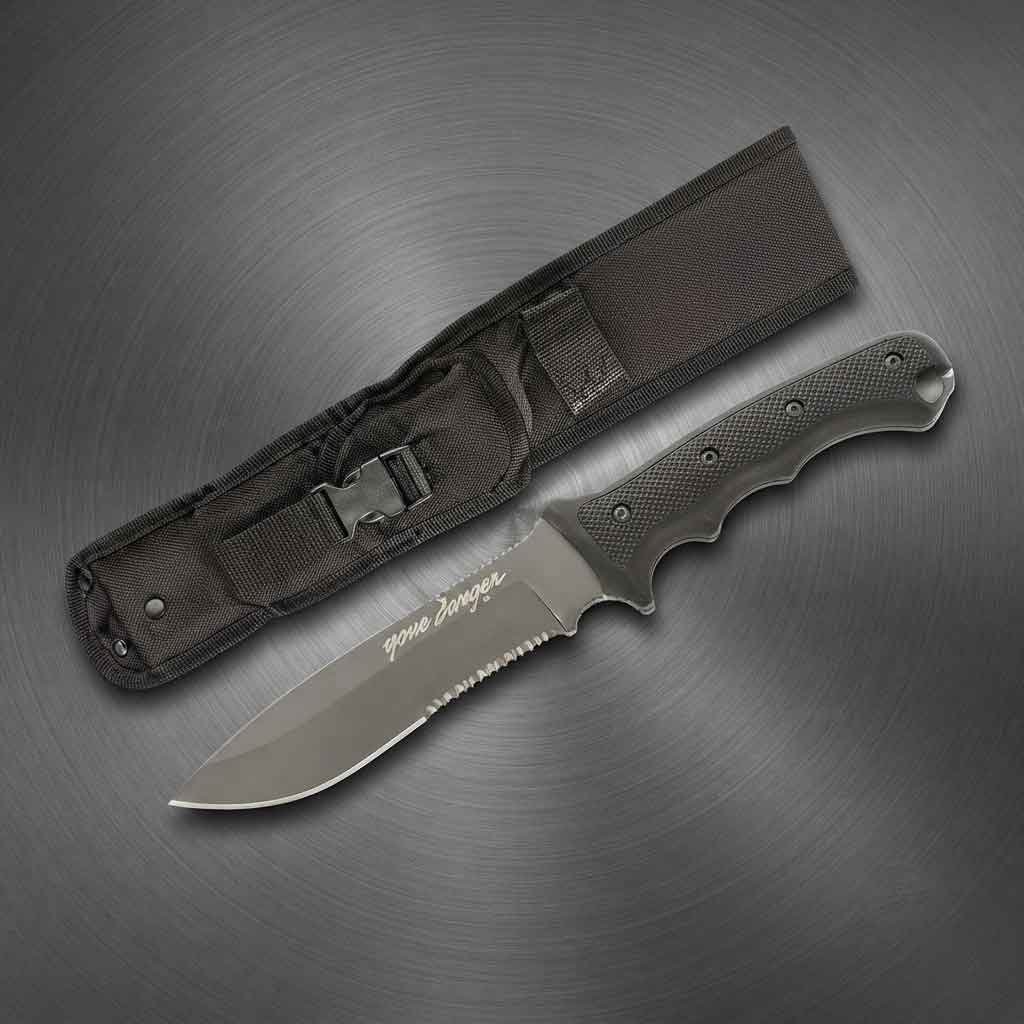
Here’s a quick look at top survival knives by category. Each one does something different. Match the pick to your actual needs, not the hype.
| Category | Best For | Blade Length | Steel Type | Price Range |
| Best Overall | All-around field use | 4.5–5 in | 1095 High Carbon | $$ |
| Best Budget Survival Knife | Cost-conscious buyers | 4–5 in | 8Cr13MoV Stainless | $ |
| Best Bushcraft Knife | Wood processing, carving | 4 in | Scandi-ground Carbon | $$ |
| Best Fixed Blade Survival Knife | Heavy-duty tasks | 5–6 in | 1095/D2 | $$$ |
| Best Folding Survival Knife | Compact carry | 3.5–4 in | S35VN | $$ |
| Best Backpacking Knife | Ultralight trips | 3–4 in | 12C27 Sandvik | $ |
| Best American-Made Survival Knife | US craftsmanship | 5–6 in | 1095 Carbon | $$$ |
| Best Neck Knife | Backup or minimalist EDC | 2–3 in | 1095/440C | $ |
| Best Rescue Knife | Emergency and first-response use | 3.5–4 in | 440C Stainless | $$ |
Prices run roughly as follows: $ under $50, $$ $50–$100, $$$ $100–$200.
Not every fixed blade earns the “survival” label. A true survival knife handles many jobs. It chops kindling. It skins game. It carves a shelter stake. It cuts cordage. It’s built for a range of use first.
A full tang build is a must. That means the steel runs the whole length of the handle. It doesn’t stop partway through. Full tang knives resist snapping under pressure. That matters a lot when you’re batoning through a log.
Here’s a quick gut-check: can the knife baton wood? Can it dress game? Does it still hold an edge after a weekend trip? If not, it’s not a true survival knife. It just looks the part.
Most outdoor knives on the market claim to be “survival ready.” Don’t take that label at face value. Check the tang. Check the steel. Check the grind. Those three things tell you far more than any label on the box.
Look for a 4.5- to 5-inch drop-point blade. Go with 1095 high carbon steel. This steel sharpens fast in the field. It holds up under heavy batoning without chipping. Pair it with a full-tang build and a simple, textured handle. That combo won’t quit on you.
Ka-Bar built its name on this exact formula. It’s one of the brand’s American Knife Depot stocks heavily, and for good reason. Their fixed blade survival knives balance weight, strength, and edge hold better than most other brands.
You don’t need to spend $200 for a solid blade. Budget survival knives in the $3- $50 range often use 8Cr13MoV stainless steel. This steel resists corrosion well. It holds a decent edge, too. It’s a smart pick for casual campers who don’t need to do heavy-duty chopping daily.
The tradeoff? These blades need more frequent sharpening. That’s a fair trade if you’re just starting and want an affordable survival knife without cutting corners on safety.
Camping calls for a knife that handles food prep, tent stakes, and firewood. It shouldn’t weigh down your pack, either. A 4-inch fixed blade with a drop point shape covers almost everything a weekend campsite throws at you. This is the best camping knife style for most first-time buyers.
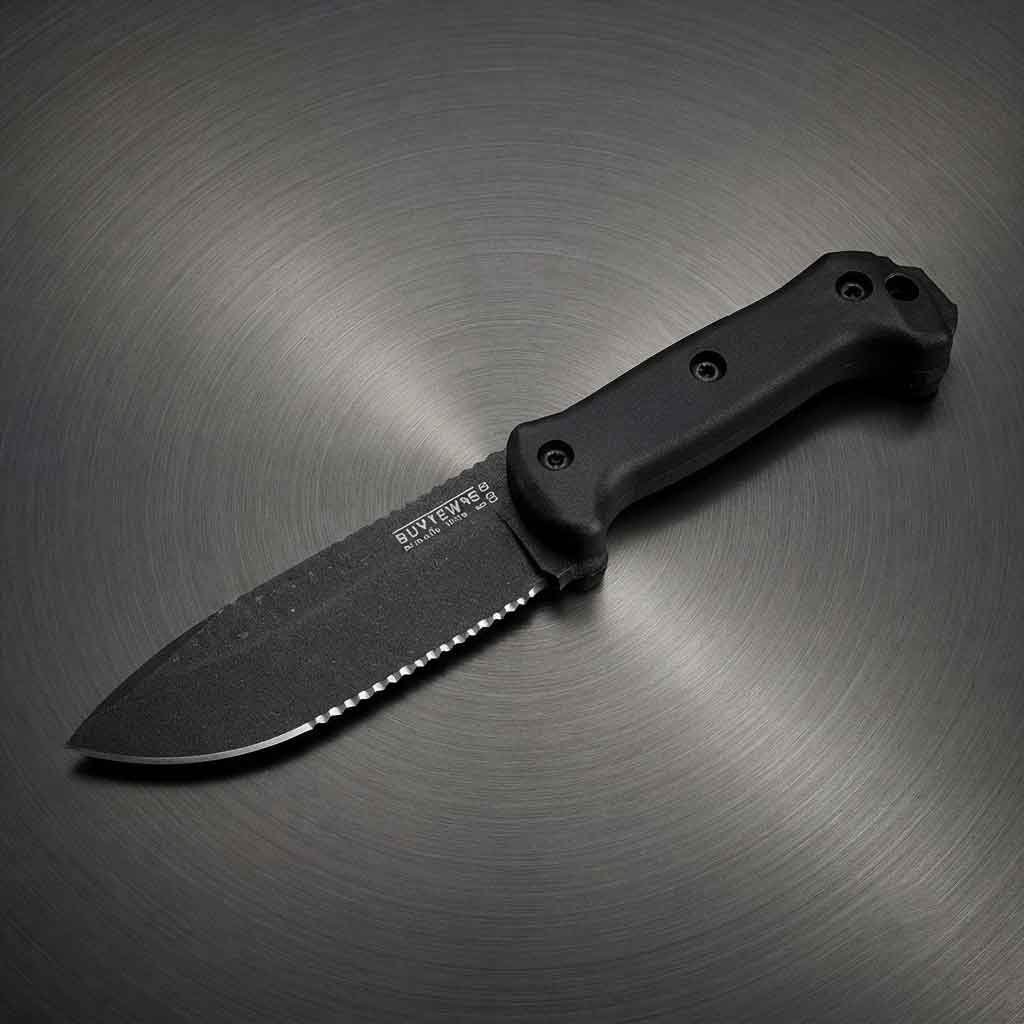
Bushcraft work rewards a Scandi grind. Think carving, notching, and feather-stick making. This flat-ground edge is easy to sharpen. All you need is a flat stone. That matters when you’re far from a sharpening kit. A 4-inch carbon steel blade with a Scandi grind is the gold standard here, and it’s a favorite among top-rated bushcraft knives for good reason.
Durability tops the list? Fixed blade survival knives beat folders every time. No pivot point means no weak spot. Go with a 5 to 6-inch blade in D2 or 1095 steel. Make sure it’s full tang. Pair it with a Kydex sheath. That setup handles the toughest field tasks: batoning, chopping, and prying.
Not every trip needs a full-size fixed blade. A folding survival knife in S35VN steel gives you a compact, pocket-friendly option for daily carry. It still cuts well, too. It won’t replace a fixed blade for heavy chopping. But for EDC and light trips, it’s hard to beat. A quality survival pocket knife also makes a smart backup for a larger fixed-blade knife.
Weight matters most here. Go lightweight. A 3 to 4-inch blade in Sandvik 12C27 steel keeps your pack light. It stays reliable, too. Backpackers rarely need a big chopper. They need a solid field knife for quick, repeat tasks. The same logic applies if you’re after the best hiking knife for day trips. You want something light enough to forget it’s on your belt.
Tactical survival knives borrow design cues from combat blades. Think partial serrations for cutting straps. Think a pommel for striking. Think a grippy, weather-resistant handle. These knives trade some bushcraft range of use for rugged, mission-ready strength. Look for models built to the same standard as top-rated military knives: full tang, coated blades, and a sheath that won’t rattle loose during movement.
A combat survival knife shares DNA with tactical models but leans harder into close-quarters use. Expect a stronger point for piercing, an aggressive grip texture, and a blade profile built for speed. These aren’t the first choice for bushcraft, but they earn their spot in a dedicated defense or duty kit.
Rescue knives prioritize speed over size. A 3.5 to 4-inch blade with a blunt tip and a built-in strap cutter or glass breaker covers most emergency scenarios. Stainless steel is the right call here, since these knives often sit in a glove box or bag for months without maintenance.
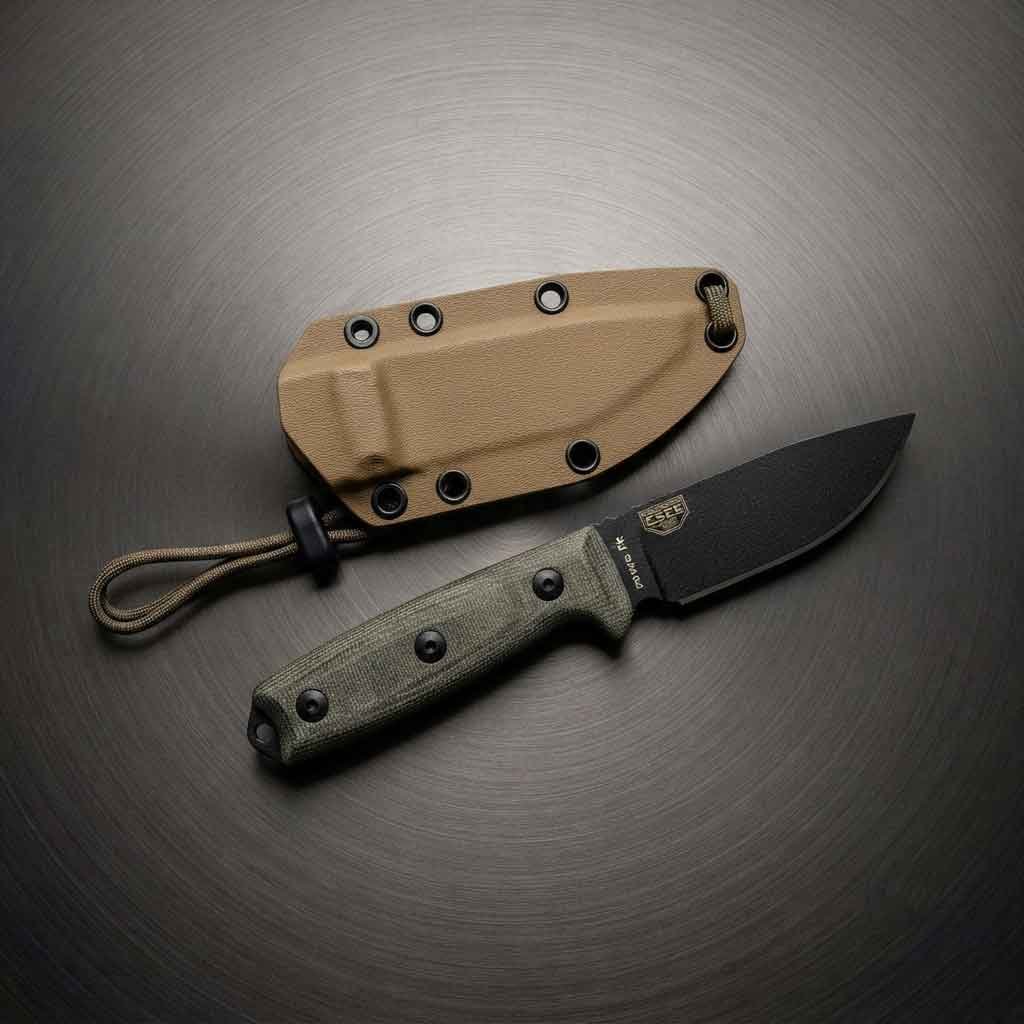
Want US-made work? American-made survival knives built from 1095 carbon steel have a strong, battle-tested track record. Brands that manufacture in the USA often back their knives with stronger warranties, too.
Neck knives are small, fixed blade survival knives worn on a cord around your neck or clipped inside a jacket. They’re not built for chopping. They’re built for quick access. A 2 to 3-inch blade in 1095 or 440C steel makes a smart backup to your primary knife, and it’s a favorite among minimalist backpackers who skip a belt sheath entirely.
Some survival knives ship with a built-in ferro rod slot in the sheath or pommel. A survival knife with survival-kit features like this one saves pack space, though the fire steel is usually a secondary tool compared to a dedicated ferro rod.
Picking the right blade comes down to a few key factors. Match them to your needs. Don’t just grab the fanciest option in the case.
Most survival knives run 4 to 6 inches long. Smaller blades struggle to chop. Bigger blades get heavy and hard to control for detail work like carving. A 4.5-inch blade hits the sweet spot for most people.
This is the biggest decision you’ll make.
Neither option wins outright. It depends on your climate. It depends on how often you’ll maintain the blade. Humid or coastal areas favor stainless. Dry climates give carbon steel more breathing room before rust sets in.
You’ll also see other types of steel on the market. VG10 and SGPS steel are popular in Japanese-made knives, prized for a fine edge and solid wear resistance. 420J and 1085 carbon steel show up in budget-friendly models, offering decent performance at a lower price. Tool steel, a broader category that includes D2, strikes a balance between toughness and edge stability. Whatever steel alloy you land on, the key numbers to compare are edge retention, blade hardness, and ease of resharpening in the field.
Many carbon steel survival knives ship with a black oxide or Cerakote coating. This adds another layer of rust protection on top of the steel itself. It’s a smart feature if you’re hunting for knives that don’t rust easily, though no coating replaces regular oiling and care.
Stick with a simple, classic blade shape. Drop points and clip points offer the most range of use. Spear point and tanto blades bring strong tip strength for piercing tasks, though they trade off some general utility. Skip recurved blades and heavy serrations on a survival knife. They’re brutal to sharpen in the field. That defeats the whole point of the tool.
The grind matters as much as the shape. A flat grind or saber grind sharpens easily with basic tools. A convex grind holds up well under heavy chopping but takes more skill to resharpen. Whichever grind you pick, look at the spine and swedge too. A thick, unswedged spine gives you a solid platform for batoning, while a plain edge (rather than a partially serrated or double-edged blade) stays the easiest to maintain in the field.
Full tang means the steel runs the entire length of the handle. This gives the knife real strength for batoning and prying. Partial-tang or hidden-tang knives are lighter. But they’re more likely to fail under heavy stress. For a true survival knife, full tang wins. A good full tang knife is worth the extra ounce every single time.
A comfy handle stops blisters. It keeps your grip secure, wet or dry. Look for textured Micarta, G10, or rubberized handles. Skip overly busy designs with too many finger grooves. A simple, contoured handle fits more hands and feels more natural.
Handle scales made from G10 or Micarta resist moisture and stay grippy even when your hands are wet or cold. Wood and synthetic polymer handles both have a place too. Wood feels warmer in cold weather, while polymer handles shrug off moisture without any upkeep. A finger guard near the blade helps prevent your hand from sliding forward during hard use, and a lanyard hole lets you secure the knife to your wrist or pack.
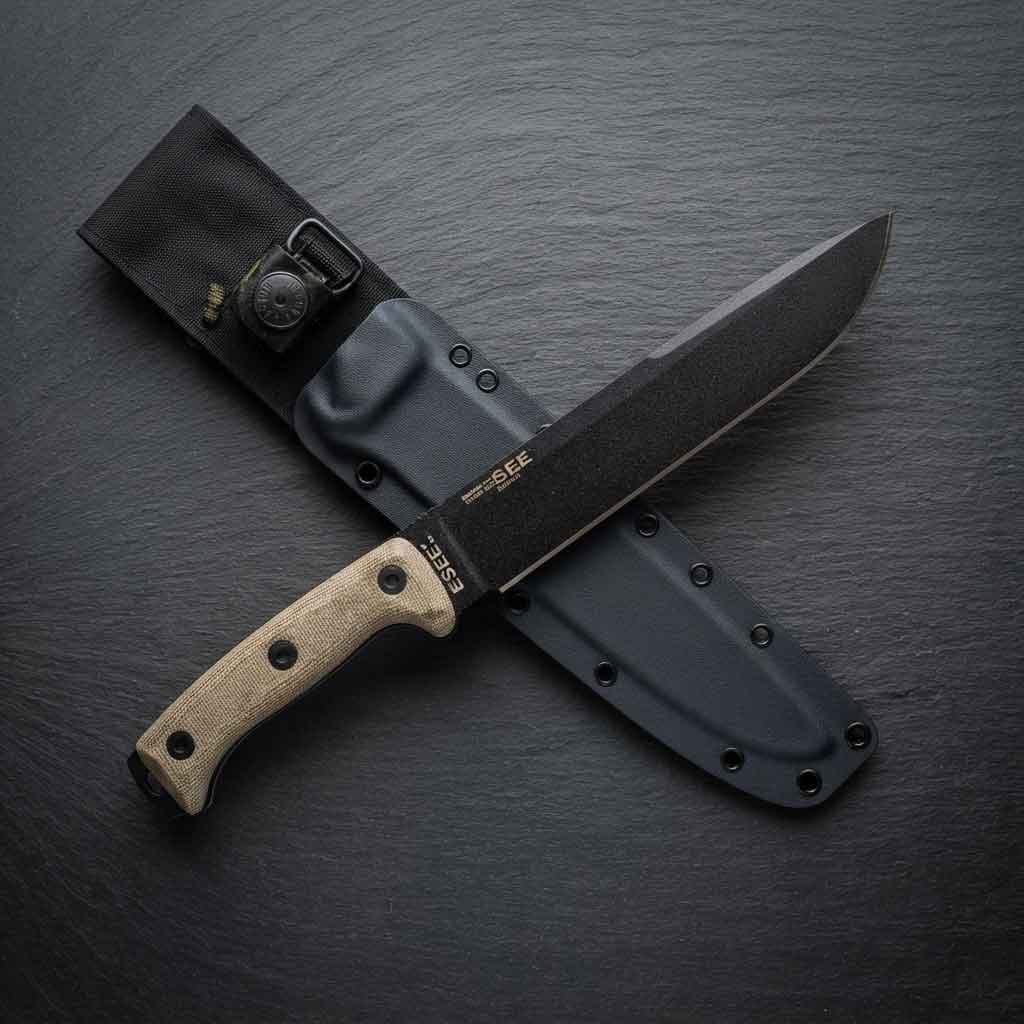
| Sheath Type | Pros | Cons |
| Kydex | Durable, weatherproof, secure fit | Can be noisy against gear |
| Nylon | Lightweight, affordable | Less durable, traps moisture |
| Leather | Classic, comfy belt carry | Can freeze, traps moisture, rusts blade |
Kydex sheaths dominate the survival knife market. They work with MOLLE mounts, Tek-Lok attachments, and scout carry. That’s flexibility most nylon and leather sheaths can’t match.
Carry style matters more than people expect. Horizontal carry keeps the knife flat against your belt, which is comfortable when you’re sitting in a vehicle for long stretches. Vertical carry rides lower and draws faster, which suits hikers and hunters who need quick access. Whichever you choose, check the mounting hardware and sheath retention before you buy. A quick-access sheath that doesn’t hold the knife securely defeats its purpose.
Fixed blades win on strength—every time. No pivot. No lock to fail. No gap for debris to jam things up. Folding knives win on easy daily carry. Can only own one? Make it a fixed blade. Keep a folder as a light backup for EDC tasks.
Not everyone needs the same budget. Here’s how to think about spending based on how often you’ll actually use the knife.
Spending more doesn’t automatically mean better performance. It usually buys better fit, finish, and steel consistency. A well-chosen budget knife will still outperform a neglected premium one.
Go with a Scandi-ground carbon steel blade, around 4 inches. It carves clean. It resharpens fast. It handles feather sticks and notching without a fuss.
A drop point blade around 4 inches with a slight curve makes skinning and field dressing far easier than a straight-edged survival blade. The curve follows the natural motion of your wrist. That means cleaner cuts and less waste. Hunters often carry a smaller blade just for this task, even alongside a larger survival knife.
Stainless steel resists rust better in damp, humid, or freezing conditions. Pair it with a Kydex sheath. Leather traps moisture and can freeze solid.
A tactical fixed blade with a pommel, a grippy texture, and a 5- to 6-inch blade serves as both a defensive tool and a practical field knife. If home defense is the priority, look for a blade that balances speed of access with the same field capability you’d want on a camping trip.
A shorter, corrosion-resistant blade around 3 to 4 inches handles line cutting, bait prep, and light fillet work. Stainless steel is non-negotiable here, since freshwater and saltwater both accelerate rust on carbon blades.
Ranch knives see daily abuse: cutting twine, trimming rope, opening feed bags, and general chores. A tough, easy-to-resharpen blade around 4 to 5 inches with a drop point holds up better than a specialty grind for this kind of repetitive, all-purpose use.
Even the toughest blade needs upkeep. Skip care, and you’ll turn a premium knife into a rusted paperweight fast.
A well-maintained $60 knife will outperform a neglected $200 one. Every time. That’s not opinion. That’s basic metallurgy. Steel doesn’t care what you paid for it. Good care habits take five minutes. They add years to a blade’s life. Skip them, and even the best steel on the market will let you down eventually.
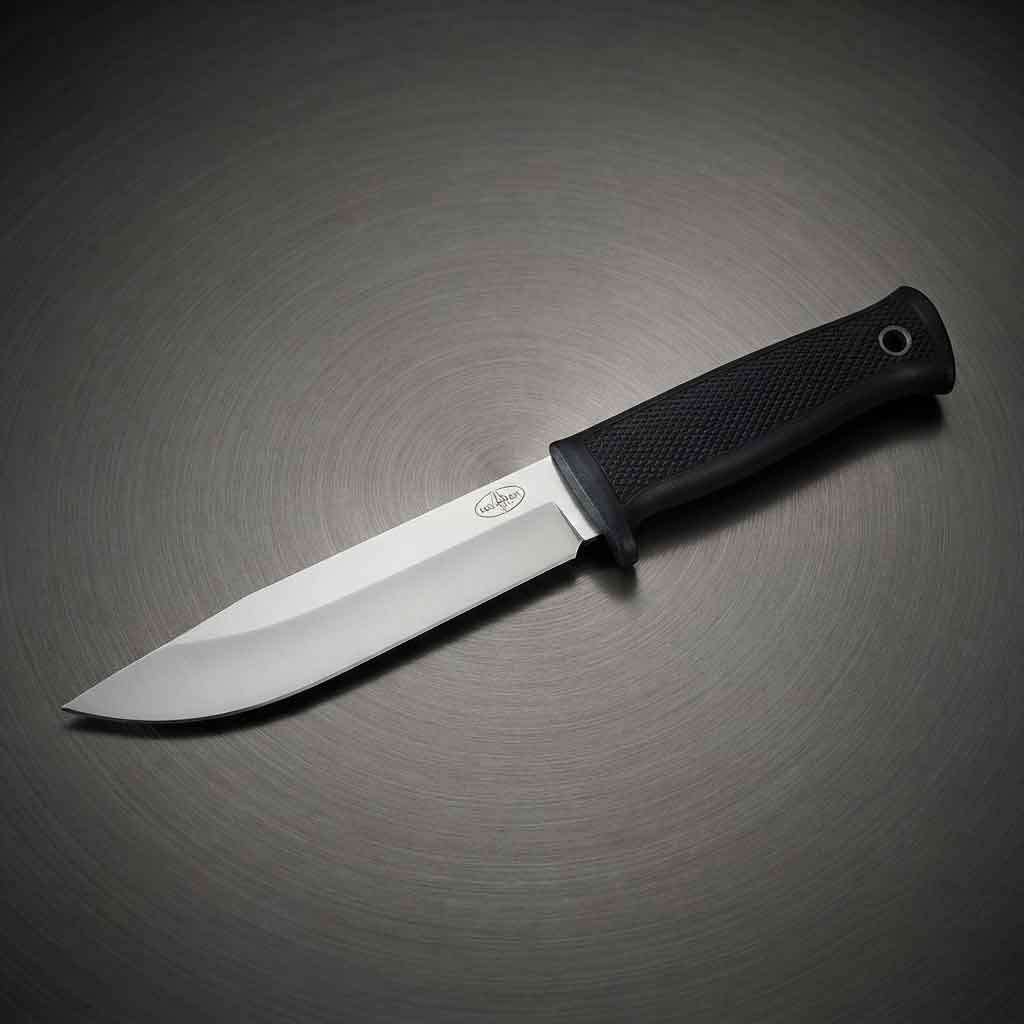
You don’t need a full sharpening kit in your pack. A small ceramic rod or pocket stone handles touch-ups between real sharpening sessions at home. Ten to fifteen light passes per side, alternating, bring most edges back fast. Carbon steel responds especially well to quick field sharpening, which is one more reason bushcrafters lean toward it.
A great knife is the anchor of any kit, but it works best when paired with the right supporting gear. If you’re building out a bug out bag or a truck emergency kit, consider pairing your blade with:
None of these replace a good survival knife. They round it out. A knife handles the tasks that come up every hour. The rest of your kit handles the ones you hope never come up at all.
What is the best all-around survival knife?
A 4.5- to 5-inch full-tang fixed blade in 1095 carbon steel handles the widest range of tasks. Think batoning. Think food prep.
What blade length is ideal for a survival knife?
Most experts say 4 to 6 inches. This range balances chopping power with control for smaller tasks.
Is carbon steel or stainless steel better for survival?
Carbon steel sharpens fast. It holds up well under heavy use. But it rusts easily without care. Stainless resists rust. It takes more work to sharpen in the field, though.
How much should I spend on a survival knife?
A solid survival knife runs $50 to $150. You can find solid budget picks under $50, though they may need sharpening more often.
Fixed blade or folding knife — which is better for survival?
Fixed blades win for heavy field use since there’s no pivot or lock to fail. Folding knives win for everyday carry and convenience. Many people carry both.
Who makes the best survival knife?
No single brand owns this space. Ka-Bar, Gerber, Kershaw, and Zero Tolerance all build knives that consistently perform well in the field, and each brings a slightly different strength to the table.
What makes a good survival knife?
Full tang construction, a simple blade shape, dependable steel, and a secure sheath. Everything else is a bonus, not a requirement.
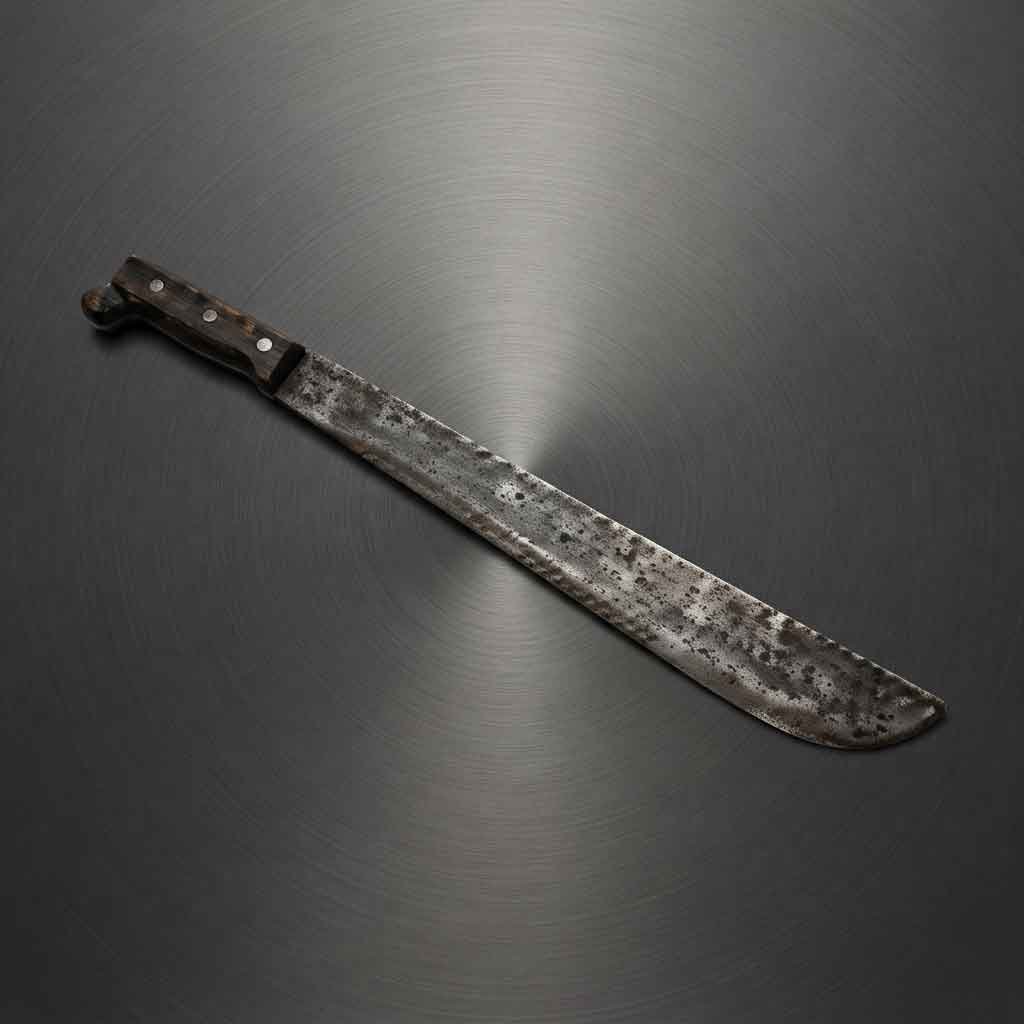
The best survival knife isn’t the one with the fanciest marketing. It’s the one that fits your environment, your skill level, and the tasks you’ll face outdoors. Full tang build, a simple blade shape, and a secure sheath will serve you better than any gimmick ever will.
American Knife Depot carries this exact lineup of trusted survival, bushcraft, and fixed blade knives. Shop brands like Ka-Bar, Gerber, Kershaw, and Zero Tolerance. All backed by a 4.8-star rating from more than 13,700 verified customers. Need a rugged fixed blade for backcountry trips? Or a compact folder for daily carry? American Knife Depot’s catalog of over 13,000 products covers every budget and every use case.
Ready to gear up? Browse American Knife Depot’s full collection of survival knives and find the blade built for your next adventure.
Still weighing your options? Talk to American Knife Depot’s knife specialists today and get real recommendations, not guesswork.
MagnaMax is a notable new knife steel that has been
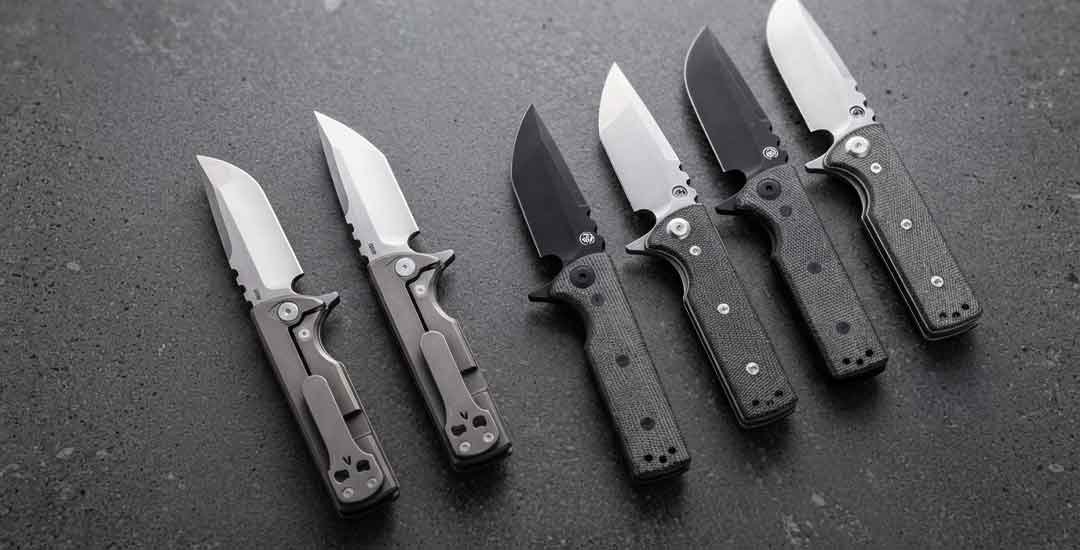
The history of Chaves Knives begins with one maker, basic
![Rated: 15 Best OTF Knives of 2026 [By Category]](https://americanknifedepot.com/wp-content/uploads/2026/09/Featured-Image-7.jpg)
Finding the best OTF knife is less about chasing the
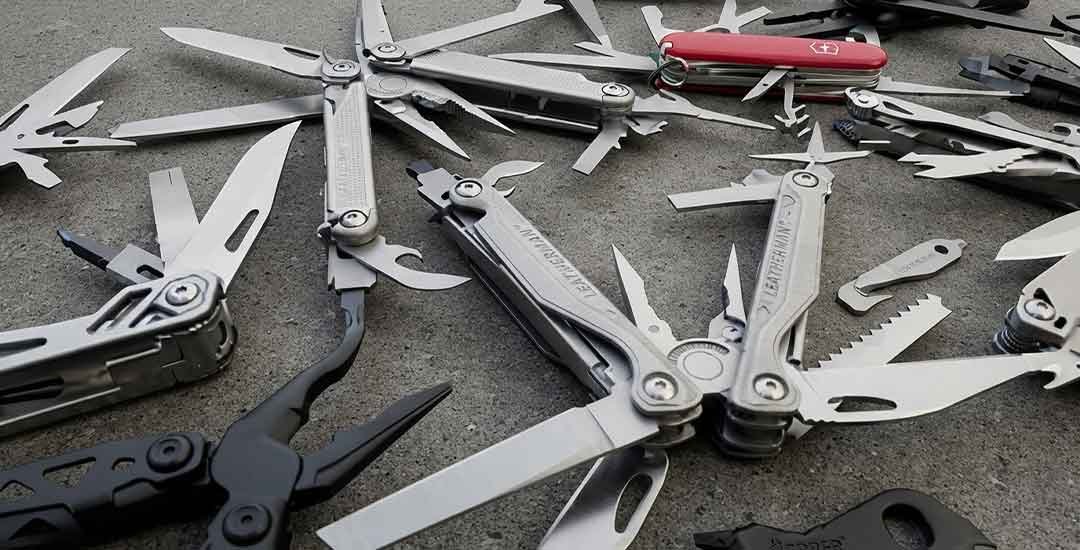
The Leatherman ARC multitool promises premium materials, 20 tools, and


















Civivi nails everyday carry. Smooth action, perfect balance, and clean design. Easily one of the best EDC knives I’ve owned at this price point.