

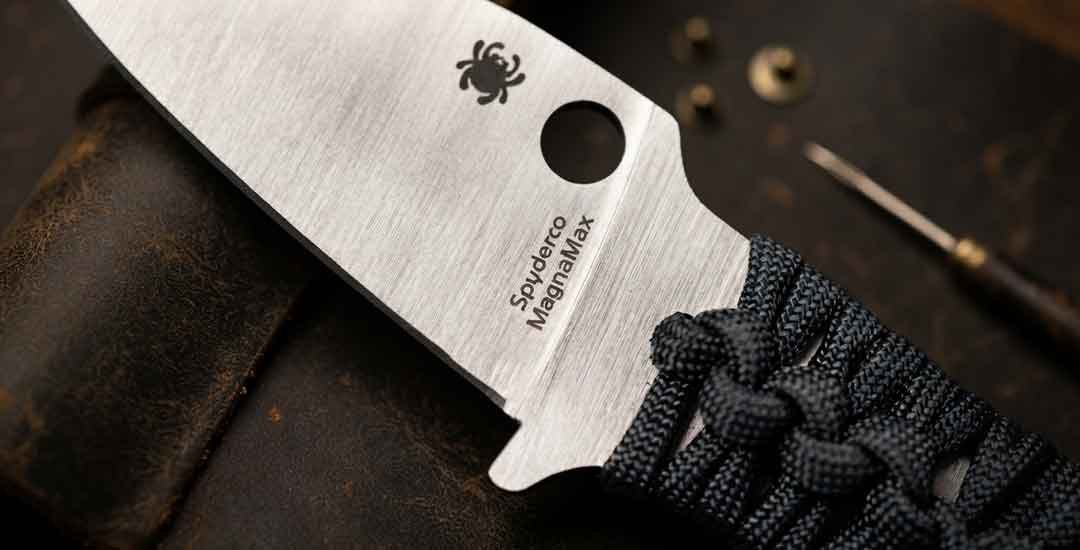
MagnaMax Steel – Everything You Need to Know
MagnaMax is a notable new knife steel that has been
The history of Chaves Knives begins with one maker, basic tools, and an obsession with building dependable blades. Long before the Chaves knife brand became familiar to collectors, Ramon Chaves was learning how useful tools fit into working life. Those lessons shaped a company known for rugged construction, precise machining, and unmistakable hardware.
If you are asking what Chaves is, the answer is simple. Chaves Knives is a modern knife manufacturer rooted in custom knifemaking. Its lineup has grown from handmade knives and custom fixed blades into production folders, OTF knives, utility tools, knife accessories, and broader EDC gear.
That evolution attracts knife enthusiasts and collectors by combining custom knifemaker craftsmanship with scalable production.
Explore premium knives and everyday carry gear at American Knife Depot.
Ramon Chaves grew up in New Mexico. His father served in the U.S. Army and later worked across several trades. Ramon learned hard work, integrity, honesty, accountability, and self-reliance from that example. Those values eventually became part of Chaves Knives’ brand identity.
As a teenager, Ramon found an old fixed blade his uncle made from an old saw blade. The discovery sparked his interest in custom knife making. He grabbed an old file, used an angle grinder, and shaped his first handmade knife.
That early fixed-blade knife was an experiment. Still, it taught the essentials of knifemaking: blade grind, steel shaping, blade geometry, and practical function.
Before becoming a full-time Chaves knife maker, Ramon worked in farming, corrections, law enforcement, trucking, inventory, and railroad jobs. In his spare time, he kept producing custom knives.
That background influenced his knife design. Hard-use knives need reliability, ergonomics, a strong build, usable edge geometry, and consistent performance.
Ramon’s early Chaves custom knives earned attention for wicked grinds, sturdy construction, and careful attention to detail. As knife popularity increased, demand eventually outgrew what part-time custom knife production could support.
Compare collector pieces and practical EDC knives at American Knife Depot before choosing your next blade.
Going full time transformed Ramon from a hobbyist into a professional custom knife maker and production knife maker. The growing knife business needed recognizable designs, repeatable quality standards, dependable supply, and strong name recognition.
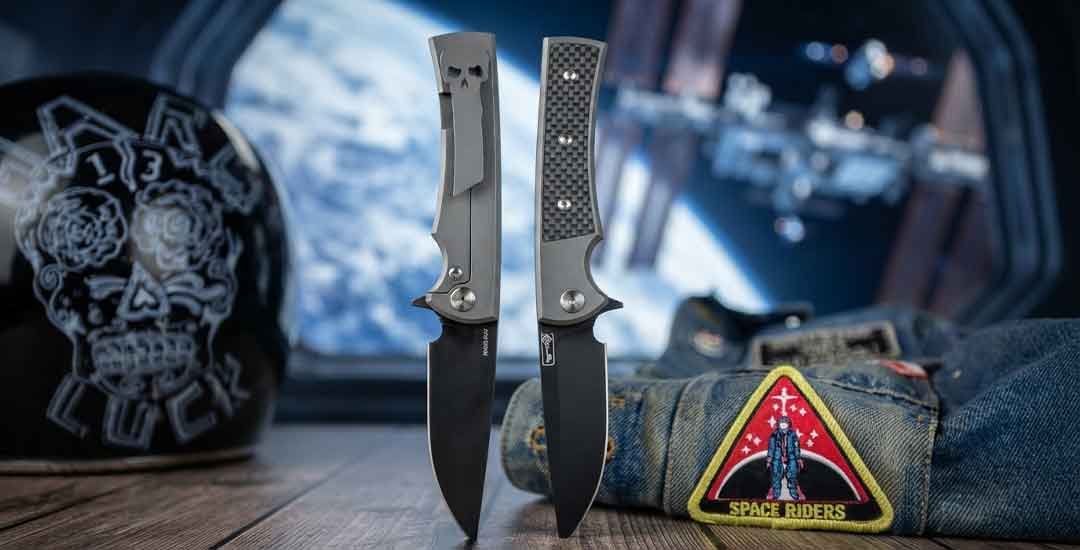
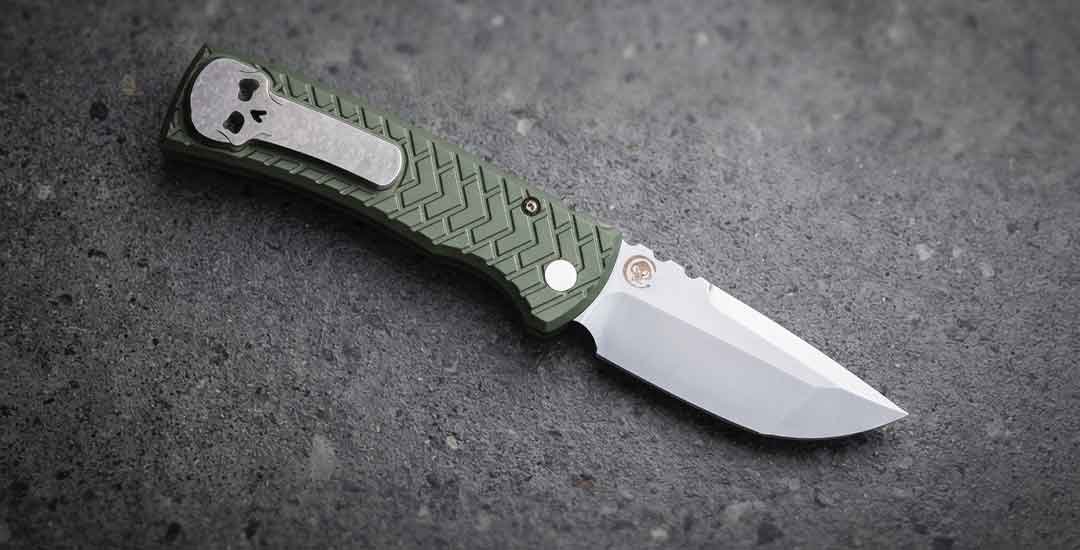
The Chaves knife logo helped create that identity. The famous Chaves skull clip became one of the most recognizable pocket clip designs in the knife world. The company also adopted the Chaves skeleton key logo, giving the brand another visual signature.
These details strengthened the knife brand identity. A recognizable clip or profile can identify a folder instantly.
The Chaves Redencion became a foundational design in the company’s move toward production knives. It translated Ramon Chaves knives from limited handmade work into repeatable production without abandoning the bold design language collectors already knew.
Custom versus production knives involves more than volume. A custom maker can adjust each piece individually. Production knife manufacturing needs repeatable processes, controlled knife materials, consistent knife tooling, and tight manufacturing tolerances.
That is where craftsmanship meets process control.
Browse trusted knife brands at American Knife Depot and compare construction, materials, and intended use.

Chaves Ultramar separated Ramon’s customs from the expanding production line. Chaves Ultramar knives gave more buyers access to recognizable Chaves knife designs while helping the company increase supply and knife accessibility.
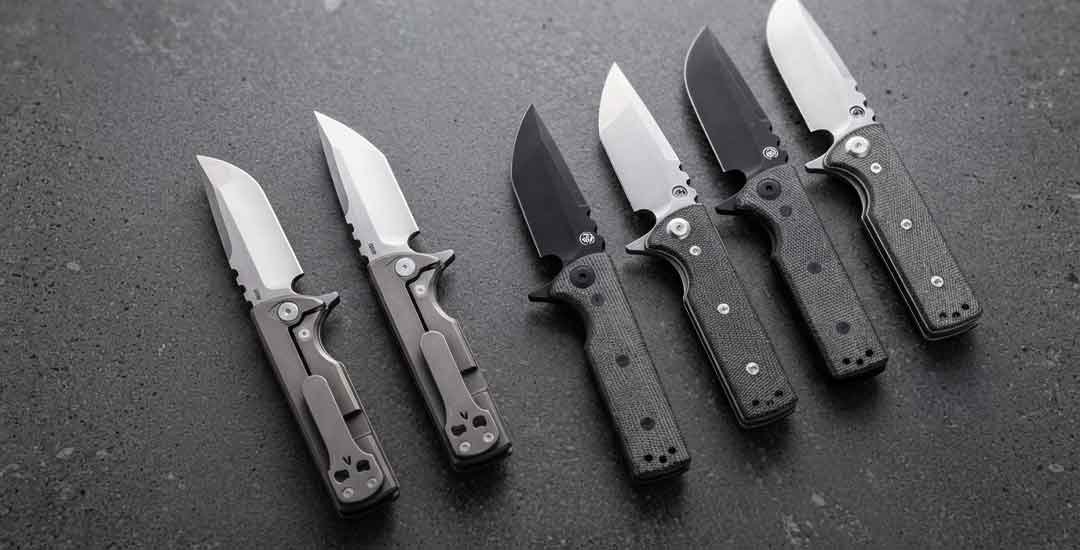
Important models included the Chaves Liberation, Liberation Street, Chaves Sangre, Sangre Street, Chaves T.A.K., and Chaves C.H.U.B. Together, they broadened the Chaves knife lineup and strengthened knife name recognition.
The company also expanded beyond folding knives. EDC products and knife accessories helped position Chaves within the broader everyday carry community, not just the premium knife-collecting market.
The answer depends on the model. Chaves currently states that select new designs are produced in-house in Utah while it continues partnering with Reate. That means the Chaves knife manufacturing story includes both American and overseas production, rather than a single origin.
For buyers researching where Chaves knives are made, checking each model matters because production paths can differ.
Chaves says its Reate partnership centers on premium materials, exacting craftsmanship, fit and finish, reliable action, and solid lockup. That combination shows why overseas production can still occupy the premium knives segment when manufacturing quality stays controlled.
Review model specifications at American Knife Depot to match steel, origin, construction, and price to your needs.
Running a knife factory differs sharply from making one custom blade at a bench. A knife manufacturing facility must coordinate machinery, machinists, raw materials, manufacturing tooling, personnel management, production management, and production schedules.
A machine shop also depends on repeatability. Precision machining must hold exacting tolerances across multiple knife components. On a folding knife, small dimensional changes can affect centering, lock engagement, action, and overall knife functionality.
Modern knife manufacturing equipment can repeat cuts accurately, but skilled machinists still need to understand tooling, blade design, finishing, assembly, inspection, and quality control.
An OTF knife makes this relationship easy to understand. Its blade travels through an internal path while a spring, pin, and other moving parts control deployment and retraction. The OTF knife mechanism depends on carefully fitted components.
If tolerances drift, the automatic knife mechanism can lose consistency. That is why precision machining, inspection, and manufacturing tolerances directly influence reliability.
Behind “smooth action” sits a chain of knife factory operations: material selection, machining, deburring, finishing, assembly, testing, and inspection.
Chaves describes its current premium production in terms of reliable action and solid lockup, which aligns with the mechanical priorities buyers can actually feel in hand.
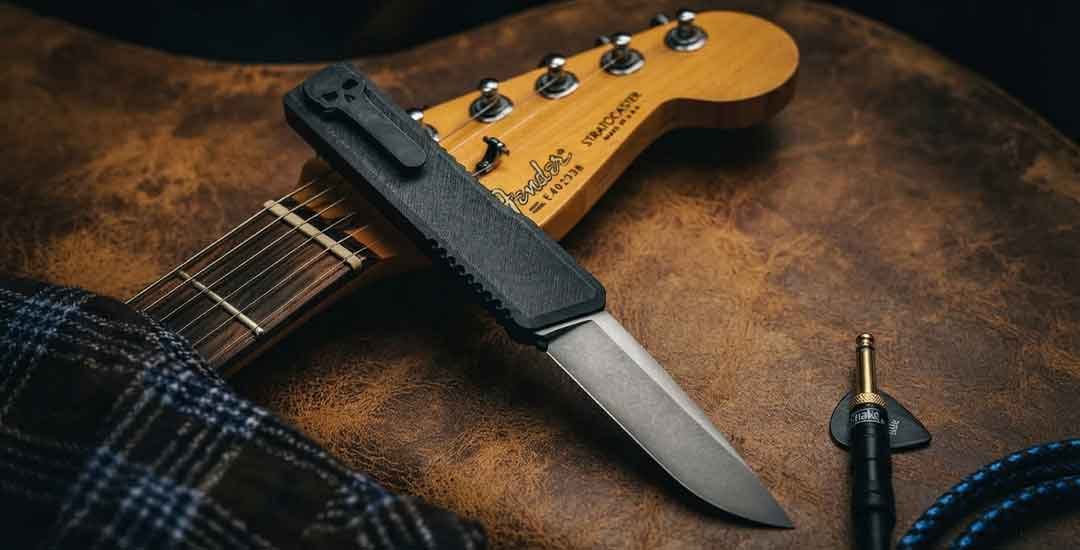
The C.H.U.B. OTF expanded the brand into a different kind of EDC. Instead of a conventional sharpened blade, it uses a replaceable razor blade. That makes it a compact cutting tool while still requiring an OTF mechanism with carefully controlled moving parts.
The design blends Chaves styling with practical utility. Users swap the cutting edge instead of repeatedly sharpening one permanent blade.
The later Chaves Dissident OTF pushed the company further into Chaves automatic knives. Together, these models broadened the Chaves knife collections beyond traditional Chaves folding knives and showed how the company could apply its rugged design language to automatic formats.
Explore EDC gear and practical cutting tools at American Knife Depot for work, travel, and daily carry.
The Chaves Blue Label extends recognizable Chaves styling into a more accessible range. Chaves itself describes Blue Label as part of its effort to make models available across different points in a buyer’s knife journey.
The Redencion X-Lock also reflects that broader approach. Instead of treating affordability as an afterthought, the brand can adjust knife materials, machining complexity, scale construction, finishing, or lock design while retaining familiar proportions.
Affordable knives and budget knives succeed when manufacturers preserve useful features instead of copying every premium specification.
A thoughtful budget-friendly knife line increases knife affordability without erasing brand identity.
Set your budget, then compare premium and affordable knife options at American Knife Depot.
Chaves knife designs remain recognizable because several characteristics repeat across generations:
That consistency creates Chaves knife heritage. However, the brand has also expanded through knife collaborations. Chaves identifies Ramon as the creative force behind the Redencion, Liberation, Sangre, Scapegoat, C.H.U.B., and RCK Series. Its current designer roster also includes additional makers and designers.
Collaborations support knife brand evolution when designers add fresh custom blade design, folding knife design, ergonomics, and materials without erasing recognizable character.
Compare blade geometry, steel, handle materials, and carry format at American Knife Depot before buying.
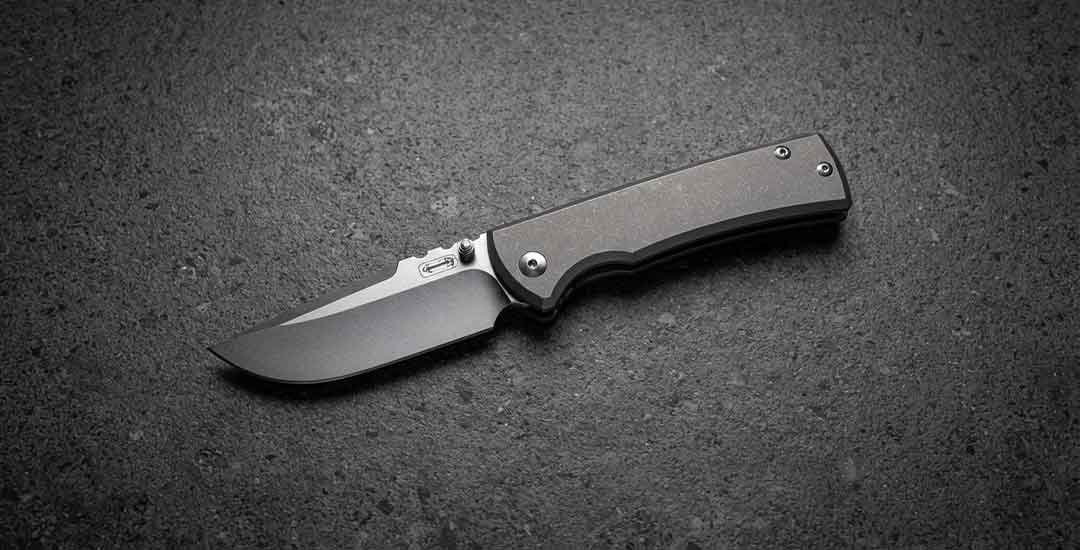
| Model or Series | Place in Chaves knife history |
| Chaves Redención | Foundational production folder |
| Chaves Liberation / Liberation Street | Expanded the production family |
| Chaves Sangre / Sangre Street | Strengthened the folding knife lineup |
| Chaves T.A.K. | Added a compact EDC format |
| Chaves C.H.U.B. | Extended the brand into utility-focused EDC |
| C.H.U.B. OTF | Combined an OTF mechanism with a replaceable razor blade |
| Chaves Dissident OTF | Expanded the automatic knife lineup |
| Chaves Blue Label | Improved accessibility across familiar designs |
| Redención X-Lock | Brought recognizable styling into a more affordable format |
Together, these models show steady growth for the knife company. Chaves moved from custom blade work into production folders, utility designs, automatic knives, and wider price points.
For collectors, this model progression also makes the brand easier to study. Each generation reflects a different stage of knife company growth: handmade experimentation, production scaling, broader affordability, and more advanced mechanisms. That historical sequence gives buyers useful context when comparing older releases with current Chaves knife models, materials, locks, finishes, and intended carry roles.
Chaves pocket knives occupy a useful middle ground. They can function as everyday carry knives, premium knives, hard-use tools, and collectible pieces.
The appeal starts with thick profiles, bold blade geometry, signature clips, and rugged construction. Reliable knives also need sound processes, sensible materials, consistent assembly, and dependable quality control.
For knife collectors, the deeper appeal comes from continuity. Modern production still connects to Ramon’s custom knife craftsmanship even as the company uses precision machining, larger production schedules, collaborations, and international manufacturing partnerships.
That continuity gives Chaves its knife heritage.
As production capabilities expanded, the distinction between custom work, Chaves production knives, and the old Ultramar identity became less central. The company increasingly consolidated its products under the Chaves name.
That shift reflects a broader evolution in knife branding. When one company can support multiple knife lines, price tiers, manufacturing methods, and collaborations, separate sub-brand identities may matter less.
Today, Chaves combines select in-house Utah production with its continuing Reate partnership. The arrangement lets the company pursue USA-made knives selectively while retaining established overseas manufacturing expertise for other products.
The central challenge remains unchanged: preserve knife quality as output grows.
Ramon Chaves founded the company after years of custom knifemaking. “Ramon Chavez” is a common search spelling, but the founder’s surname is Chaves.
Chaves produces select new designs in-house in Utah. Chaves also continues partnering with Reate, so manufacturing origin varies across the Chaves knife series.
Chaves Ultramar was the production identity used to make Chaves designs available beyond limited handmade and custom knife production.
The brand’s history includes custom fixed blade knives, folders, utility products, and Chaves OTF knives. Its wider catalog reflects decades of knife development rather than one single format.
The Chaves knife company history shows what can happen when custom knife craftsmanship grows without losing its visual identity. Ramon Chaves moved from shaping an old file with an angle grinder to building custom knives, Chaves production knives, folders, utility tools, OTF models, and an increasingly diverse knife lineup.
The brand’s legacy rests on bold knife design, knife durability, precision manufacturing, quality, and recognizable details such as the skull clip. Its newer manufacturing strategy also blends select USA production with established overseas manufacturing.
For buyers, history matters most when it improves the purchase decision. Look beyond the logo. Compare blade geometry, knife materials, mechanism, manufacturing origin, intended use, and price.
American Knife Depot helps shoppers do exactly that through a broad selection of knives and outdoor gear built for collectors, EDC enthusiasts, hunters, professionals, and everyday users.
Visit American Knife Depot to find a knife that fits your carry style, collection, workday, and budget.
MagnaMax is a notable new knife steel that has been
The history of Chaves Knives begins with one maker, basic
![Rated: 15 Best OTF Knives of 2026 [By Category]](https://americanknifedepot.com/wp-content/uploads/2026/09/Featured-Image-7.jpg)
Finding the best OTF knife is less about chasing the
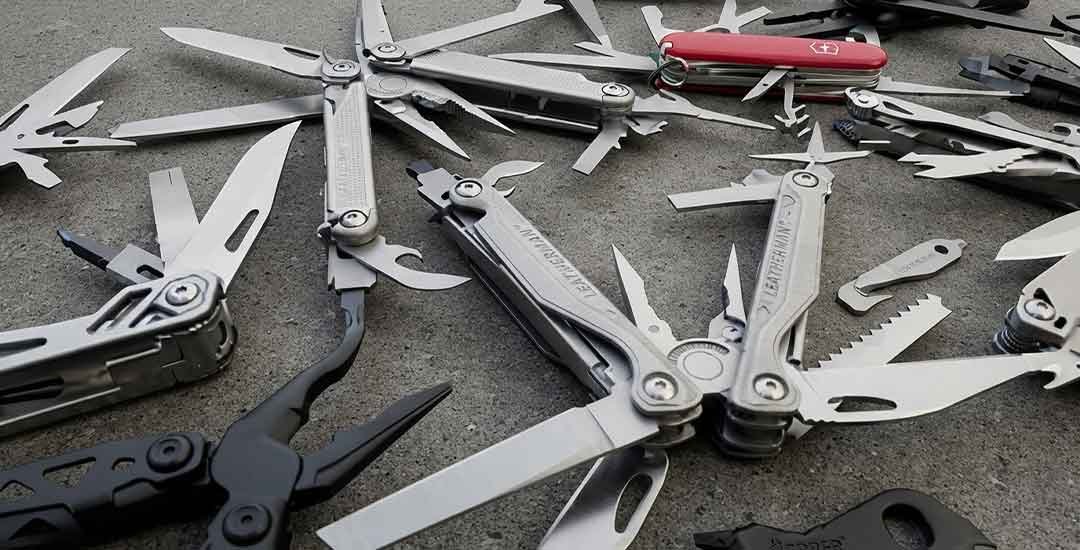
The Leatherman ARC multitool promises premium materials, 20 tools, and












Civivi nails everyday carry. Smooth action, perfect balance, and clean design. Easily one of the best EDC knives I’ve owned at this price point.