
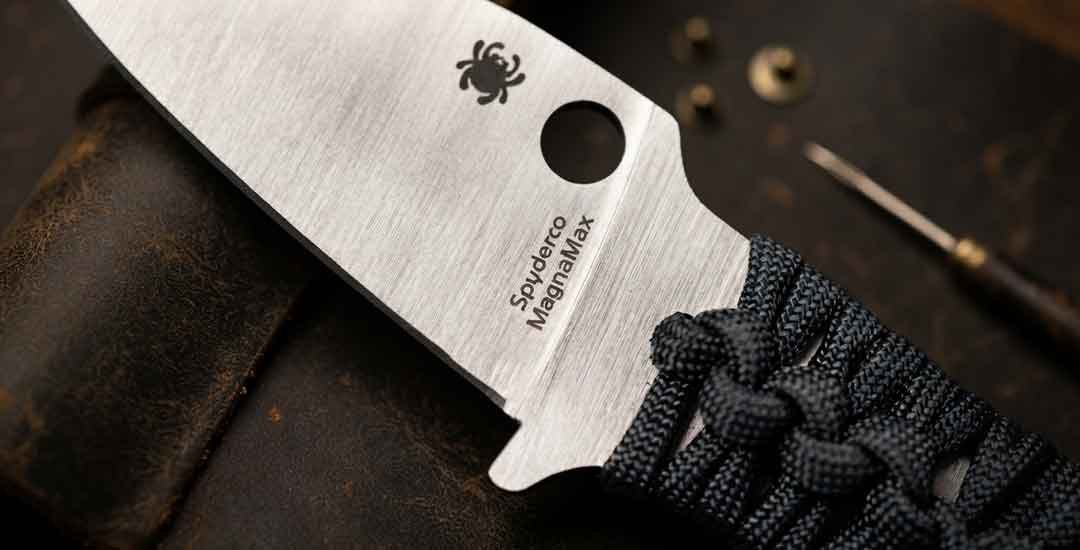
MagnaMax Steel – Everything You Need to Know
MagnaMax is a notable new knife steel that has been
Belt carry is changing, and horizontal carry knives are leading the shift. Walk through any outdoor show or tactical gear meetup these days, and you’ll spot fewer vertical sheaths riding low on the hip. Instead, folks are strapping on scout carry knives and horizontal belt sheaths that sit flat and stay out of the way. It’s not a fad. It’s a smarter way to carry steel.
This guide breaks down our current top picks for horizontal carry fixed blade knives, from bushcraft workhorses to tactical fixed blades built for hard use. Whether you need a trail knife for weekend hikes, a compact fixed blade for city EDC, or a hard-use outdoor knife for camp chores, there’s a horizontal carry option built for it. We’ll cover what actually matters when picking one (steel, grip, sheath design), then answer the questions we hear most from readers building out their carry setup.
Here’s the thing about a traditional vertical sheath: it works fine until you sit down, bend over, or try to walk through brush without snagging your handle on something. Horizontal carry solves that. The knife rides parallel to your belt instead of hanging down, which keeps the profile low and the handle tucked close to your body.
For anyone with a smaller waist, this matters even more. A tall vertical sheath can dig into your side or bunch up under a jacket. A horizontal sheath setup spreads that bulk sideways instead, so it sits flatter and feels less like you’re wearing a weapon. Some people call it a sideways knife carry for exactly that reason, since the blade rides across the belt rather than down it.
A small of back knife setup takes the same idea and moves it to the rear center of the belt. This back knife position tucks the handle where a shirt or jacket naturally covers it, which makes it a favorite for anyone who wants a low-profile blade without giving up quick access.
Scout carry, which places the knife horizontally at the front of the belt (usually just off-center), has become the go-to configuration for hikers, hunters, and everyday carry fans alike. It puts the blade within easy reach for a fast-draw, one-handed motion, whether you’re processing kindling at camp or breaking down a box at home.
Another reason horizontal carry has caught on: it plays nicer with both left-hand carry and right-hand carry setups. Most horizontal and scout carry sheaths use an ambidextrous design, meaning you can flip the sheath or reposition the belt loop and get the same clean draw regardless of which hand you favor. That’s a real upgrade over older vertical sheaths, which often locked you into one carry side for good.
Not every fixed blade translates well to horizontal carry. Before you buy, look at four things.
Blade steel. Your knife steel choice affects edge retention, corrosion resistance, and how easy the blade is to sharpen in the field. Popular options right now include D2 steel, 1095 high carbon steel, M390, S35VN, Nitro-V, Magnacut, 14C28N, and 420HC. Carbon steels like 1095 sharpen easily but need a light coat of blade oil to fight rust. Stainless options like M390 and Magnacut trade a bit of sharpening ease for serious corrosion resistance. D2 steel sits in between, semi-stainless with excellent edge holding, which is why it shows up on so many budget-to-mid-range horizontal carry knives.
Blade shape and grind. A drop point blade handles general bushcraft and hunting tasks well. Clip point and spear point blades offer more precision for detail work. Sheepsfoot and Wharncliffe blades excel at controlled push cuts, while a tanto blade adds tip strength for harder tactical use. Grind matters too: a scandi grind is famous for feathersticking and easy field sharpening, while a full flat grind slices more efficiently through thicker material.
Handle material and grip. Micarta and G10 handle scales hold up in wet weather and stay grippy when your hands are cold or muddy. A rubber handle adds cushion for long sessions of camp work, which is common on budget-friendly options built as a straightforward utility knife rather than a premium collector piece. Look for a contoured shape with a finger choil if you want better control during detail cuts.
Size matters here too. A small fixed blade or compact EDC fixed blade knife carries easier in horizontal position than a full-size field knife, simply because there’s less handle length working against your belt line. Most horizontal carry sheaths also include a belt clip or adjustable loop, so double-check that the one you’re buying fits your belt width before it ships.
Sheath type and retention. This is where horizontal carry lives or dies. Kydex sheaths offer the tightest retention and a satisfying, no-rattle draw, while a poorly molded sheath will develop sheath rattle within a few weeks of daily wear. Leather sheaths look classic and break in over time but offer less adjustability. Pancake-style and taco-style Kydex sheaths are the two most common builds for horizontal carry, and both typically include tension screws so you can dial in exactly how much resistance you want on the draw. A molded thumb ramp near the handle also speeds up your fast-draw technique, since it gives your thumb a natural pivot point instead of fumbling for the grip.
We update this list regularly as new releases hit the market and older models get discontinued. Whether you’re shopping for a bushcraft knife for weekend trips, a camping knife for around-the-fire chores, a hunting knife for field dressing, a fishing knife for cleaning the day’s catch, or a backpacking knife light enough to forget you’re carrying, here’s what’s earned a spot right now.
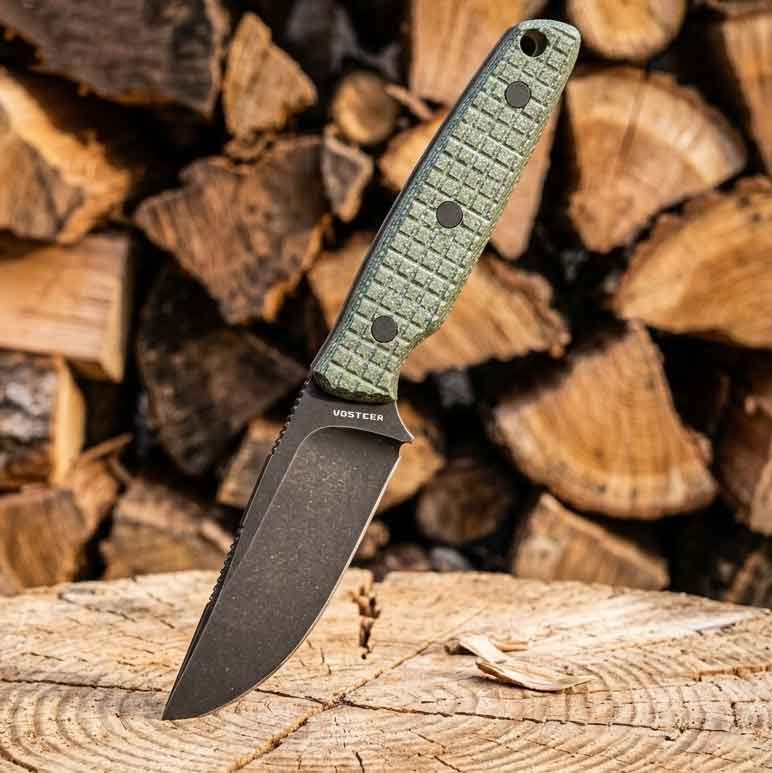
| Knife | Steel | Handle | Sheath Style | Best For |
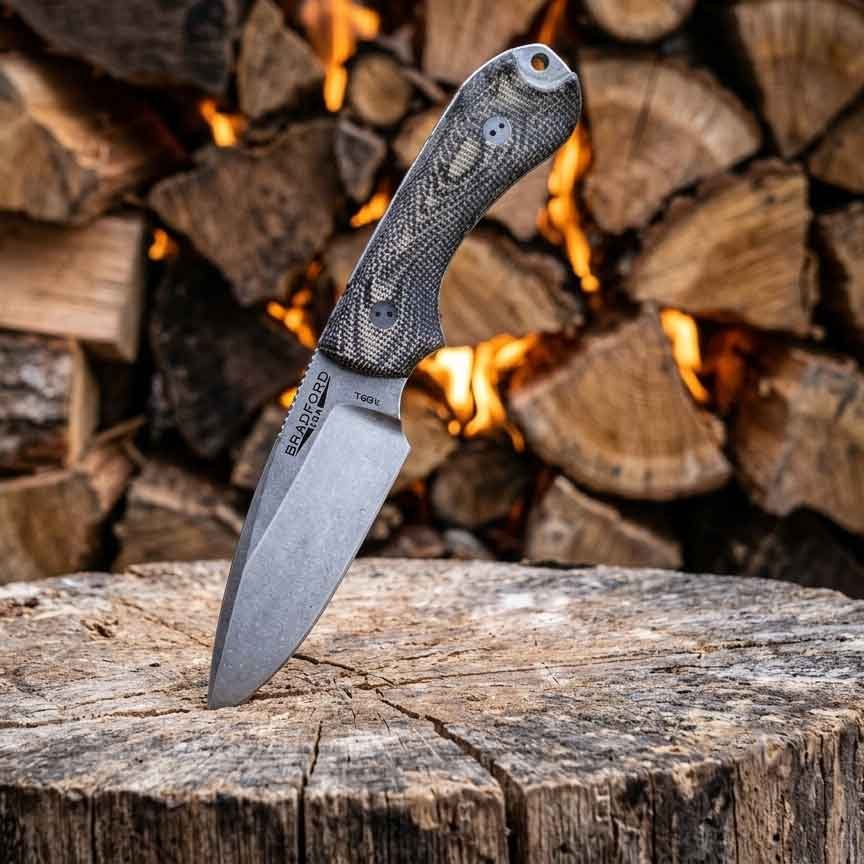
| Bradford Guardian 3 | Nitro-V or Magnacut | G10 | Kydex, MOLLE-ready | All-around bushcraft |
| Vosteed Mink | 14C28N | Micarta | Kydex | Compact EDC |
| Knafs Lander 4 | Nitro-V | G10 | Kydex | Everyday carry |
| Off-Grid Sidekick | D2 | G10 | Kydex | Budget bushcraft |
| Condor SBK | 1095 | Micarta | Leather | Hard-use camping |
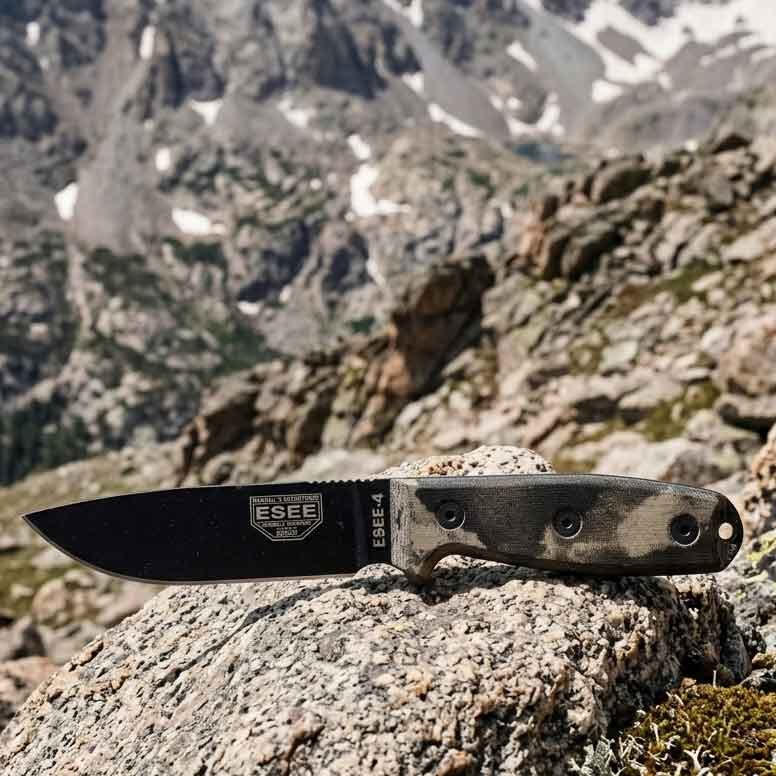
| ESEE 4 (MOLLE add-on) | 1095 | Micarta/G10 | MOLLE-back Kydex | Survival kits |
| Kizer Beaver | 154CM | Micarta | Kydex | Detail carving |
| Reiff Circadian | CPM S35VN | Micarta | Kydex | Premium EDC |
| Gerber Principle | 420HC | Rubber | Polymer | Budget outdoor use |
| Civivi Timberbark | 14C28N | G10 | Kydex | Camp utility |
| Ontario RAT 3 | 1095 or D2 | Micarta | Nylon | Rugged fixed blade |
| ESEE Izula 2 | 1095 | Skeletonized | Kydex | Minimalist backup |
| Civivi Elementum Fixed Blade | Nitro-V | G10 | Kydex | Small game processing |
| Kizer Harpoon | 154CM | Micarta | Kydex | Fishing and bait work |
| Southern Grind Jackal Pup | S35VN | G10 | Kydex | Tactical bushcraft |
| LionSteel M2M | Sleipner | Micarta | Leather | Traditional hunting |
| Off-Grid Hoglet | D2 | G10 | Kydex | Small-of-back carry |
| CRKT S.P.E.W. | 1.4116 | Textured polymer | Kydex | Budget EDC |
| White River Knives 3 & 4 | S35VN | Micarta | Leather or Kydex | Field-sharpenable premium |
| Kizer Smolt | 154CM | G10 | Kydex | Compact scout carry |
A few of these stand out from hands-on use. The Bradford Guardian 3 consistently shows up on best horizontal carry survival knife lists for good reason: the full tang construction and Magnacut option give you serious edge retention without sacrificing toughness. The ESEE Izula 2, meanwhile, wins for anyone who wants a compact backup blade that disappears on the belt until you need it.
Nearly every knife on this list ships with, or has an aftermarket option for, a Kydex sheath with an adjustable belt loop or Tek-Lok attachment. That matters because a loose sheath means a rattling knife, and a rattling knife means slower deployment when you actually need the blade. Look for models with tension screws so you can tighten retention as the Kydex breaks in.
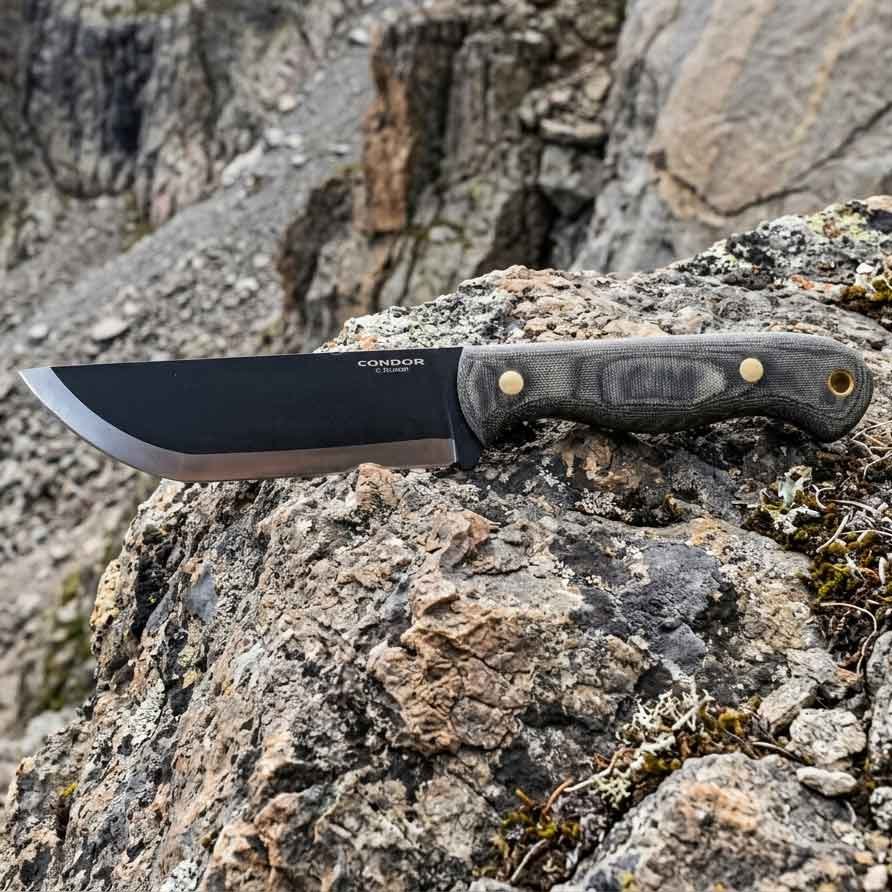
| Knife | Steel | Blade Shape | Sheath | Notes |
| CRKT Ramadi | 8Cr13MoV | Drop point | Kydex, MOLLE | Budget tactical |
| Spartan Blades Alala | CPM S35VN | Spear point | Kydex | Veteran-designed |
| SOG Altair FX | CRYO 440C | Drop point | MOLLE-ready | Law enforcement style |
| TOPS Ephyra | 1095 | Drop point | Leather | Compact tactical carry |
| TOPS 3 Pointer | 1095 | Spear point | Kydex | Self-defense focus |
| Gerber StrongArm | 420HC | Clip point | MOLLE, Kydex | Military-style fixed blade |
| Civivi Tamashii | Nitro-V | Tanto | Kydex | Hard-use tactical |
| CRKT SiWi | D2 | Drop point | Kydex | Quick-deploy carry |
The Gerber StrongArm remains one of the most requested tactical fixed blades we carry, largely because the full tang design and MOLLE-compatible sheath make it a natural fit for plate carriers and battle belts alike. If you want something built for one-handed draw speed, the CRKT SiWi delivers that with a tight, no-rattle Kydex fit.
Not every solid horizontal carry option fits neatly into a “top pick” table, but a couple of legacy names still deserve a mention. Ka-Bar’s Becker line has long been a benchmark for rugged, no-frills outdoor knives, and several models accept aftermarket Kydex sheaths built for horizontal carry. Boker fixed blades bring old-world German steel quality to the category, with a few compact options that suit small-of-back carry particularly well. Neither brand is a primary focus of this update, but both are worth checking against American Knife Depot’s full fixed blade knife collection if you want more to compare.
Picking the right carry position changes how comfortable and how fast your draw feels.
“The best carry position is the one you forget you’re wearing until you need it.” That’s the standard we hold every horizontal carry knife to before it makes this list.
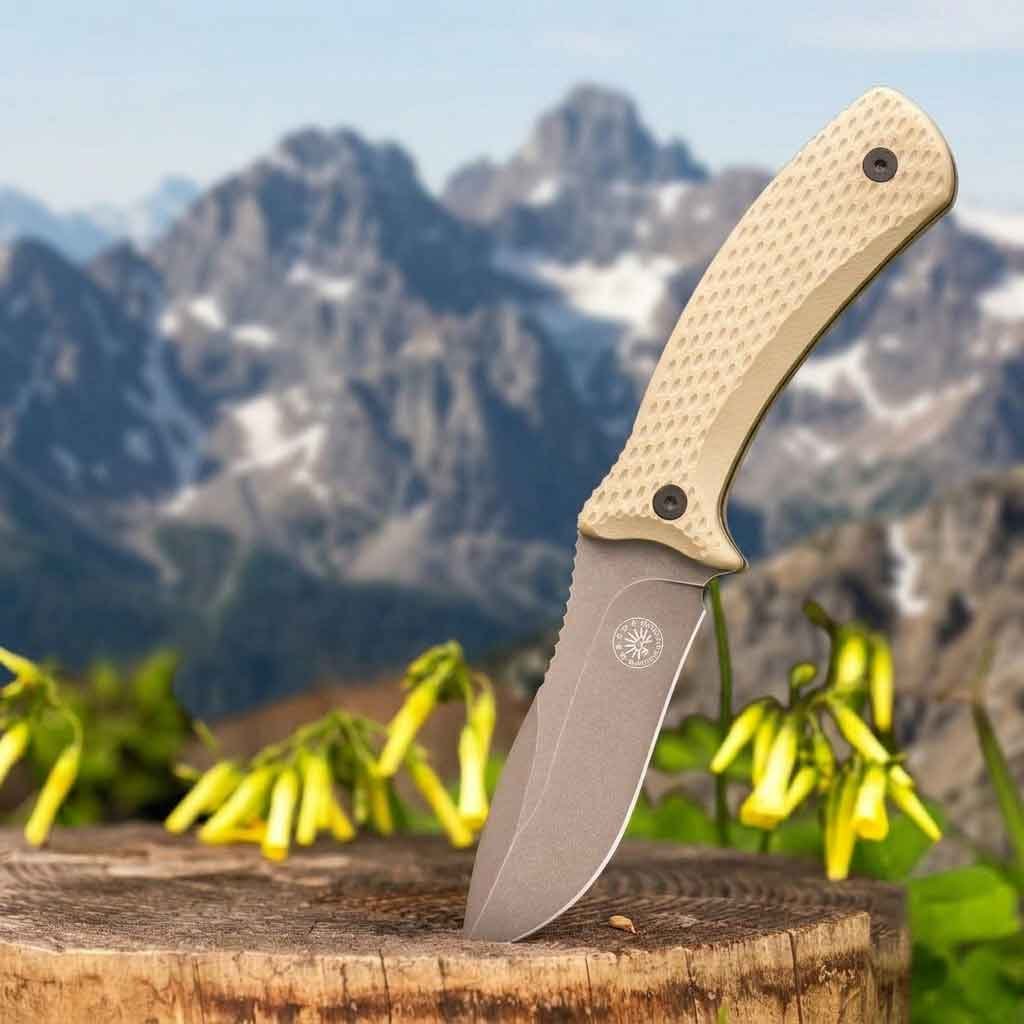
MOLLE, short for Modular Lightweight Load-Carrying Equipment, refers to the grid of webbing found on tactical vests, plate carriers, and backpacks. A MOLLE-compatible knife sheath attaches directly to that webbing, which is why so many tactical fixed blades on this list ship with a MOLLE back panel option.
Tek-Lok attachments serve a similar purpose but for belts instead of webbing. A Tek-Lok clip lets you snap a sheath on or off without threading it through your belt loops, and most versions rotate to adjust the carry angle. If you switch between belt carry and a plate carrier depending on the day, look for a knife with both attachment options built in or available as an add-on.
We don’t rank knives off spec sheets alone. Every knife on this list goes through the same field-tested process:
What is scout carry?
Scout carry is a horizontal carry position where the knife sits at the front of the belt, blade facing inward, for a fast and comfortable draw.
What are the benefits of the scout carry position?
It keeps the knife low-profile, works for both left-hand and right-hand users, and stays clear of backpack straps and jacket hems.
What is cross draw?
Cross draw carries the knife on your non-dominant hip, requiring you to reach across your body to draw the blade.
What are the benefits of cross draw?
It keeps the handle out of the way while sitting, driving, or wearing a backpack, and it suits hunters who need clearance around gear straps.
What is inside-the-waistband carry, and what are its benefits?
It tucks the knife against your body under your waistband for maximum concealment, ideal for everyday carry in settings where a visible blade draws attention.
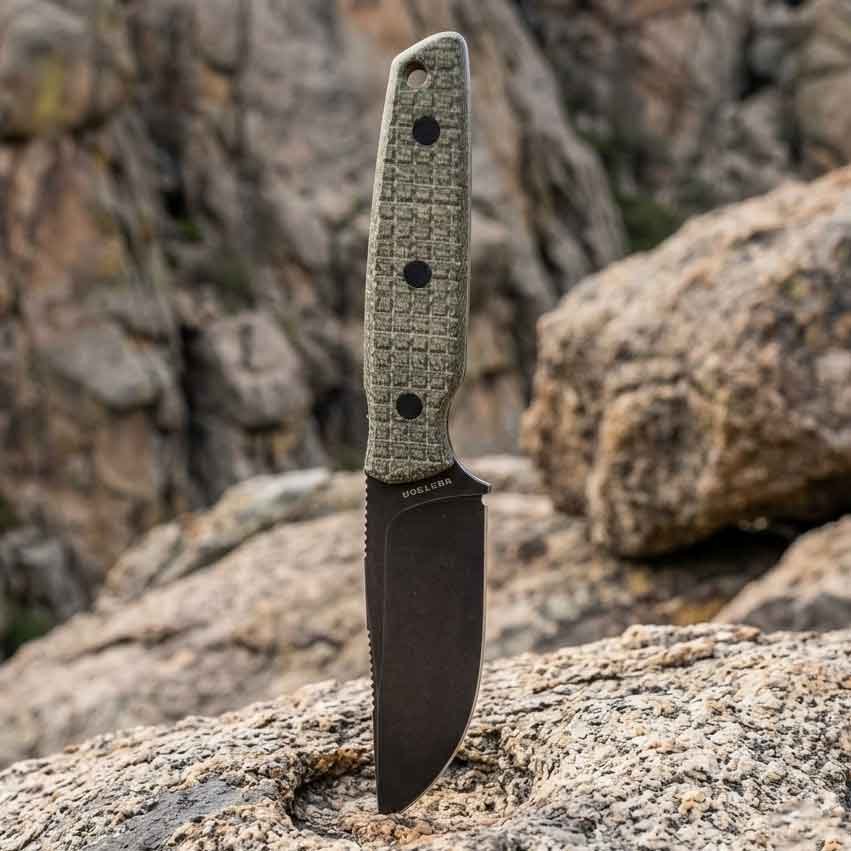
Horizontal and scout carry knives solve real problems that vertical sheaths never quite fixed: comfort, concealment, and faster access. Whether you’re after a bushcraft workhorse like the Bradford Guardian 3 or a tactical option like the Gerber StrongArm, the right pick comes down to your blade steel preference, your carry position, and how your sheath attaches to your gear.
American Knife Depot carries most of the knives featured on this list, along with the Kydex sheaths, Tek-Lok clips, and MOLLE accessories needed to build out your ideal carry setup. With over 13,000 products across 60+ categories and a 4.8-star rating backed by more than 13,700 verified reviews, American Knife Depot has built its reputation on stocking gear that holds up outside the box, not just on the shelf.
Ready to upgrade your carry? Shop horizontal carry fixed blades at American Knife Depot and find the sheath system that actually fits how you move. Have questions about matching a knife to your carry style? Reach out to the American Knife Depot team — they’ll help you pick the right setup the first time.
MagnaMax is a notable new knife steel that has been
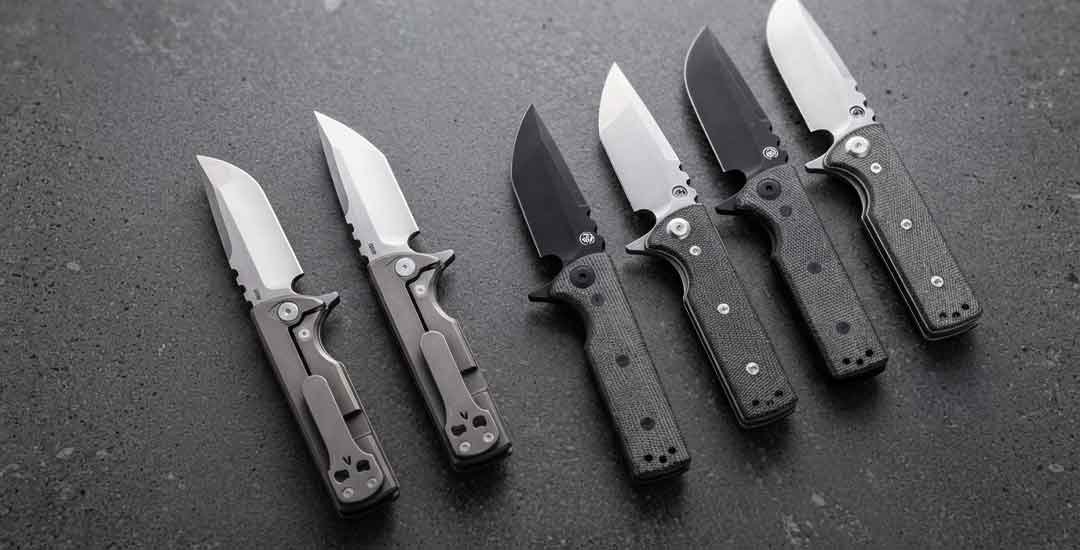
The history of Chaves Knives begins with one maker, basic
![Rated: 15 Best OTF Knives of 2026 [By Category]](https://americanknifedepot.com/wp-content/uploads/2026/09/Featured-Image-7.jpg)
Finding the best OTF knife is less about chasing the
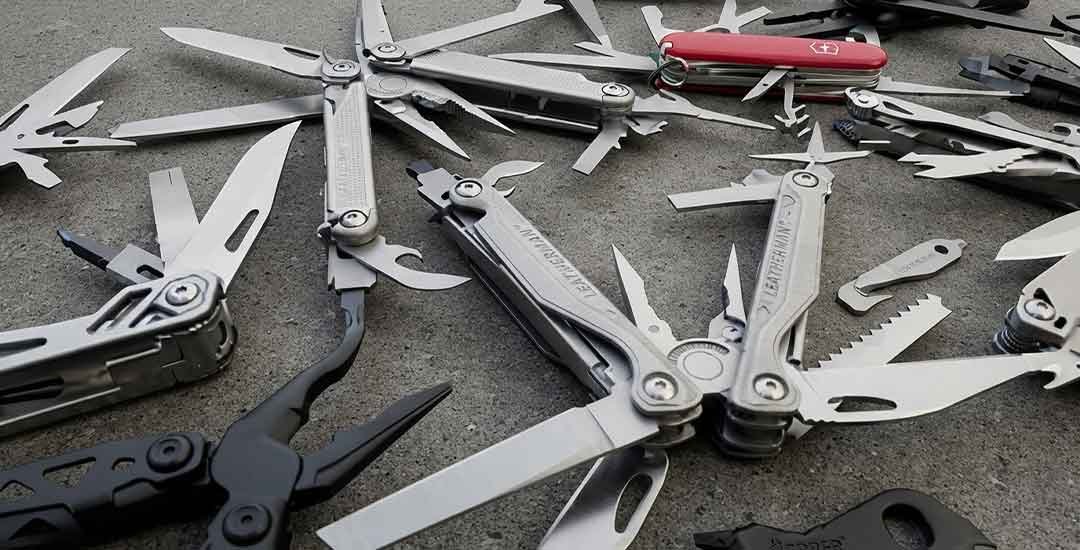
The Leatherman ARC multitool promises premium materials, 20 tools, and












Civivi nails everyday carry. Smooth action, perfect balance, and clean design. Easily one of the best EDC knives I’ve owned at this price point.