
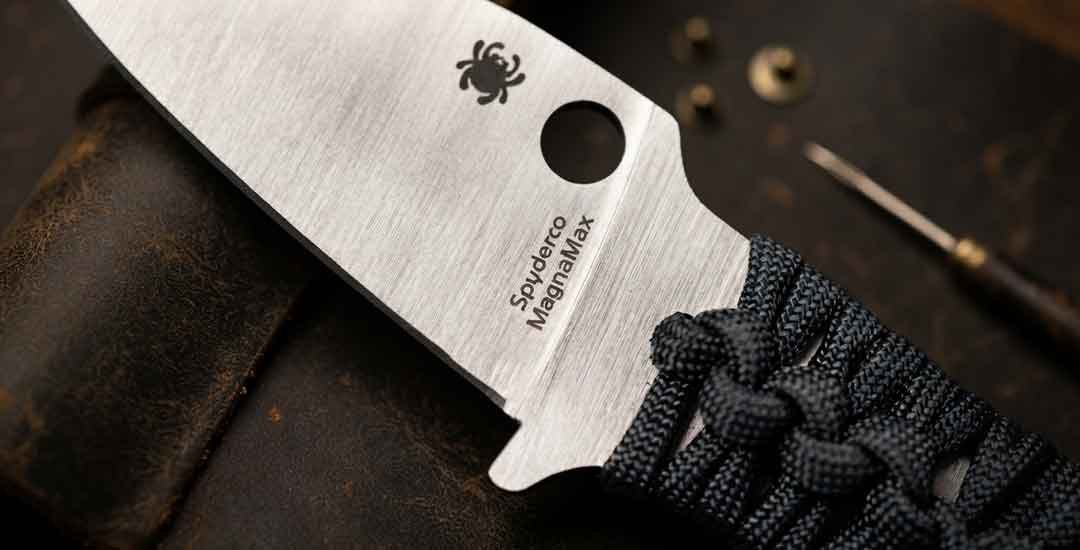
MagnaMax Steel – Everything You Need to Know
MagnaMax is a notable new knife steel that has been

Knife throwing looks simple until the first blade hits flat. A good throw depends on balance, weight, distance, release timing, and a target that accepts the point cleanly. That is why the best throwing knives are rarely the flashiest ones. They are the knives you can grip, release, and repeat with confidence.
Beginners usually need forgiving balance and manageable weight. Experienced throwers often care more about matched dimensions, rotation control, steel toughness, and competition rules. Both groups benefit from solid construction and predictable handling.
This guide compares practical options, explains what makes a good throwing knife, and shows how to choose equipment for safe recreational or competitive practice. American Knife Depot offers U.S. shoppers access to throwing knives, outdoor gear, and major knife brands in one online store.
Shop throwing knives at American Knife Depot and compare sets, sizes, and styles before you buy.
| Pick | Model | Best For | Length | Weight | Steel |
| Best overall | Cold Steel Sure Flight Sport | Versatile practice | 12 in | 8.3 oz | 1055 carbon steel |
| Best beginner | Cold Steel Mini Flight Sport | New throwers | 10 in | 6.4 oz | 1055 carbon steel |
| Best budget set | Perfect Point PP-060-9 | Low-cost practice | 6.25 in | 3-4 oz each | Stainless steel |
| Best intermediate | CRKT Ken Onion Set | Skill development | 11.66 in | 5.1 oz each | 1050 carbon steel |
| Best value set | Smith & Wesson Bullseye | Matched practice | 10 in | 6.4 oz each | 2Cr13 stainless steel |
| Best lightweight | Kershaw Aethon | Faster rotation | 9 in | About 5.3 oz | 3Cr13 stainless steel |
Focus on these buying factors:
One practical rule helps when comparing a throwing knife for sale: buy for repeatability, not appearance. Two knives can share the same length yet feel completely different because their balance point and weight distribution differ. If possible, choose matched knives from the same model. That reduces the number of variables during knife-throwing practice. Also inspect product specifications before ordering. Overall length, steel type, quantity, sheath details, and stated weight should match your intended use. For beginners, fewer surprises usually mean faster skill development. For experienced users, consistent specifications make it easier to fine-tune release timing, rotation control, and throwing distance without constantly adapting to new equipment during every session.
Consistent equipment builds muscle memory and makes technique easier to evaluate.
The Cold Steel Sure Flight Sport is a practical, balanced throwing knife for regular practice. It measures 12 inches, weighs 8.3 ounces, and is made of 1055 carbon steel. That combination gives it useful momentum without making it excessively heavy.
Its center balance supports predictable rotation with blade or handle grips. Wipe carbon steel after practice and use light knife oil to reduce rust.
Best for: recreational users who want a versatile thrower.
Compare balanced throwing knives at American Knife Depot before choosing your preferred weight and length.
The 10-inch Mini Flight Sport weighs 6.4 ounces and also uses 1055 carbon steel. Its smaller size can feel less intimidating when you are learning basic knife throwing.
Its simple design keeps your attention on grip, stance, and release timing. Because lighter knives demand cleaner technique at longer distances, build control before adding distance.
Best for: adult beginners who want a manageable, durable training knife.
The Perfect Point PP-060-9 offers nine small knives at a low entry cost. That makes it attractive for shoppers looking for good throwing knives for beginners without spending heavily on a first setup.
The trade-off is durability. Lightweight stainless steel can show tip wear, while cord wrapping may loosen. Still, nine knives give you plenty of opportunities for repetition before retrieval.
Best for: low-cost recreational practice.
Choose a throwing knife set for more repetitions and fewer interruptions during practice.
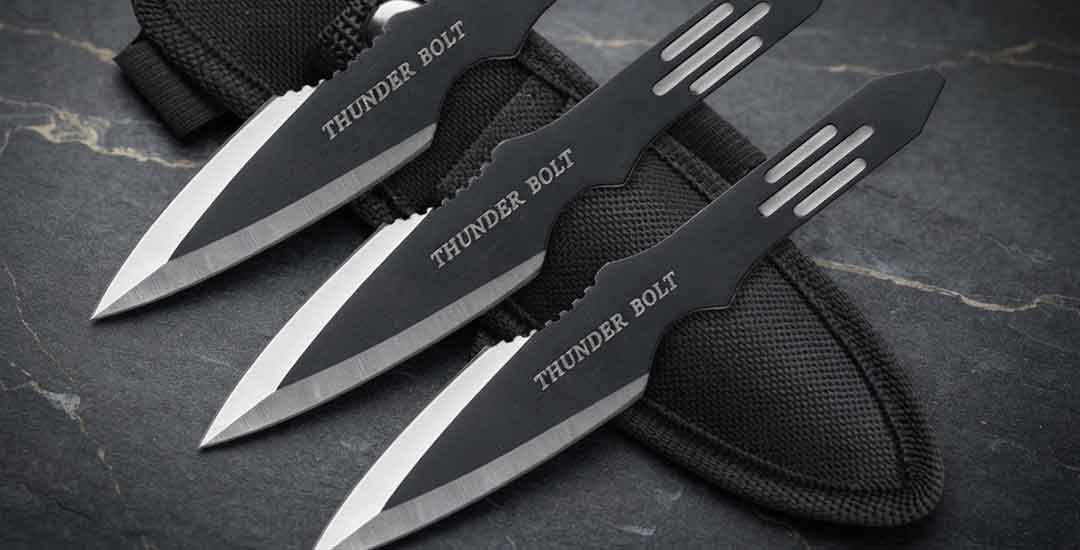
The CRKT Ken Onion Throwing Set includes three matched knives made from 1050 carbon steel. Each knife measures about 11.66 inches and weighs around 5.1 ounces.
Grooves provide clear grip references, helping intermediate throwers maintain consistent finger placement. Their light weight also exposes release-timing errors quickly.
Best for: intermediate throwers working on rotation control and consistent technique.
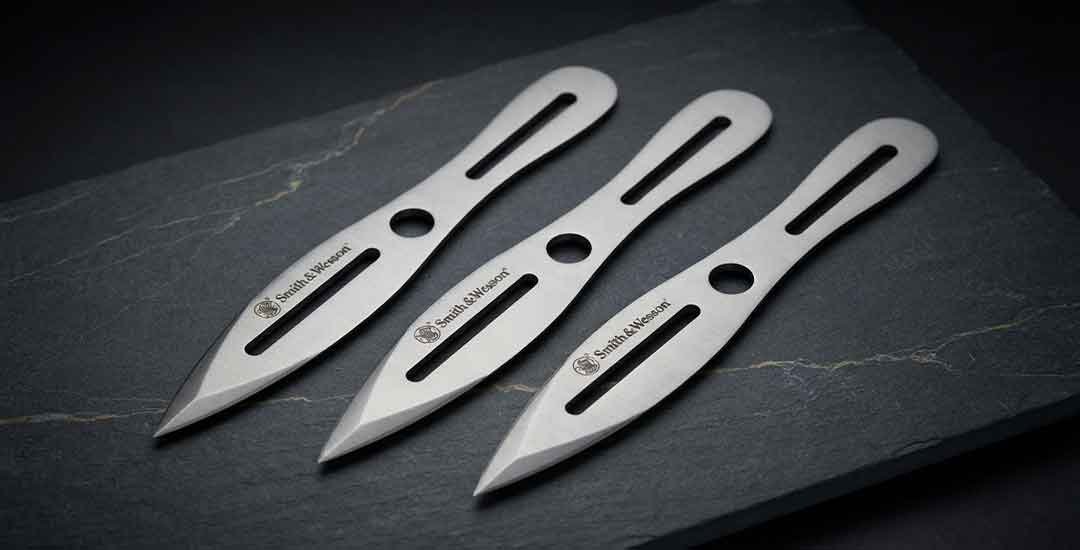
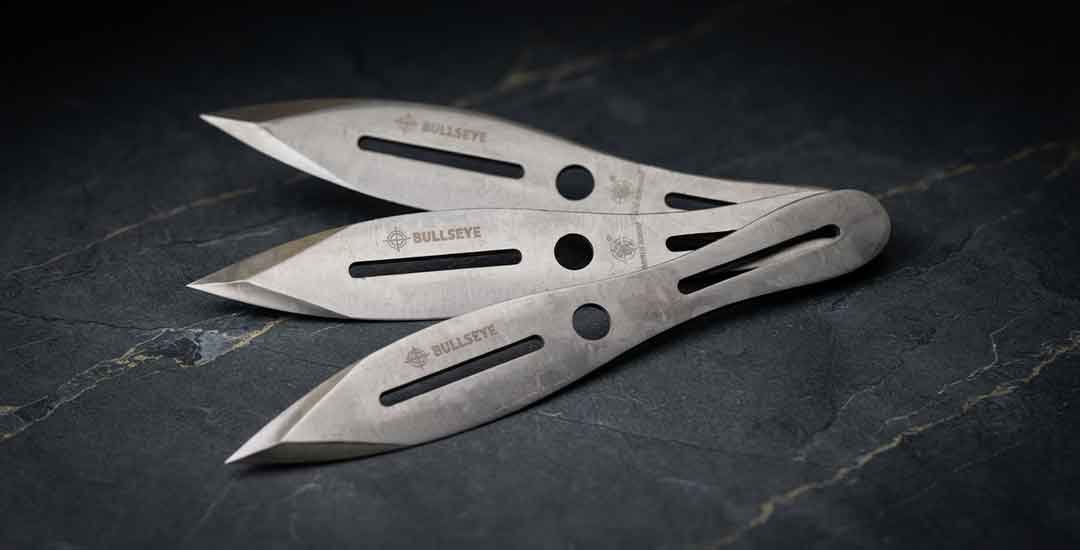
Smith & Wesson throwing knives include the Bullseye three-piece set. Each knife measures 10 inches and weighs about 6.4 ounces.
Matched dimensions simplify knife throwing training. The 2Cr13 stainless steel resists corrosion, though hard impacts can still damage the throwing blade or point.
Best for: buyers who want a complete matched set at a practical price.
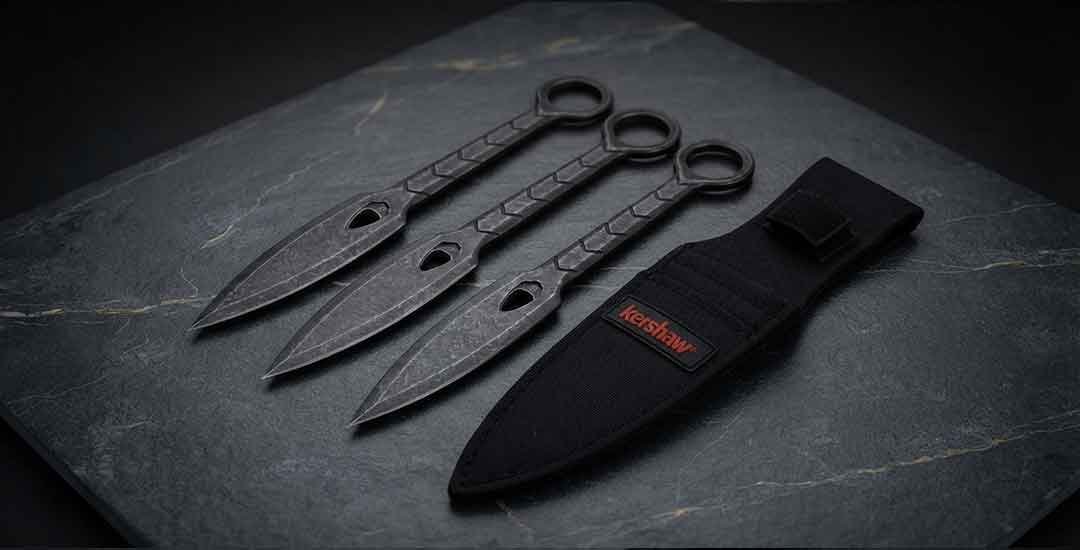
The Kershaw Aethon comes as a three-piece set. Each knife measures about 9 inches and weighs roughly 5.3 ounces. The 3Cr13 stainless steel keeps maintenance straightforward.
Its low weight reduces arm fatigue but also lowers momentum at longer distances. The finger ring may improve grip consistency for some users and disrupt release for others.
Best for: recreational throwers who prefer fast rotation.
Explore Kershaw and other trusted knife brands at American Knife Depot when comparing lightweight throwing gear.
Choose by hand fit, throwing style, target setup, and experience.
Throwing knives generally fall into three balance categories.
Many beginners find center balance easier to read. The right setup is the one you can release consistently and control safely.
Weight affects momentum, rotation, and arm fatigue. Heavy throwing knives carry energy well. Lightweight throwing knives move faster but can expose timing errors.
Medium-weight knives often balance sticking power and fatigue. Competition users should check current rules for required dimensions, weight, and construction.
Check current league specifications before buying professional throwing knives for sanctioned competition.
Carbon steel throwing knives often use steels such as 1050, 1055, 1075, or 5160. Softer, more flexible steel can withstand repeated impacts well because it tends to bend rather than fail in a brittle manner.
Stainless steel throwing knives resist corrosion and need less maintenance. Budget grades such as 2Cr13 and 3Cr13 remain common in affordable throwing knives.
Match the steel to your practice conditions and maintenance habits.
Repeated impact punishes weak construction. One-piece steel construction removes screws, scales, and joints that can work loose.
Purpose-built full-tang designs can also work. Avoid ordinary pocket knives or folding throwing knives, as their pivots aren’t designed for repeated impact.
Spear point, dagger-style blade, drop point, and kunai-style knife designs all appear in throwing gear. A centered point often helps target penetration.
A kunai knife, sometimes searched as “kunia knife,” may include a finger ring. That feature changes grip feel and release dynamics.
Choose point geometry, balance, and durability over appearance.
These types of throwing knives differ mainly by weight distribution. Center-balanced models feel neutral. Blade-heavy designs rotate differently because more mass sits forward. Handle-heavy models shift the mass backward.
Stick with one design long enough to learn its rotation.
Throwing stars and shuriken are multi-point throwing tools. They belong to a different category from standard throwing knives.
Compare the best throwing stars or best throwing shuriken separately because their flight and rules differ.
Good beginner throwing knives should feel simple, durable, and predictable. Look for manageable weight, stable balance, and a matched throwing knife set.
A throwing-knife professional may prioritize tighter manufacturing tolerances, precise weight distribution, legal compliance for competition, and repeatable release.
Professional-grade isn’t automatically better for beginners. Predictability matters more than prestige.
People often search “how do I throw a knife” or “how to throw a knife accurately.” Start with safety, not speed.
Use purpose-built knives and a stable wooden target. Keep people, pets, and fragile property away from the throwing area. Never throw while someone retrieves knives.
For basic throwing practice, focus on:
A clean knife throw comes from rhythm, not raw power. Keep dagger-throwing and throw-knife drills within controlled sport practice.
Build your practice around safe equipment, a clear lane, and repeatable fundamentals.
Target boards for knife throwing should accept the point without excessive bounce. Soft wood and end-grain wood usually work better than dense hardwood.
Useful target materials include:
End-grain orientation improves penetration between wood fibers and can reduce tip damage. Avoid hard or brittle surfaces, never use living trees, and add a stable backstop.
Protect your knives by pairing good throwing gear with a stable, purpose-built wooden target.
Maintenance keeps throwing knives predictable. Dirt, rust, bent tips, and loose wrapping can change how a knife feels.
After practice:
Throwing knives need a durable point, not a razor edge. Follow the manufacturer’s guidance for point restoration and retire cracked or structurally damaged knives.
A good throwing knife combines solid construction, predictable balance, useful weight, durable steel, and a strong point. It should also match your skill and intended throwing distance.
The best throwing knives for beginners are usually simple and forgiving. Center-balanced knives and matched sets can make practice easier because each throw feels similar.
There is no single perfect weight. Choose enough mass for steady momentum without causing arm fatigue. Your distance and throwing style also matter.
Not always. Throwing small knives may feel lighter in the hand, but their lower weight can reduce momentum and require more precise timing of release.
Three matched knives provide a practical starting point. You can make several throws before walking forward to retrieve them.
No. “Throwing knifes” and “throwing knoves” are common misspellings. The correct term is “throwing knives.”
A set often makes practice easier because the knives share similar dimensions. An individual knife can still work if you plan to buy matching pieces later.
They need a sound, durable point rather than a razor edge. Excessive sharpness can increase handling risk without improving basic throwing performance.
The best throwing knives are the ones that match your experience, hand, practice distance, and target. Beginners should prioritize predictable balance and durable construction. Intermediate throwers can experiment with lighter knives, different grips, and faster rotation. Competition-focused users must also check current event rules.
American Knife Depot makes it easier for U.S. shoppers to compare knives for throwing, throwing knife sets, trusted brands, and related outdoor equipment across a range of budgets.
Do not chase a flashy design. Choose balance, durability, and control first. Those qualities build throwing confidence faster than decoration ever will.
Shop American Knife Depot to compare the best-rated throwing knives, sets, and throwing gear for your next practice session.
MagnaMax is a notable new knife steel that has been
The history of Chaves Knives begins with one maker, basic
![Rated: 15 Best OTF Knives of 2026 [By Category]](https://americanknifedepot.com/wp-content/uploads/2026/09/Featured-Image-7.jpg)
Finding the best OTF knife is less about chasing the
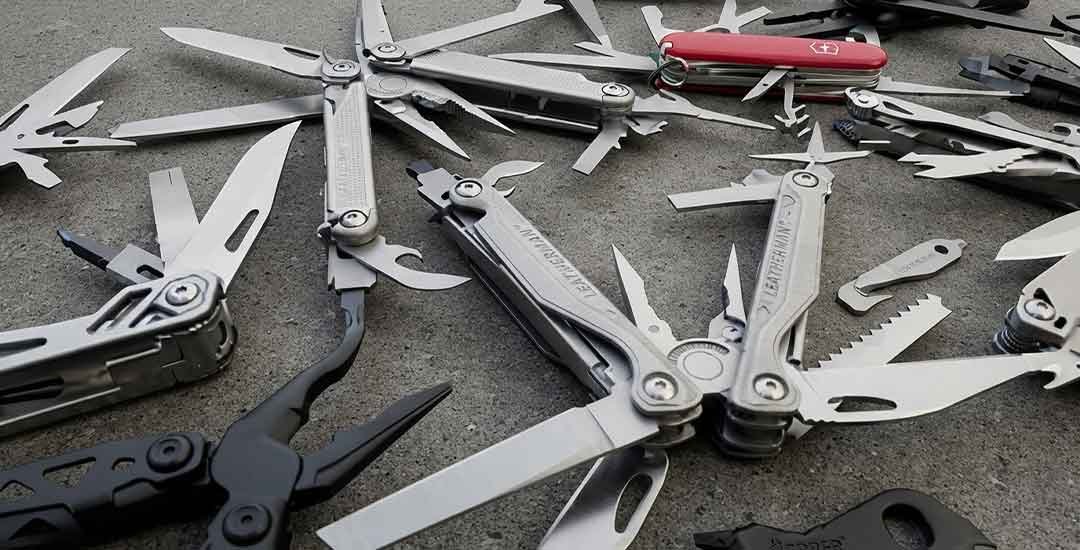
The Leatherman ARC multitool promises premium materials, 20 tools, and



















Civivi nails everyday carry. Smooth action, perfect balance, and clean design. Easily one of the best EDC knives I’ve owned at this price point.