
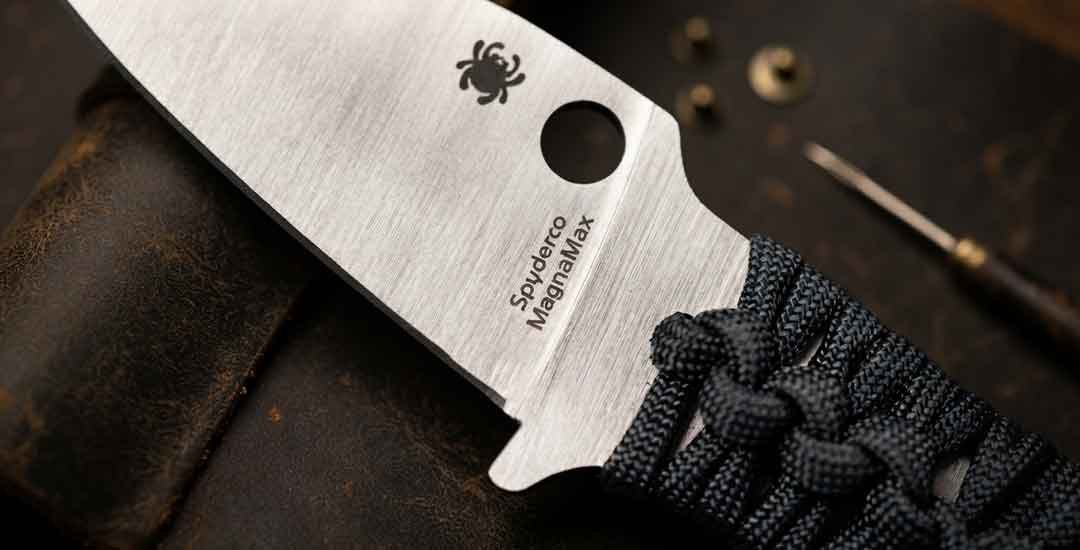
MagnaMax Steel – Everything You Need to Know
MagnaMax is a notable new knife steel that has been
Open a mail package, break down a box, slice an apple at your desk. These small daily tasks are why the everyday carry knife exists. An EDC knife isn’t a weapon or a survival tool first and foremost. It’s a pocket-sized problem-solver that rides with your keys and wallet, ready for whatever the day throws your way.
After years of testing, selling, and carrying dozens of folders across every price range, we’ve learned one thing at American Knife Depot: the “best” EDC knife doesn’t exist as a single product. It’s a match between a knife’s specs and your actual daily habits. Last winter, one of our team members swapped a stonewashed D2 blade for an M390 folder for a month of daily carry in the Pacific Northwest. The D2 developed light surface rust after two rainy commutes. The M390 didn’t show a spot. That’s the kind of real-world difference blade steel makes, and it’s the sort of detail this guide is built around.
This article breaks down everything you need to know before buying your next EDC knife, whether it’s your first or your fifteenth.
EDC stands for “everyday carry.” An EDC knife is a compact folding or fixed-blade cutting tool built for daily tasks rather than combat or heavy outdoor survival work. Think opening envelopes, cutting zip ties, trimming loose threads, or prepping a quick snack.
The definition shifts depending on who’s carrying it. A pocket companion that works great for an office worker might feel undersized for someone doing fieldwork or ranch chores. That’s the beauty of the category: everyday carry gear adapts to the person, not the other way around.
Most everyday carry knives share a few traits:
These aren’t hard rules. They’re starting points. Your ideal EDC knife depends on your daily routine, your job, and honestly, your personal taste.
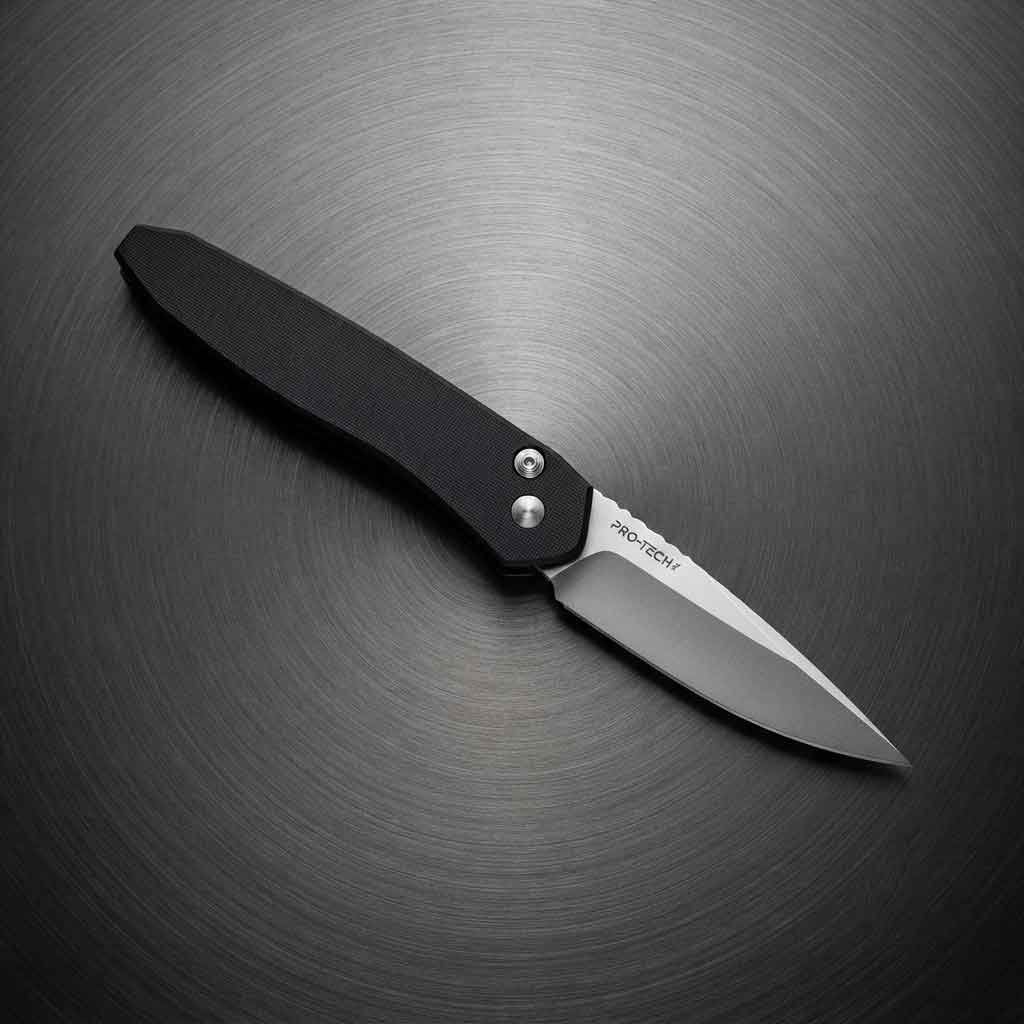
A good pocket knife earns its keep fast. It handles dozens of small jobs a pair of scissors or a multi-tool can’t reach as quickly. Delivery boxes, stubborn packaging, frayed cords, loose splinters — a sharp cutting edge solves these problems in seconds.
There’s also a preparedness angle. Emergencies rarely announce themselves. A dependable folding knife in your pocket means you’re ready to cut a seatbelt, open an emergency kit, or handle an unexpected repair without scrambling for tools. Many EDC enthusiasts treat their knife as part of a broader emergency preparedness kit alongside a flashlight, a lighter, and a basic first-aid pouch.
“The knife you actually carry beats the knife you leave in a drawer.” That’s the first rule we tell every customer at American Knife Depot, and it still holds up after thousands of conversations with EDC enthusiasts, tradespeople, and weekend campers alike.
Not all everyday carry knives work the same way. Understanding the categories helps narrow down what fits your daily needs.
These open by hand, using a thumb stud, thumb hole, or flipper tab. Manual folders are the most common EDC knife style because they’re simple, reliable, and legal in nearly every state. They need no batteries, no springs to wear out, and minimal maintenance beyond regular sharpening.
An assisted-opening knife uses a spring mechanism that kicks in once you start the blade moving manually. The result is a faster, snappier deployment than a standard manual folder. These fall into a legal gray area in some states, so it’s worth checking local regulations before carrying one.
Automatic knives deploy the blade with the push of a button. They’re fast and satisfying to use, but automatic knife laws vary significantly by state. Some states allow open carry, others restrict blade length, and a few ban them outright. Always confirm your state’s rules before adding one to your collection.
Slip joints have no locking mechanism at all. Instead, spring tension holds the blade open during use. These traditional folding knife designs — think classic trapper or jack knife patterns — are lightweight, legal almost everywhere, and carry a certain old-school charm.
Fixed blades skip the folding mechanism entirely, offering more strength and simpler maintenance. They’re less common for pocket carry but popular as neck knives or small belt-carried utility blades for outdoor gear setups and camping equipment loadouts.
Some everyday carry enthusiasts prefer a multi-tool with an integrated blade, pliers, and screwdriver bits. These trade pure cutting performance for broader utility, making them a solid pick for tradespeople and DIY-minded carriers who want a single tool to handle several daily essentials.
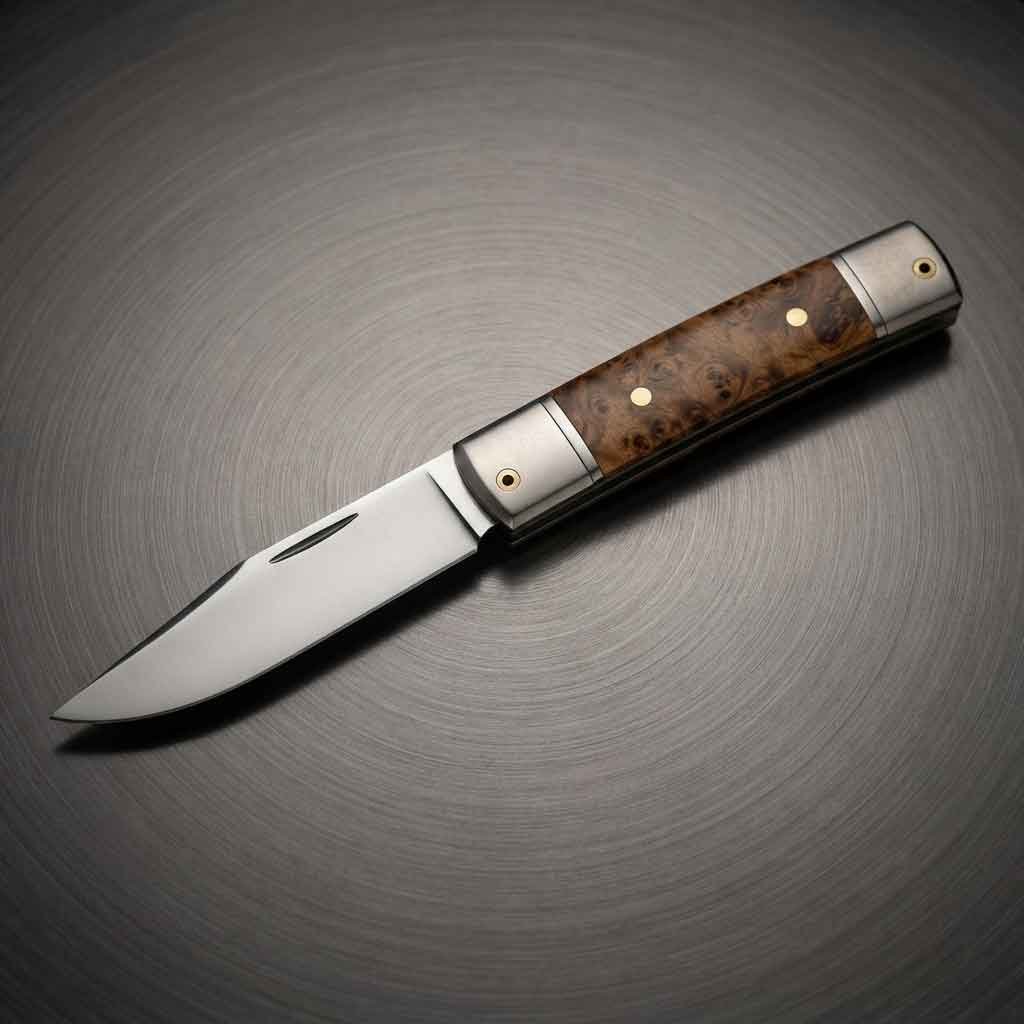
This is where the real decision-making happens. Every EDC knife purchase comes down to a handful of core factors.
Blade length affects both legality and practicality. Most everyday carry knives fall between 2.5 and 3.75 inches. Anything longer crosses into tactical gear or hunting-knife territory, and anything shorter sacrifices cutting ability.
A good rule of thumb: match blade length to your most common task, not your most extreme one. If you’re mostly opening mail and cutting tape, a 2.75-inch blade handles that with ease.
Blade shape determines how a knife performs at specific tasks.
| Blade Shape | Best For | Common On |
| Drop Point | General-purpose cutting, control | Most EDC folders |
| Tanto | Piercing, tip strength | Tactical-style knives |
| Wharncliffe | Precision cuts, controlled slicing | Utility and office EDC |
| Sheepsfoot | Safe cutting without a sharp tip | Rope, straps, rescue tasks |
| Clip Point | Detail work, piercing | Traditional and hunting knives |
Grind matters too. A flat grind slices cleanly and sharpens easily. A hollow grind holds a razor edge but can feel more fragile. Most everyday carry blades use a simple flat or hollow grind because it balances sharpness, durability, and cutting efficiency.
Blade steel is the single biggest factor in long-term performance. It determines edge retention, corrosion resistance, and ease of sharpening.
| Steel Type | Edge Retention | Corrosion Resistance | Sharpening Ease | Price Tier |
| 8Cr13MoV / AUS-8 | Fair | Good | Easy | Budget |
| 154CM / D2 | Good | Fair | Moderate | Mid-range |
| VG-10 / 14C28N / Nitro-V | Good | Very Good | Moderate | Mid-range |
| S30V / S35VN / S45VN | Very Good | Good | Moderate | Premium |
| M390 / 20CV / Elmax / CTS-XHP | Excellent | Excellent | Harder | Premium |
| MagnaCut / CruWear / M4 | Excellent | Excellent (MagnaCut) to Fair (M4) | Harder | Premium |
| LC200N | Excellent | Best-in-class (near rustproof) | Harder | Premium |
Budget steels like 8Cr13MoV are easy to sharpen and perfectly fine for light daily tasks. Premium steels like MagnaCut or S35VN hold an edge far longer but cost more and take extra effort to resharpen. LC200N stands out for anyone who works in saltwater or high-humidity environments, since it resists corrosion better than almost any other blade steel on the market — the kind of wear-resistant steel worth paying extra for if your daily routine includes wet conditions. For most people, a mid-range steel like 154CM or VG-10 hits the sweet spot between performance and value.
Handle material affects both grip and durability.
Ergonomics matter just as much as material. A well-designed handle includes a comfortable palm swell, jimping (small grip grooves) for thumb placement, and a finger choil for control near the blade. A fatigue-free grip is the difference between a knife you reach for daily and one that sits in a drawer. If a knife feels awkward in a five-second hand test, it’ll feel worse after a week of daily use.
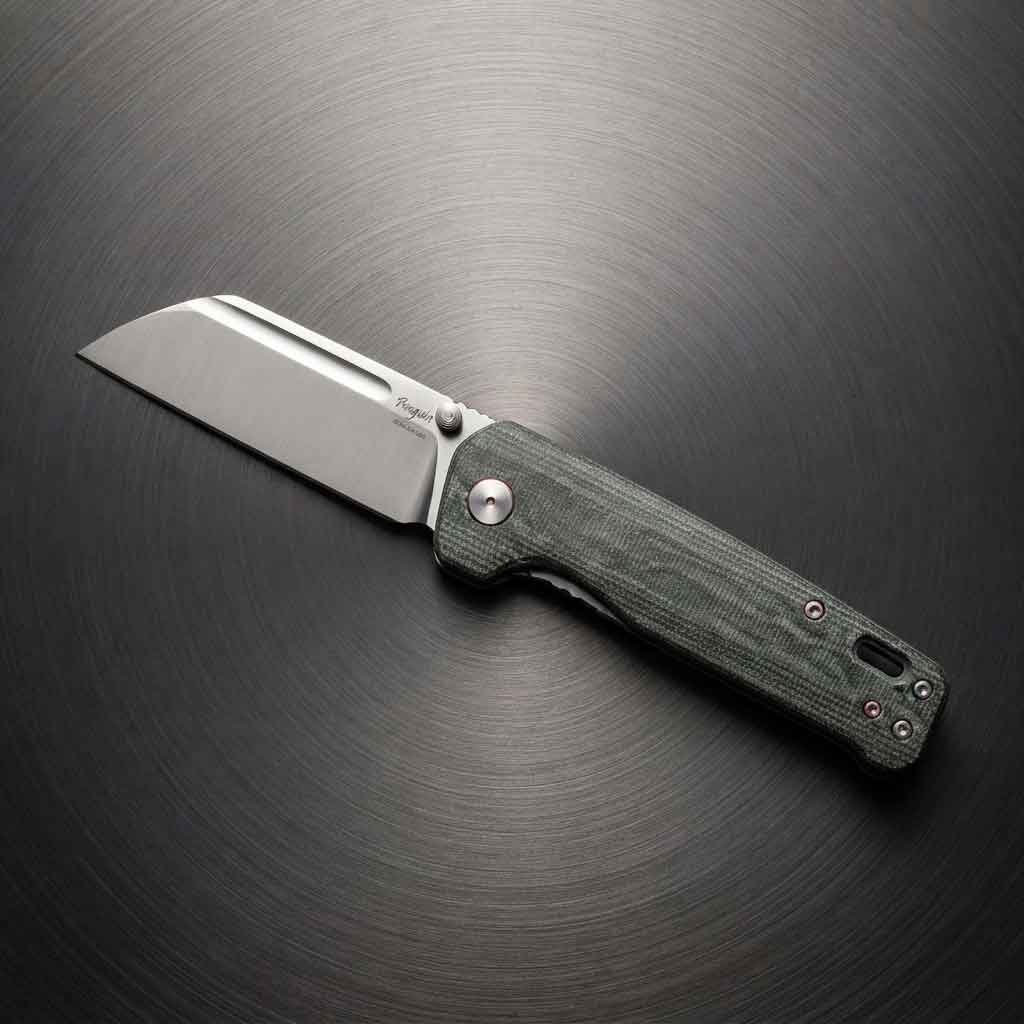
The lock keeps the blade open during use. Here’s how the main types compare:
None of these is objectively “best.” A frame lock offers serious lockup strength for hard use, while a slip joint keeps things simple and legal-friendly for casual carry.
How a knife opens affects speed and convenience.
Smoothness comes down to the pivot system. Ball-bearing pivots and ceramic bearings generally deploy faster and more smoothly than phosphor-bronze washers, though well-tuned washers can still perform beautifully.
The pocket clip determines how discreetly and comfortably a knife rides in your pocket. Tip-up carry lets you draw and open the knife in one motion. Tip-down carry keeps the pivot accessible first. Reversible clips accommodate left- and right-handed carry, which is a small detail that makes a big daily difference. A deep carry clip buries most of the handle below the pocket line for a more discreet carry profile.
A heavy knife feels substantial but can become a nuisance after hours in your pocket. Balance matters too — a knife balanced near the pivot feels more controlled during cutting tasks than one that’s blade-heavy or handle-heavy.
Compact, lightweight blades with a discreet clip work best here. A 2.5 to 3-inch drop point or wharncliffe covers 90% of desk and errand tasks without drawing attention.
Slightly larger blades with tougher steel handle rope, kindling, and food prep at the campsite. A drop point around 3 to 3.5 inches with good corrosion resistance is a smart pick for hikers building out their outdoor gear and bushcraft gear kits.
Fieldwork often calls for a fixed blade or a sturdy folder with a clip point for detail work. Corrosion resistance matters more here since blood, moisture, and dirt are constant factors.
Durability wins over elegance. A tougher steel, a strong lock, and a comfortable grip matter more than premium materials when a knife is put to daily abuse on a job site.
Budget knives, typically under $50, use simpler steels and handle materials but still get the job done for light daily tasks. Premium knives, often $100 and up, bring better steel, refined fit and finish, and materials like titanium or carbon fiber.
Neither is objectively wrong. A $30 knife with 8Cr13MoV steel handles mail and boxes just fine. A $150 knife with S35VN steel and titanium construction makes more sense for someone who uses their blade daily and wants long-lasting sharpness with minimal resharpening. American Knife Depot’s budget EDC knife collection and premium folding knife lineup sit side by side, making it easy to compare value picks against collector-grade pieces in one place.
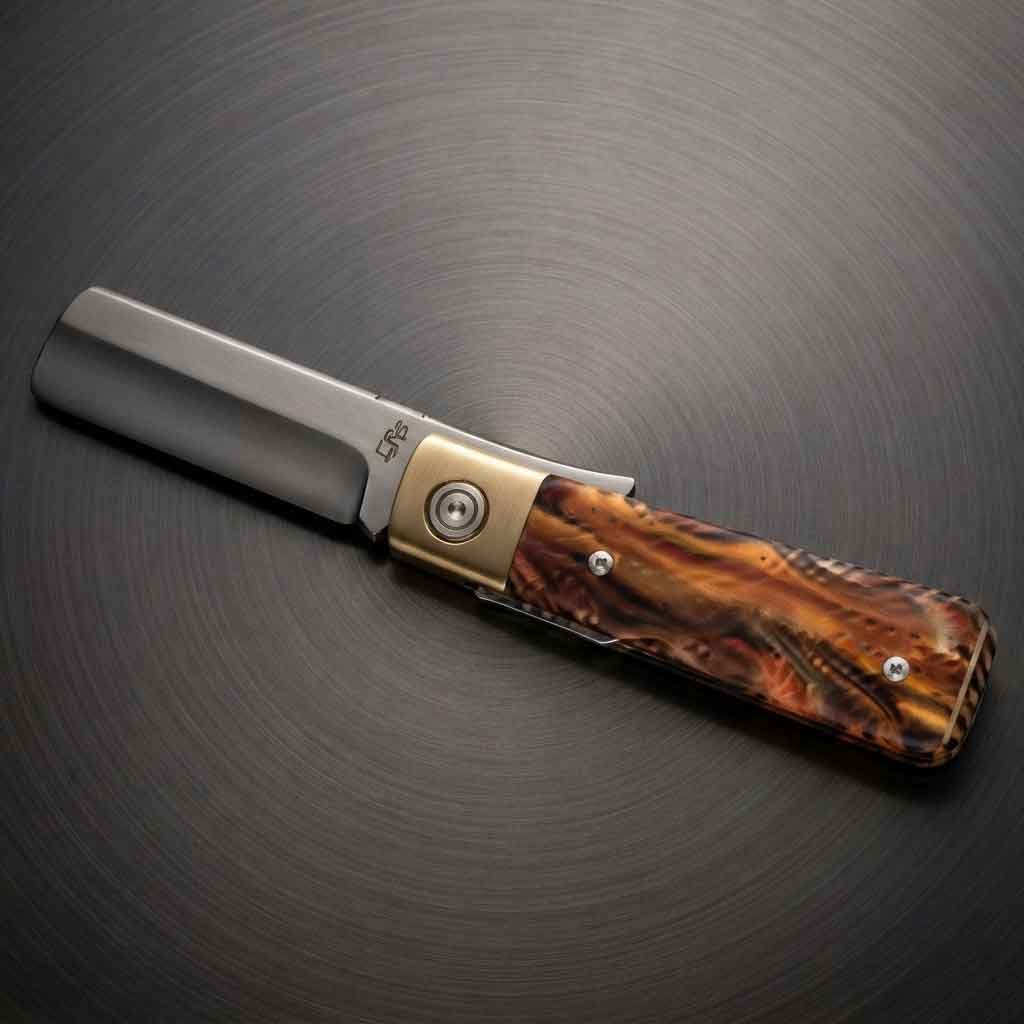
Certain manufacturers have earned their reputation through consistent quality:
American Knife Depot stocks these trusted names and more, offering shoppers a curated selection rather than an overwhelming, unvetted marketplace.
Most EDC blades sharpen well at a 15 to 20-degree angle per side. A simple whetstone or guided sharpening system keeps the edge fresh without much hassle.
A drop of light oil on the pivot every few months keeps deployment smooth. Wipe the blade clean after use, especially after food prep.
Dry the blade fully before pocketing it, and avoid leaving it damp for long stretches. Higher corrosion-resistant steels like VG-10, LC200N, or M390 handle moisture better than carbon-leaning steels like D2 or M4.
A knife that’s been sharpened down significantly, developed loose blade play, or cracked handle scales is due for retirement. Regular maintenance dramatically extends life, but nothing lasts forever.
Knife laws vary widely across the United States. Some states cap blade length, some restrict automatic knives, and a few have specific rules about carry location (open vs. concealed). Always check your state and local regulations before carrying, especially when traveling.
Responsible, informed carry keeps the everyday carry community in good standing. That means knowing your local laws, keeping your blade maintained and safe to handle, and using discretion in public settings. Knife safety isn’t just a legal issue — it’s part of being a considerate EDC enthusiast.
What is the best blade length for an EDC knife?
Most people find 2.5 to 3.5 inches ideal for everyday tasks and broad legal compliance.
Is a fixed blade or folding knife better for EDC?
Folding knives win for discreet daily carry. Fixed blades offer more strength for fieldwork or heavier use.
What’s the best steel for everyday carry? Mid-range steels like VG-10 or 154CM balance edge retention, ease of sharpening, and cost well for most users. Those in areas near water or with humid climates should consider the LC200N or the M390.
Are assisted-opening knives legal to carry?
It depends on the state. Always verify local laws before carrying an assisted or automatic knife.
How often should I sharpen my EDC knife?
Light users can go weeks between touch-ups. Daily heavy use may call for weekly maintenance.
Manual vs. automatic — which is better for daily use?
Manual folders are simpler, more widely legal, and require less mechanical upkeep, making them the safer default choice for most everyday carriers.
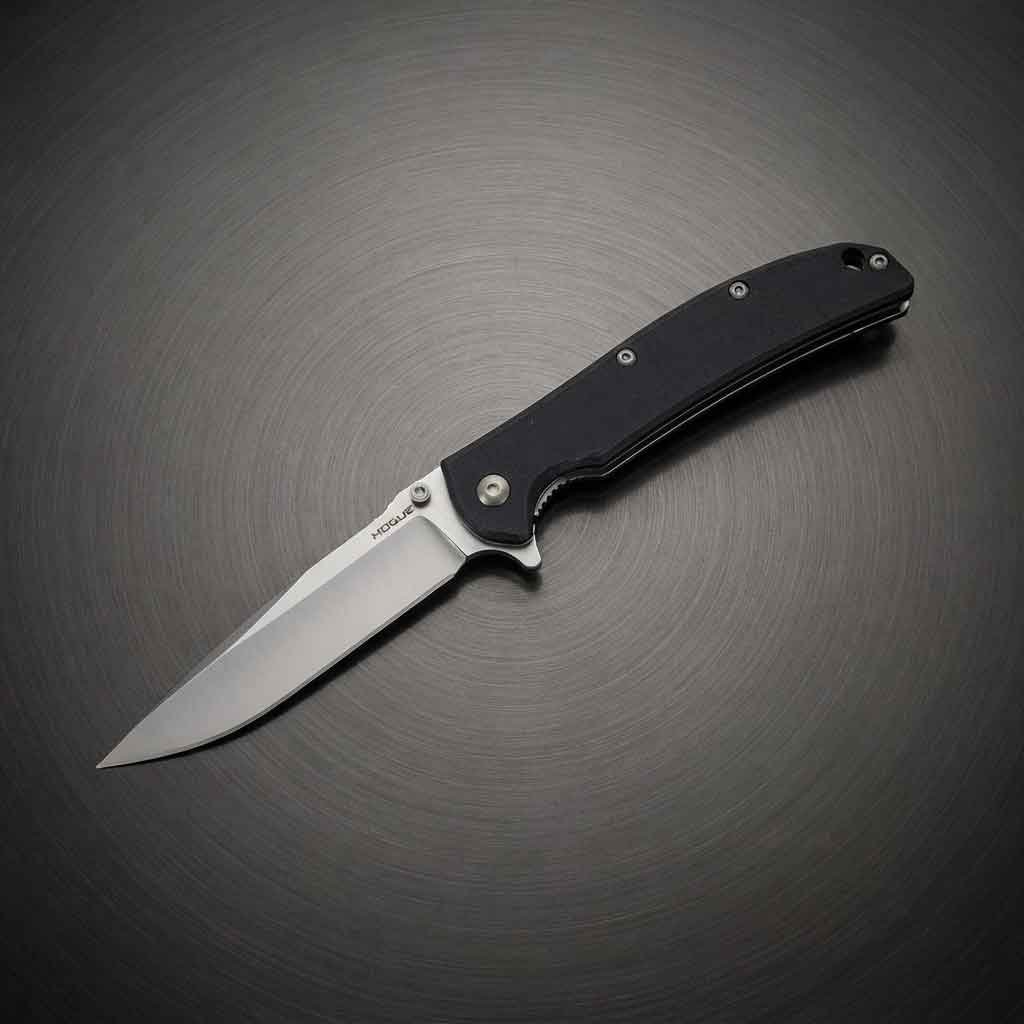
There’s no single “best” EDC knife — only the best knife for your specific routine. Someone working a desk job needs something different than a hunter, a tradesman, or a weekend camper. What matters is matching blade steel, size, lock type, and handle material to how you actually live your day.
American Knife Depot makes that matching process easier. With over 13,000 products across 60+ categories and trusted brands like Gerber, Kershaw, Ka-Bar, Civivi, Zero Tolerance, SOG, CRKT, and Bradford Knives, there’s a curated option for budget shoppers and serious collectors alike. Backed by a 4.8-star rating from more than 13,700 verified reviews, American Knife Depot has built its reputation on quality, reliability, and real everyday carry expertise.
Ready to find your perfect everyday carry knife? Browse American Knife Depot’s full EDC knife collection today and discover why thousands of customers trust their gear.
Need help narrowing down your options? Reach out to American Knife Depot’s team for expert guidance on blade steel, lock type, and the right knife for your lifestyle.
MagnaMax is a notable new knife steel that has been
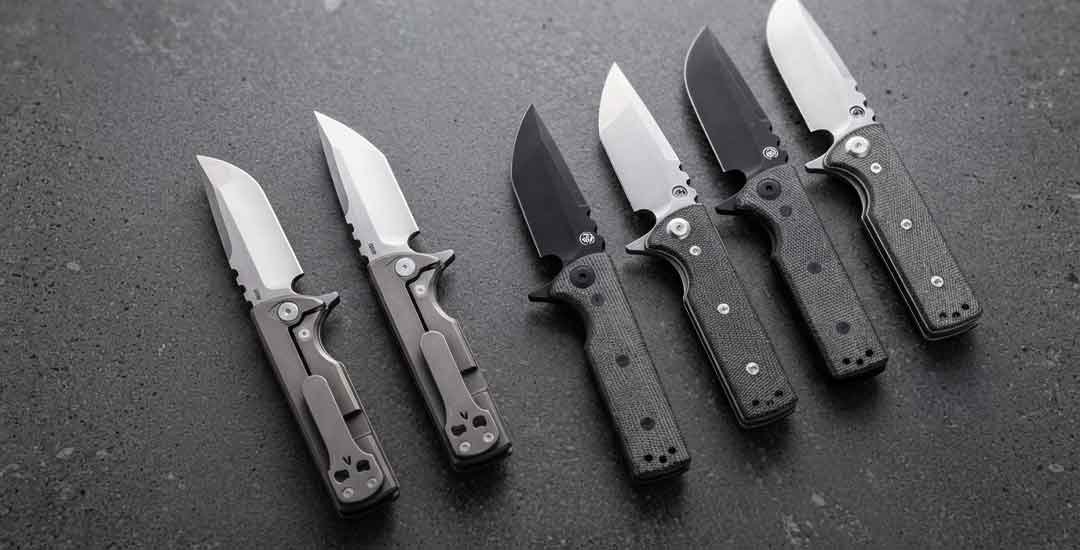
The history of Chaves Knives begins with one maker, basic
![Rated: 15 Best OTF Knives of 2026 [By Category]](https://americanknifedepot.com/wp-content/uploads/2026/09/Featured-Image-7.jpg)
Finding the best OTF knife is less about chasing the
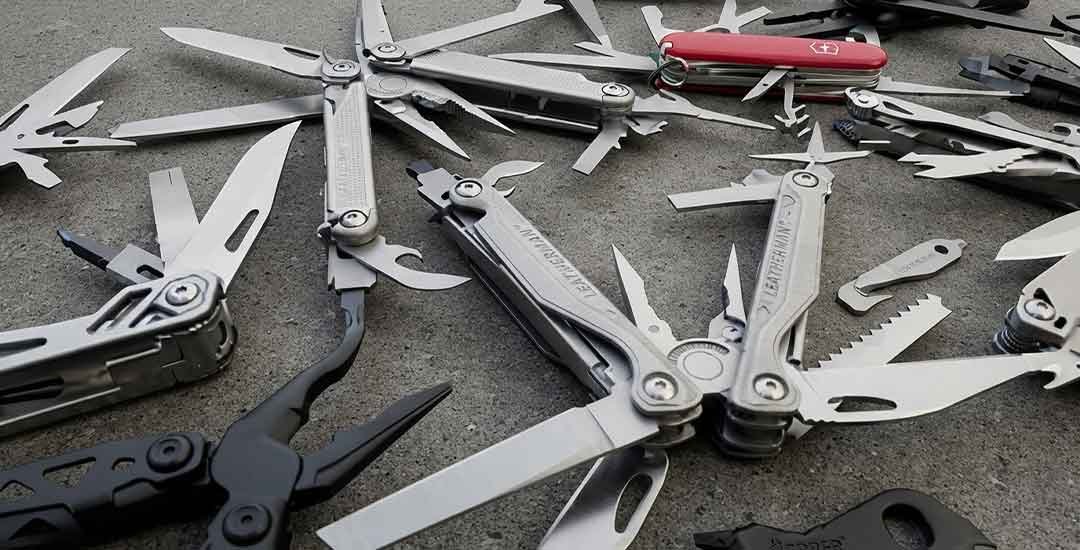
The Leatherman ARC multitool promises premium materials, 20 tools, and
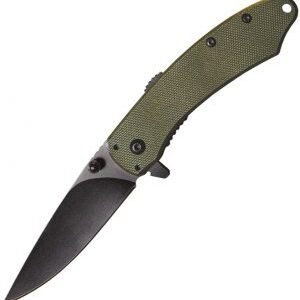
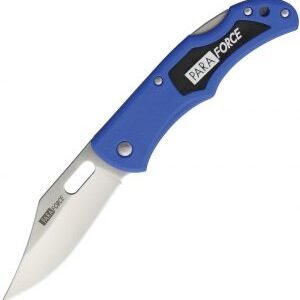
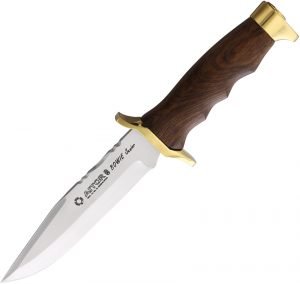
















Civivi nails everyday carry. Smooth action, perfect balance, and clean design. Easily one of the best EDC knives I’ve owned at this price point.