
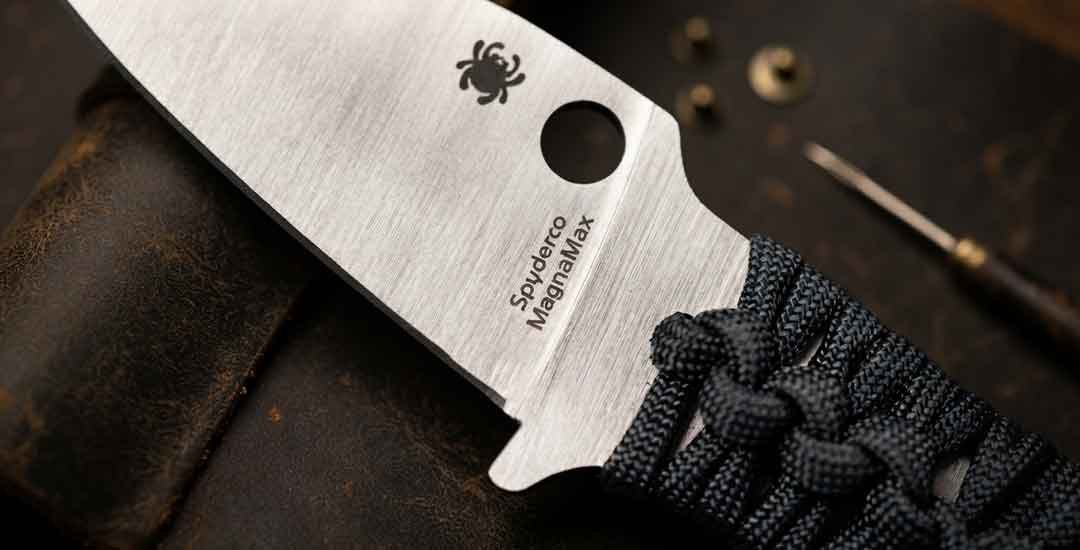
MagnaMax Steel – Everything You Need to Know
MagnaMax is a notable new knife steel that has been
Carrying a fixed blade EDC knife used to feel like a niche move. Not anymore. More people are ditching bulky folders for something simpler: a solid, no-fuss blade that rides in the pocket, on the belt, or around the neck without any fuss. If you’ve ever fumbled with a stiff pocket knife hinge at the worst possible moment, you already get the appeal of an everyday carry knife with no moving parts to fight.
Consider this your buying guide for choosing the right fixed blade everyday carry knife, whether you’re picking a first blade or upgrading your setup. We’ll cover blade steel, sheath styles, carry methods, and the picks worth your money. Along the way, we’ll also touch on what makes a sheath with a pocket clip design actually worth carrying instead of leaving on the shelf. American Knife Depot carries trusted names like Gerber, Kershaw, Ka-Bar, Civivi, Zero Tolerance, and Bradford Knives, so we’ll lean on that lineup to point you toward real fixed blade EDC options instead of vague advice.
A fixed blade EDC knife is a single-piece blade with no folding mechanism, small enough and light enough to carry every single day like you would a pocket knife alternative. That’s the whole idea. No hinge, no lock to check, no wiggle room.
Here’s the distinction that matters: a five-inch hunting knife strapped to your hip on a hiking trip isn’t really an EDC fixed blade. It’s a camping fixed blade someone happens to be wearing that day, not a daily carry piece. A true pocket fixed blade earns its spot in your rotation because it’s comfortable enough to wear into the office, the grocery store, or a coffee shop without anyone noticing. The best EDC fixed blade options all share that same quiet, low-key carry feel.
Fixed blade knives EDC culture has grown fast because they solve a real problem. Folding pocket knives have moving parts that wear out. A fixed blade doesn’t. You get a stronger blade-to-handle connection, easier cleaning, and one less thing that can fail when you actually need to cut something. Think of it as a compact survival knife shrunk down for city life rather than the backcountry.
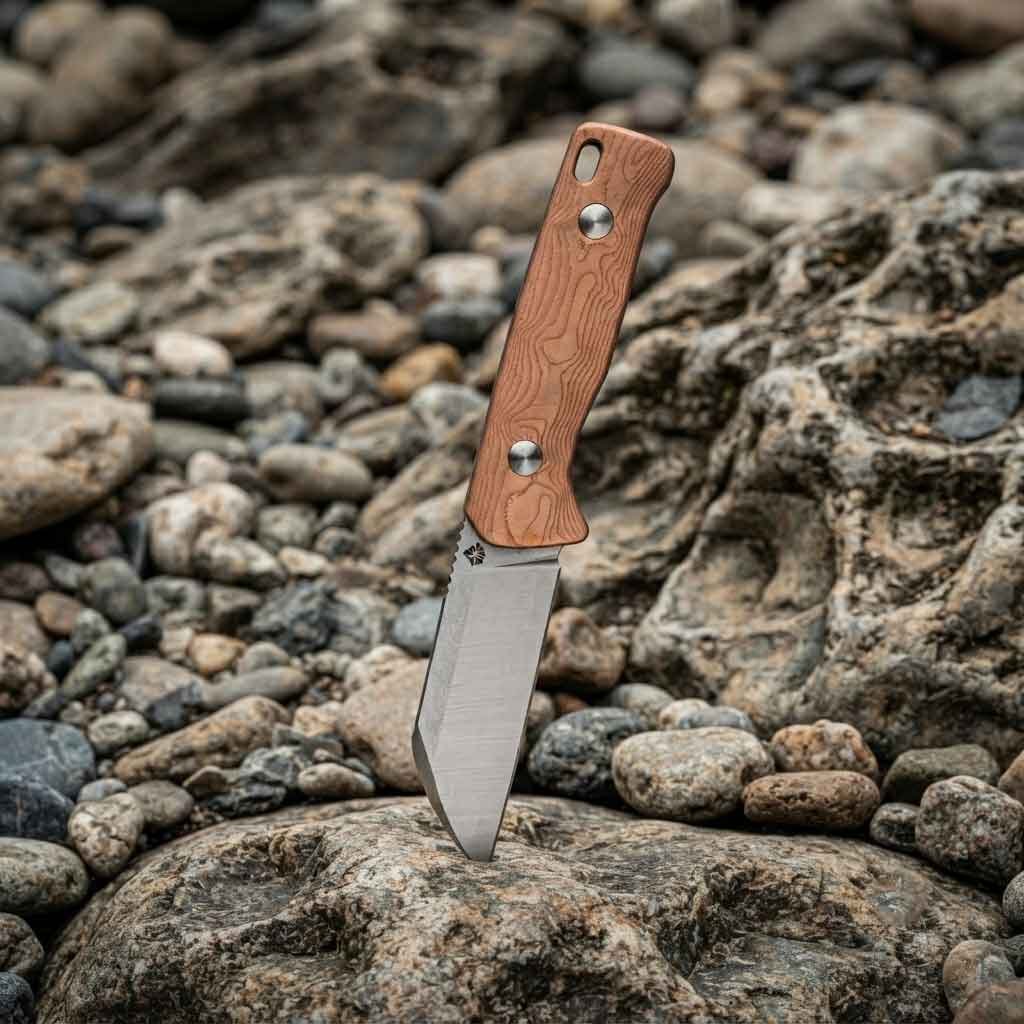
Not every small knife makes a good EDC fixed blade. After testing dozens of options across price points, a handful of factors separate a genuinely hard-use knife from the ones that just look good on a shelf. A compact fixed blade with the right build quality outperforms a bigger, flashier blade every time you actually reach for it.
Most everyday carry fixed blade knives fall between 2 and 3.5 inches. Go much longer, and you start printing through your pants or fighting with pocket profile and pocket real estate. Go much shorter, and you lose cutting leverage on bigger tasks like breaking down boxes.
Anything under 3 ounces disappears in your pocket. Push past 5 ounces, and you’ll notice it dragging your waistband by 3 p.m. Weight matters more than people expect until they’ve worn a heavy knife through a full workday of hard use.
This is the piece most buyers overlook, and it’s the piece that decides whether you’ll actually carry the knife tomorrow. A great blade in a clunky sheath gets left in a drawer. A modest blade in a smart, low-profile sheath with good sheath retention gets carried every day.
Blade geometry, meaning the shape of the edge and the angle behind it, decides how a knife actually cuts. A slim profile, lightweight fixed blade with tight behind-the-edge geometry slices cleanly through paper and cardboard. A thicker blade spine adds strength but can feel slower on wide, flat materials, which is why a small fixed blade knife built for cutting tasks needs the right geometry, not just a sharp edge.
| Feature | Why It Matters | What to Look For |
| Blade length | Comfort and cutting leverage | 2″–3.5″ for daily carry |
| Weight | All-day comfort | Under 3 oz ideal |
| Sheath style | Determines how well it hides in the pocket | Taco-style Kydex or slim leather |
| Clip type | Controls draw speed and retention | Open-ended clip or titanium pocket clip |
| Steel | Balances edge retention and upkeep | Stainless for low maintenance |
| Grip | Comfort during hard use | Three-finger or four-finger grip |
Steel choice sounds technical, but it boils down to one tradeoff: how long the edge stays sharp versus how easy the blade is to touch up. HRC, or Rockwell hardness rating, gives you a rough sense of that balance. Higher HRC generally means better edge retention but a bit more effort to resharpen.
If you split your time between camp cooking and city errands, a stainless option like MagnaCut or Nitro-V saves you maintenance headaches. If you’re building a bushcraft-leaning kit, 1095 still earns its keep as a hard-use blade steel.
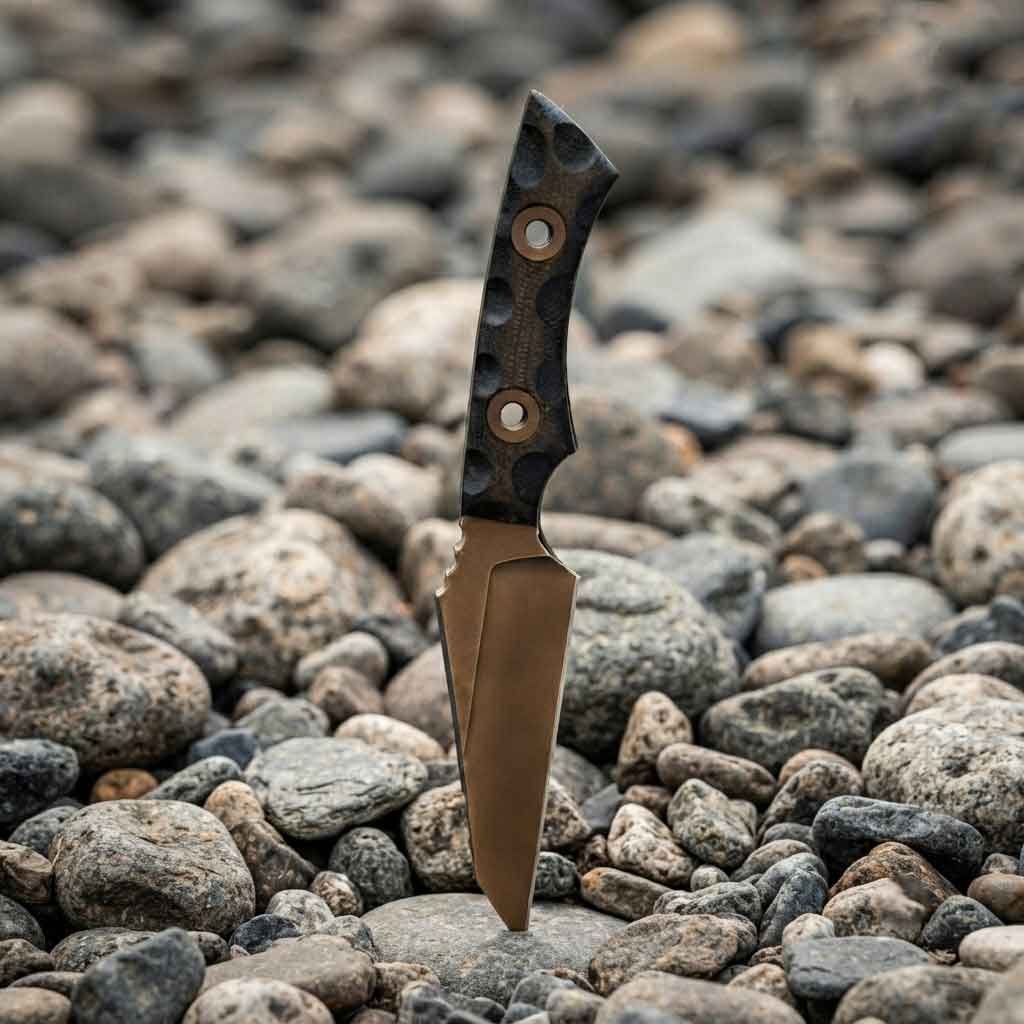
Blade shape changes how a knife actually performs, not just how it looks.
Grind matters too. A chisel grind sharpens on one side only and holds a razor edge for fine work. A hollow grind carves a concave curve into the blade for effortless slicing. A compound grind blends two bevel angles, adding strength behind the edge for tougher materials. Some blades even add a swedge, a secondary grind near the spine that thins the tip for better piercing without weakening the main edge.
The handle decides how secure a knife feels in a three-finger grip or a full four-finger grip, and it affects how well the blade handles wet or sweaty conditions.
Full tang construction, where the steel runs the complete length of the handle, adds strength and balance. Some compact designs use an exposed tang instead, which trims weight but can dig into the palm during hard use without a lanyard.
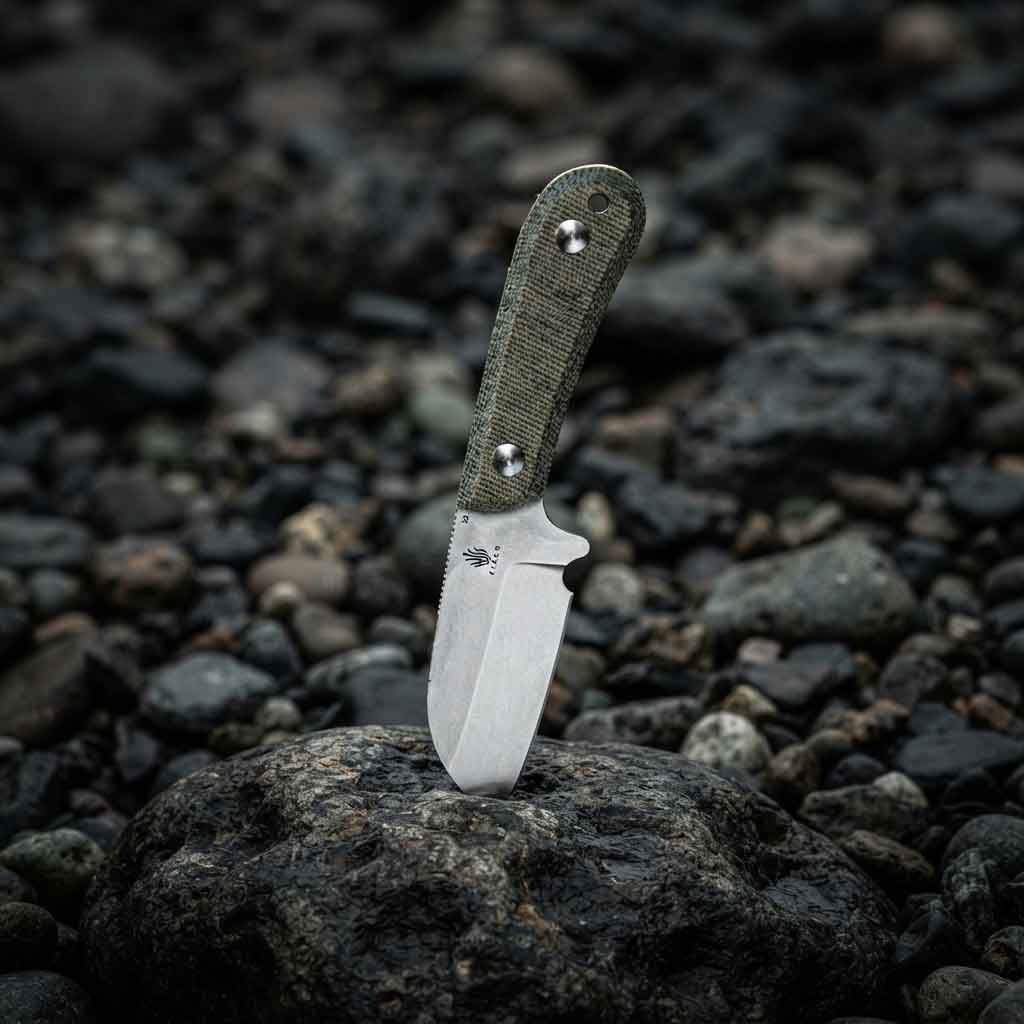
Here’s where the rubber meets the road. These categories reflect what actually separates a great fixed blade EDC knife from a mediocre one, and each one points you toward the kind of build quality American Knife Depot stocks across its Gerber, Kershaw, Ka-Bar, Civivi, and Zero Tolerance lineups.
Look for a full tang blade around 2.5–3 inches, a stainless steel like MagnaCut or S35VN, and a slim Kydex sheath with a pocket clip. This combination handles daily tasks without demanding constant sharpening.
A drop point blade with a three-finger grip works across the widest range of chores, from opening packages to prepping a quick camp meal. Versatility beats specialization for most everyday carry situations.
A magnetic or taco-style Kydex sheath with an open-sided clip wins here. It slips in and out of the pocket fast, offers strong sheath retention, and doesn’t fight you when other items share the same space.
D2 steel paired with G10 or Micarta handle scales delivers serious performance without a premium price tag. It’s the sweet spot for anyone new to fixed blade EDC carry.
Brands like Bradford Knives build fixed blades with tighter tolerances, refined ergonomics, and premium steels like MagnaCut. These knives cost more, but the fit and finish show it.
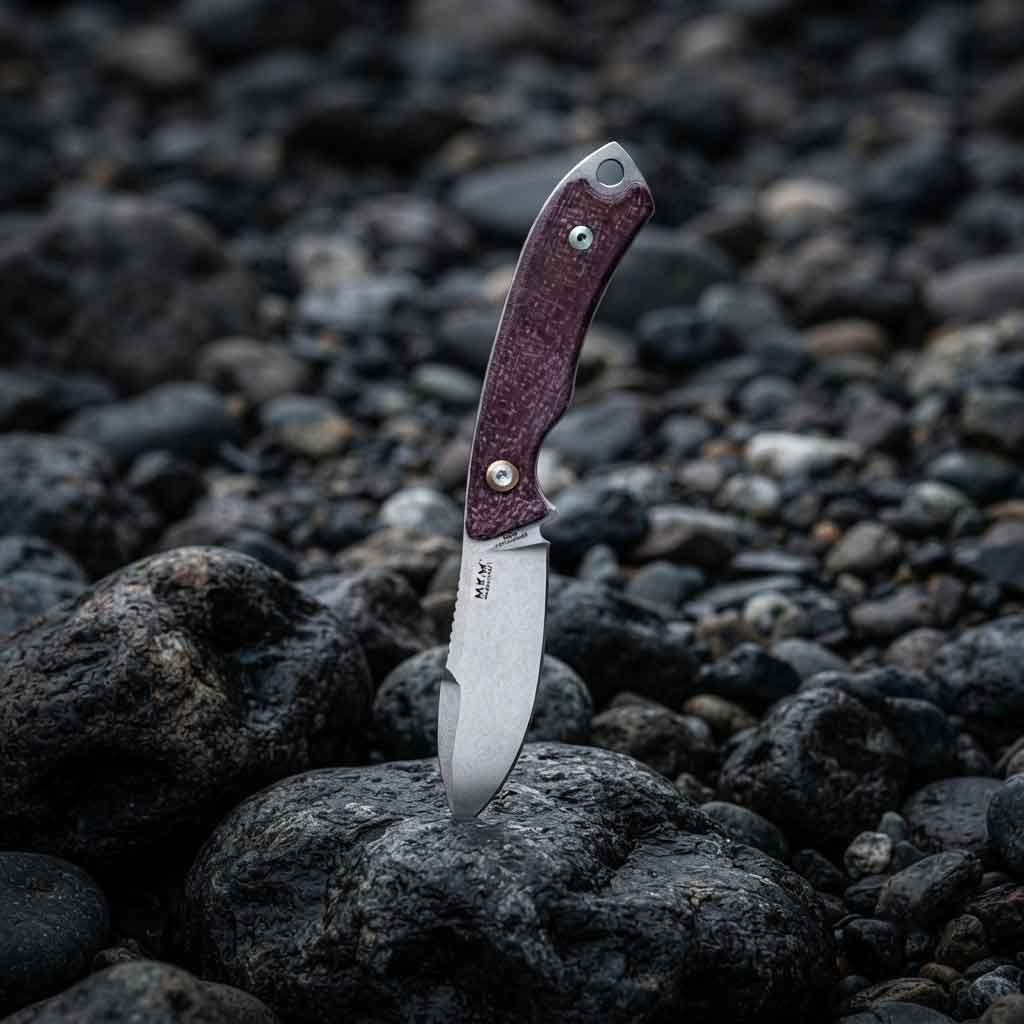
A slightly longer blade, closer to 3.5 inches, with a high-carbon steel like 1095, handles both EDC tasks and light bushcraft work without missing a beat. It’s a solid overlanding companion too, since it doubles easily for food prep at camp.
Sub-2.5-inch blades in a slim leather slip sheath carry almost invisibly. Perfect for anyone who wants a backup blade or a low-profile everyday option.
A pancake-style Kydex sheath with a strong titanium clip supports inside waistband or appendix carry without printing through clothing, making it a smart concealed carry fixed blade for anyone who prioritizes discretion.
“The sheath decides whether a knife gets carried or gets left in a drawer.” That’s the single biggest lesson from years of testing fixed blade EDC knives side by side.
Carry method changes everything about comfort and access.
One more note on fit: sheaths aren’t always one-size-fits-all when it comes to hand dominance. Some brands sell separate right-handed carry and left-handed carry versions, since a southpaw carrier needs the clip and draw angle mirrored for a smooth, easy draw.
Taco-style Kydex sheaths use two curved pieces to “hug” the blade from both sides, leaving more room in the pocket. Pancake-style sheaths press flatter against the body, better suited for belt or IWB carry.
A leather slip sheath rides loose with no clip, while a leather sheath with a sewn-in clip functions closer to a fixed blade pocket knife you’d carry the same way as a folder. Leather looks sharp, but expect a break-in period before the draw feels effortless.
Lightweight and low-maintenance, polymer sheaths often pair with a traditional pocket clip for straightforward, no-nonsense carry and easy deployment.
A magnetic leather sheath can stick to metal surfaces during use, which is a small but genuinely useful feature when your hands are full during food prep or fieldwork.
Aftermarket clips worth knowing: An Ulticlip adds serious retention to almost any sheath and works well for anyone who wants a tighter, high-retention grip on the pocket without buying a whole new setup. Some carriers also add MOLLE-compatible backing plates for belt or pack mounting.
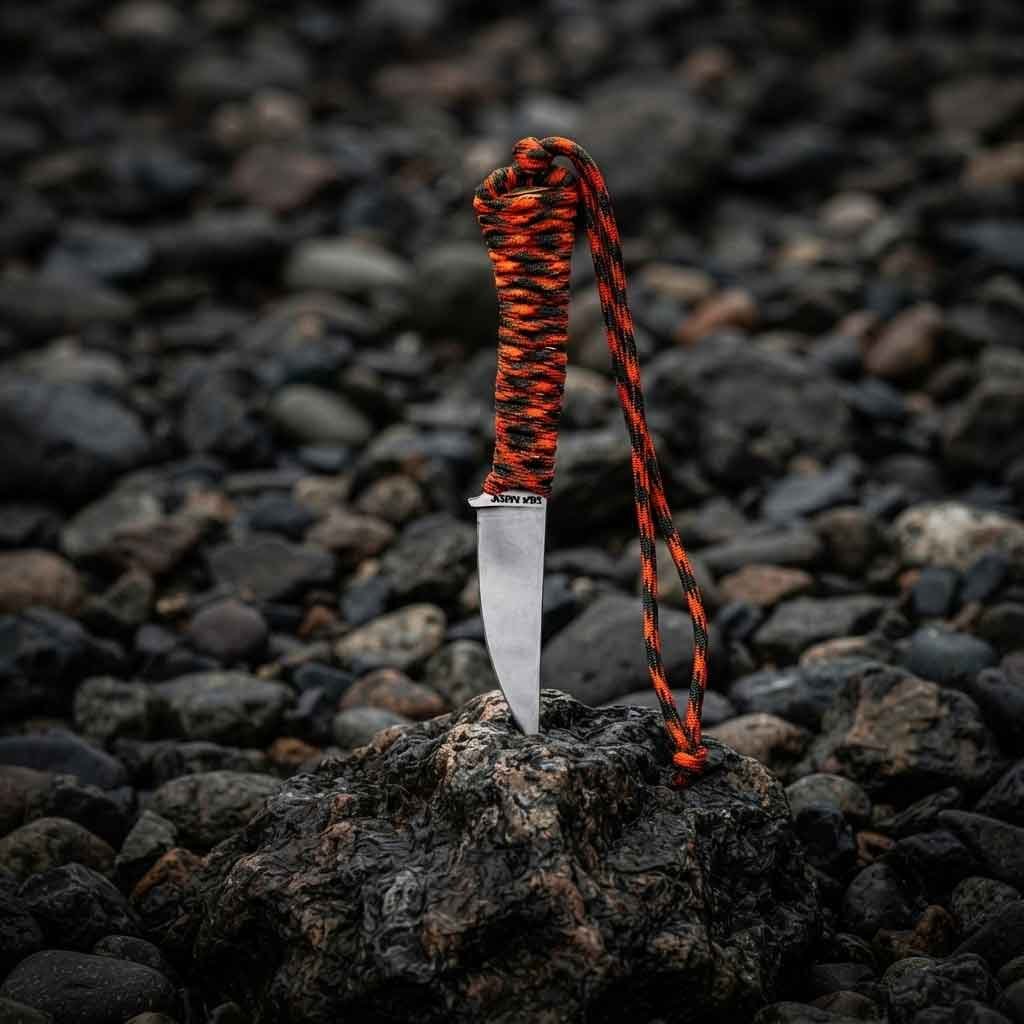
Folding knives win on legal simplicity in some states and offer a familiar, compact profile. Fixed blades win on strength, reliability, and speed of deployment since there’s no lock to disengage. Plenty of EDC carriers run both: a folder for quick tasks and a fixed blade EDC knife as backup or primary, depending on the day.
Knife laws vary a lot by state and even by city, so don’t assume your fixed blade is automatically fine for concealed carry everywhere. Blade length limits, concealment rules, and workplace policies all come into play. This isn’t legal advice, just a nudge to check your local statutes before you carry, especially with any concealed carry knife.
What is the best steel for an EDC fixed blade?
Stainless options like MagnaCut, Nitro-V, and S35VN offer the best balance of edge retention and low maintenance for daily use.
Can you conceal carry a fixed blade knife?
In many states, yes, though rules vary. Always check local laws before carrying a concealed fixed blade.
What’s the best fixed blade knife for beginners?
A D2 or AEB-L steel blade with a simple Kydex sheath offers strong performance without a steep learning curve.
How do you wear a fixed blade knife in your pocket?
Most carriers use a taco-style Kydex sheath with an open-sided clip, which rides just like a folding pocket knife.
What size fixed blade is best for everyday carry?
Between 2 and 3.5 inches hits the sweet spot for comfort and cutting power.
Is a fixed blade knife better than a folding knife for EDC?
It depends on your priorities. Fixed blades offer more strength and faster deployment, while folders offer a more compact, low-profile carry option.
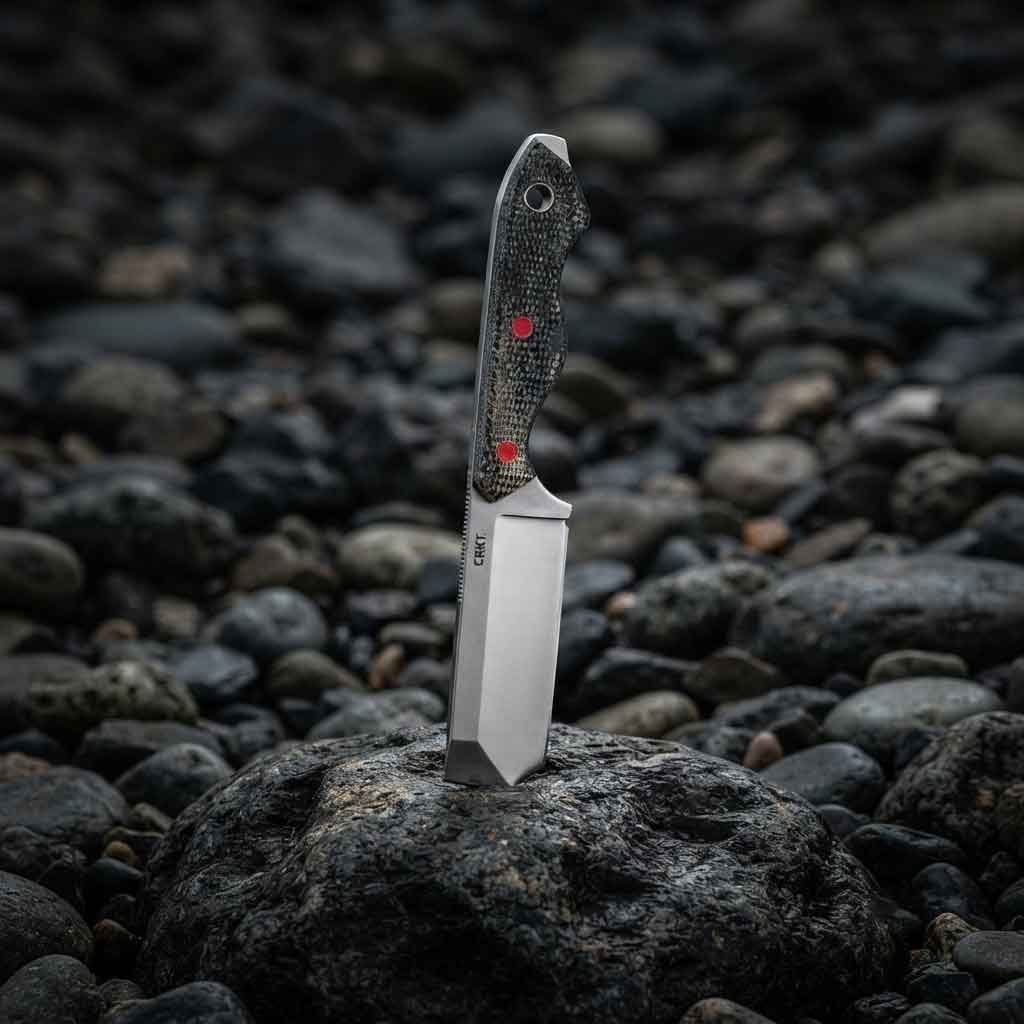
Choosing the right fixed blade for EDC comes down to a few things: the right steel for how you actually use it, a sheath that disappears into your daily routine, and a size that never feels like a burden. Get those right, and you’ll reach for that knife every single day instead of leaving it in a drawer.
American Knife Depot stocks fixed blade EDC knives from Gerber, Kershaw, Ka-Bar, Civivi, Zero Tolerance, and Bradford Knives, backed by a 4.8-star rating from over 13,700 verified customers. Whether you’re after a budget-friendly starter blade or a premium collector-grade piece, the selection covers every use case and price point.
Ready to upgrade your everyday carry? Browse the full fixed blade EDC collection at American Knife Depot and find the blade that fits your pocket and your lifestyle.
Still not sure which steel or sheath style fits your routine? Reach out to the American Knife Depot team for personalized recommendations backed by real product expertise.
MagnaMax is a notable new knife steel that has been
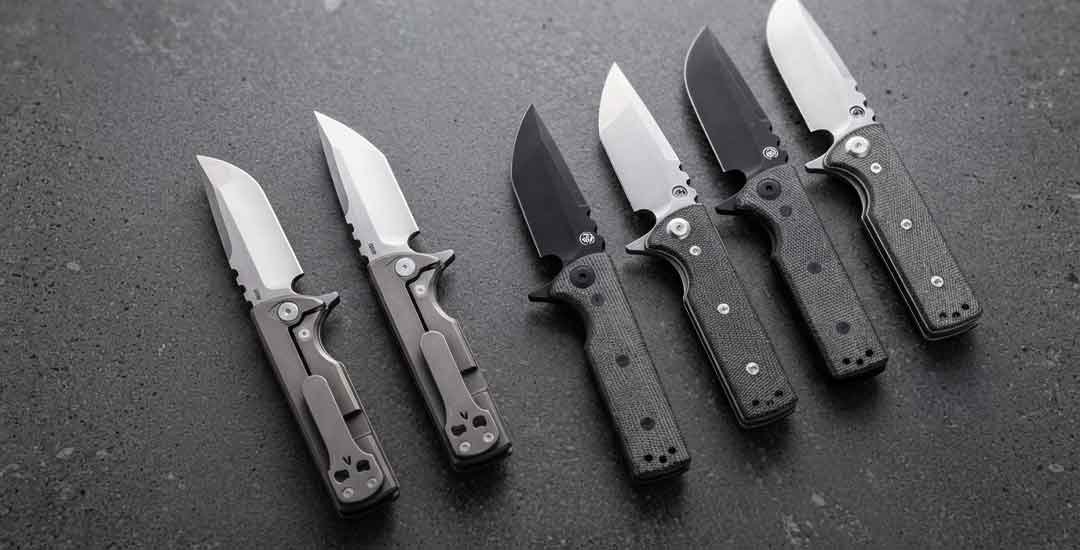
The history of Chaves Knives begins with one maker, basic
![Rated: 15 Best OTF Knives of 2026 [By Category]](https://americanknifedepot.com/wp-content/uploads/2026/09/Featured-Image-7.jpg)
Finding the best OTF knife is less about chasing the
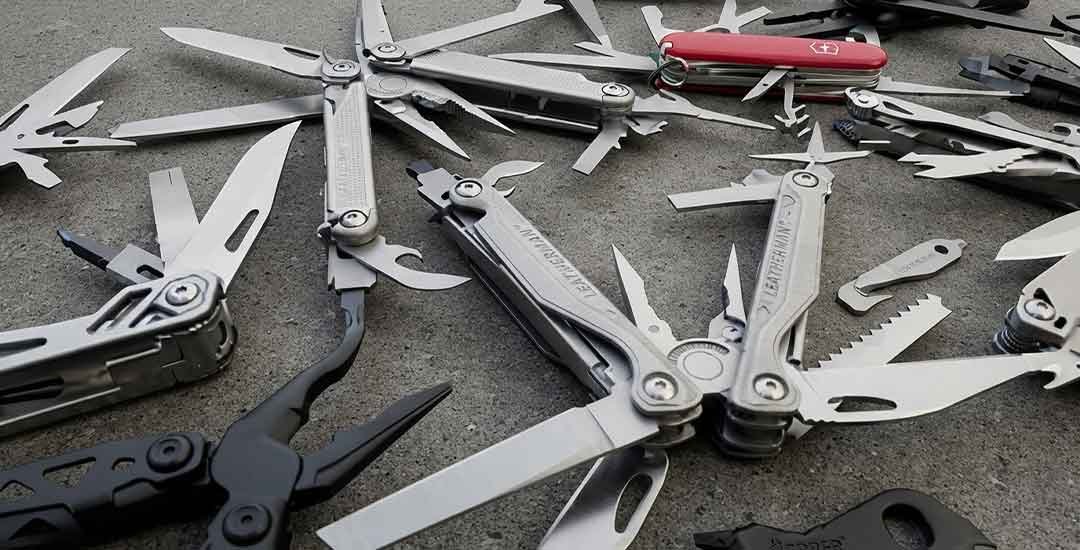
The Leatherman ARC multitool promises premium materials, 20 tools, and















Civivi nails everyday carry. Smooth action, perfect balance, and clean design. Easily one of the best EDC knives I’ve owned at this price point.