
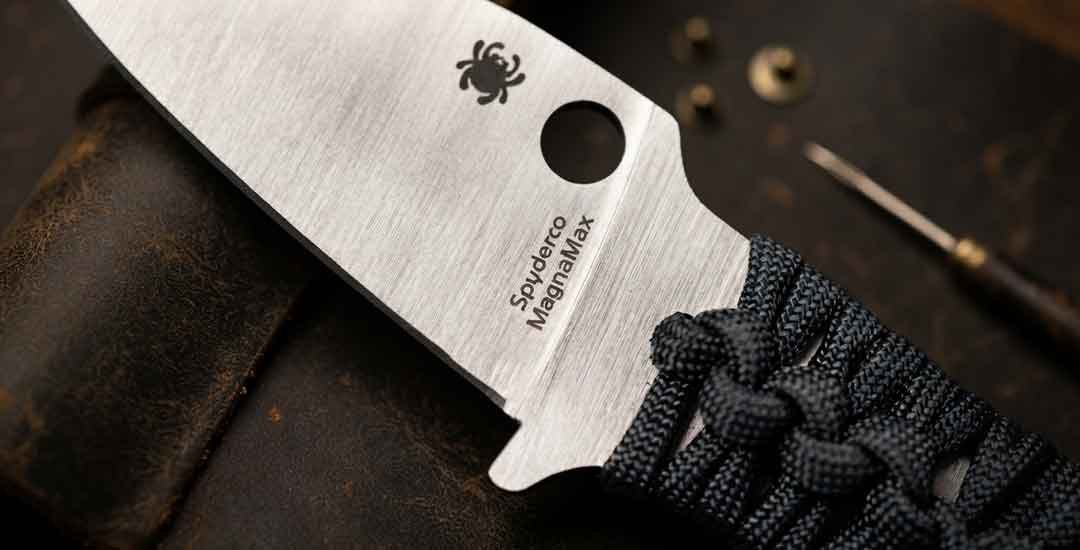
MagnaMax Steel – Everything You Need to Know
MagnaMax is a notable new knife steel that has been

If you’ve ever sliced a tomato with a dull knife, you know the struggle. It squishes instead of cutting. It’s frustrating, and honestly, it’s dangerous too. A sharp Japanese knife fixes that problem in one swipe. We’ve spent months testing, comparing, and living with the best Japanese knife sets on the market, and we’re sharing everything we’ve learned in this roundup of Japanese knife reviews.
This isn’t a list we threw together after a quick Google search. We’ve handled these blades, sliced onions until our eyes watered, and diced enough tomatoes to fill a salad bowl the size of a bathtub. Some knives impressed us instantly. Others needed a few weeks in the regular kitchen rotation before we fully trusted them. That kind of hands-on testing is what separates a genuine Japanese chef knife review from a copy-paste listicle.
So grab a coffee, and let’s get into it.
We test every set on this list with real kitchen tasks. That means chopping, slicing, mincing, and even a little bit of abuse to see how the steel holds up. We look at edge retention, blade hardness, handle comfort, and overall knife performance, not just how pretty the box looks. This guide covers everything from budget-friendly starter sets to premium kitchen cutlery, so both professional chef knives and home cook knife sets get a fair shake.
American Knife Depot carries options across this entire spectrum, from budget-friendly starter sets to serious collector-grade cutlery. Whether you’re a weekend cook or a professional chef, there’s a set here that fits your kitchen and your wallet.
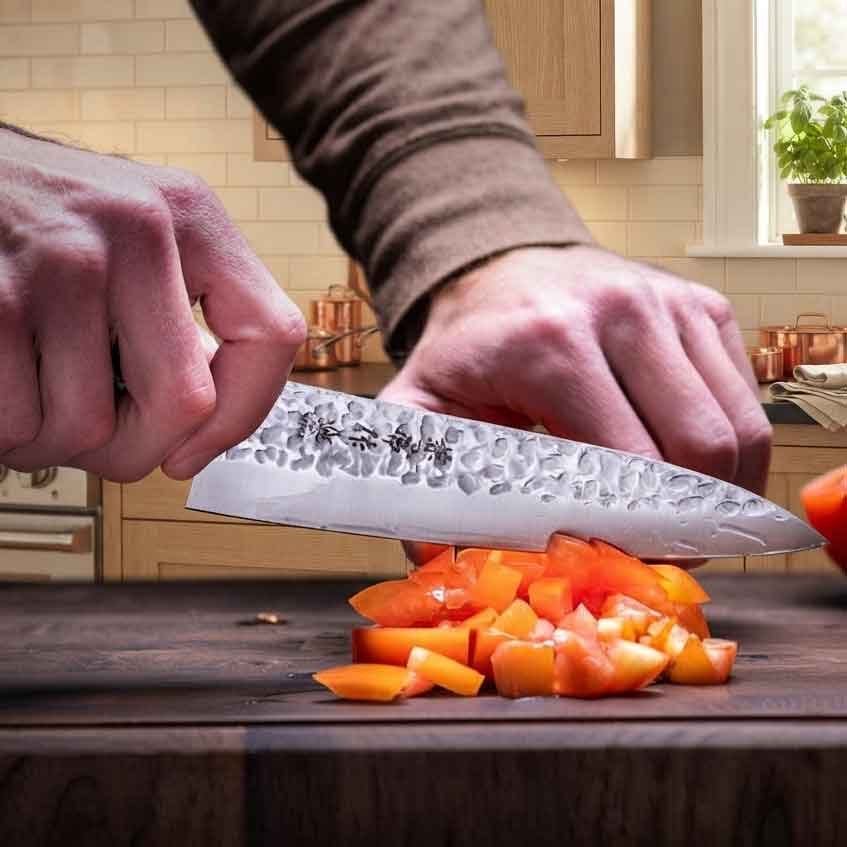
Here’s a common myth: good Japanese cutlery always costs a fortune. That’s simply not true anymore. Brands like Tojiro and Yaxell now produce budget Japanese knives that rival sets costing hundreds more. You don’t need to drain your savings account to own a sharp, well-balanced Japanese chef knife.
Most of these Japanese cutlery brands manufacture their knives in Seki, Japan, one of the world’s most famous knife-making cities. That heritage matters—centuries of craftsmanship back every blade that comes out of that region.
Some brands, like Global, come from Niigata instead, while Tojiro’s slim knife sets originate in Tsubame-Sanjo. Each region carries its own manufacturing traditions, and that regional pride shows up in the fit and finish of the final product. Even Demko Knives, made by a Japanese blacksmith in Sakai, leans on that same generations-deep expertise. Whether you want a full block set or a simple two-piece starter, that craftsmanship translates directly into how a sharp Japanese knife feels in your hand. It’s the same reason collectors chase down traditional Japanese knives rather than settle for mass-produced Western alternatives.
| Set | Best For | Price Tier | Standout Steel |
| Shun Premier Build-A-Block | Beginners | Budget | VG-MAX |
| Shun Classic 6-Piece | Craftsmanship | Mid-High | VG10 |
| Shun Sora 6-Piece | Budget shoppers | Budget | 420J/VG10 |
| Enso HD 7-Piece | Handle comfort | Mid-Range | VG10 |
| Kanetsune KC-950 | Workhorse cooking | Budget | DSR-1K6 |
| Global 20-Piece | Large households | High-End | Cromova 18 |
| Tojiro DP 8-Piece | Best value | Mid-Range | VG10 |
| Miyabi Kaizen II | Premium Damascus | High-End | FC61 |
| Yaxell Mon 6-Piece | Sub-$300 sets | Budget | VG10 |
This little set punches way above its weight. It ships only with an 8-inch chef knife and a honing steel, but that knife alone is worth the price tag.
Specifications
Pros
Cons
We added this Shun Premier knife to our own kitchen a few months back. Within a week, it became the knife we reached for automatically. That’s the mark of effortless slicing done right.
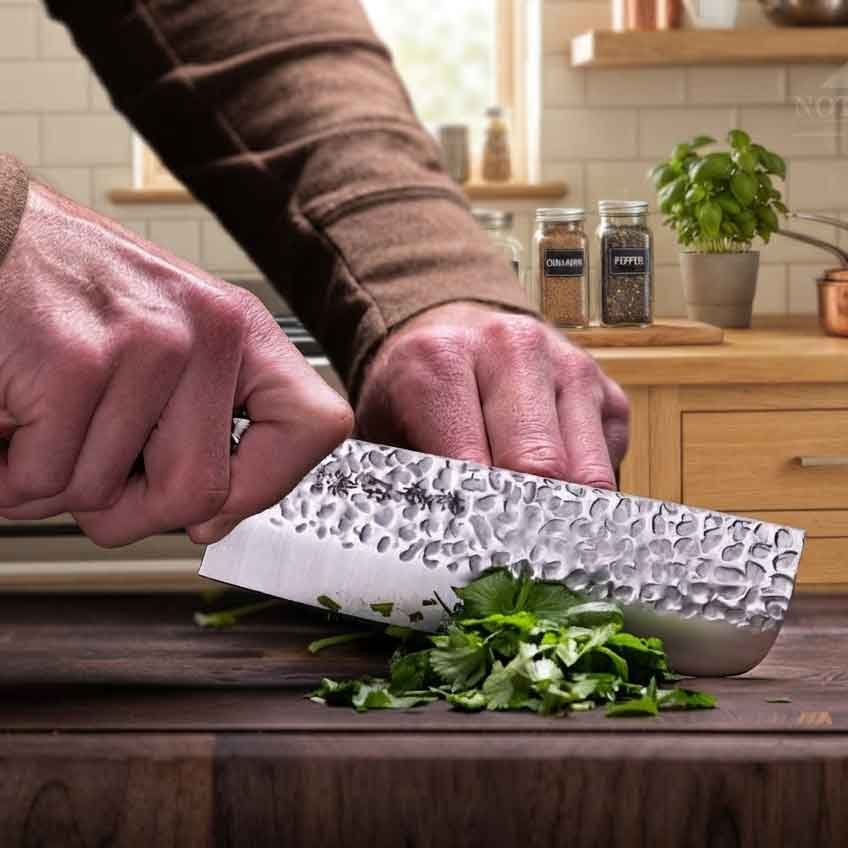
Shun Classic knives look like art, but they perform even better than they look.
Specifications
Pros
Cons
If you want a Japanese Damascus knife set that turns heads on the counter and holds an edge through months of daily prep, this is it.
Not every budget stretches to Shun Classic prices. That’s where Sora steps in.
Specifications
Pros
Cons
We were surprised by how well this budget Japanese knife set performed compared to sets costing twice as much. It’s proof that price doesn’t always equal performance.
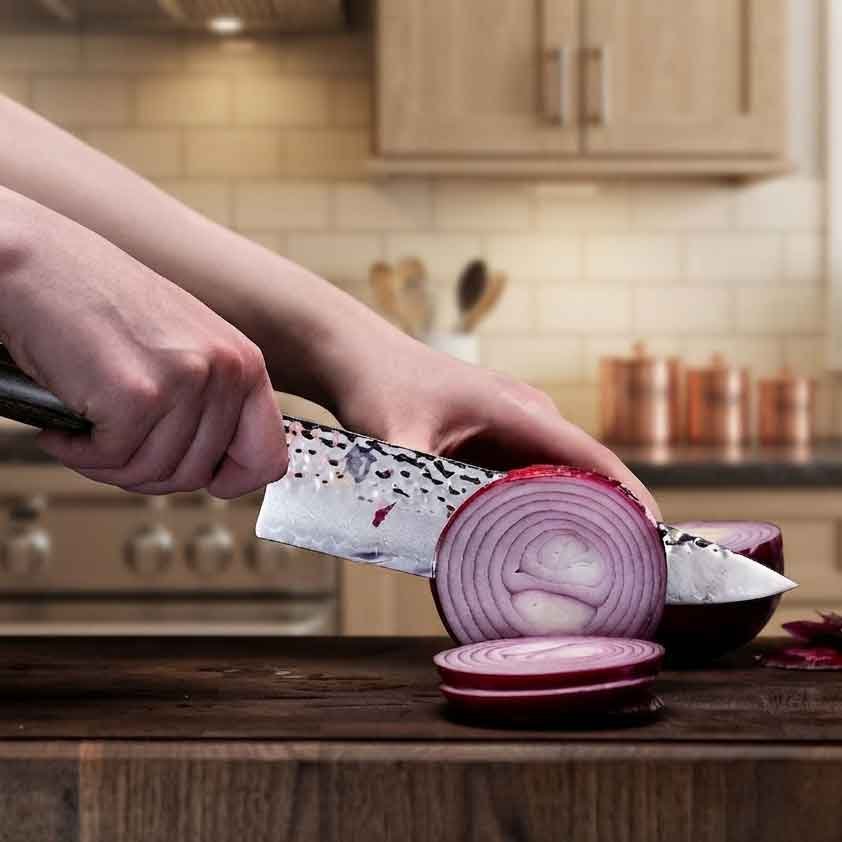
Enso has forged knives since 1932, and it shows in every cut this set makes.
Specifications
Pros
Cons
The santoku knife in this set actually outperformed pricier options we’ve tested. Sometimes the underdog wins.
Specifications
Pros
Cons
Kanetsune doesn’t market itself loudly, but these knives earn their keep through daily reliability rather than flashy branding.
Specifications
Pros
Cons
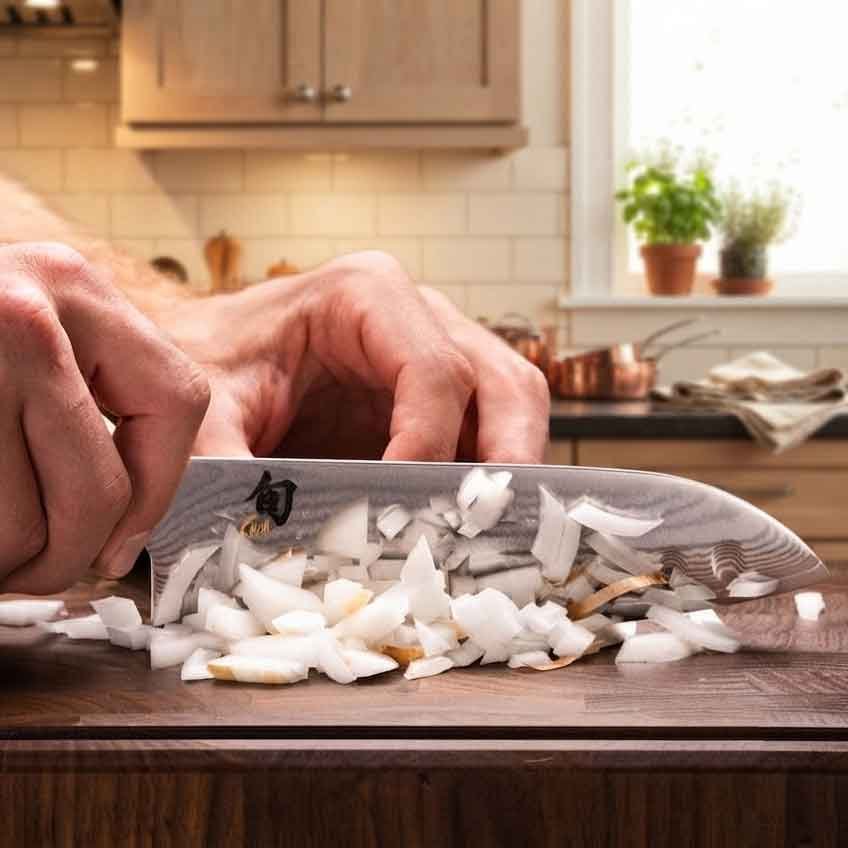
Global’s perforated handles seemed odd to us at first. Then we used them. The comfort factor changed our minds fast.
Specifications
Pros
Cons
If you want the best Japanese knife set for the money, start your search here.
Specifications
Pros
Cons
Specifications
Pros
Cons
Picking a Japanese cutlery set isn’t just about price. Consider these factors first:
Think of it like buying running shoes. You wouldn’t grab marathon shoes for a casual jog around the block. The same logic applies here. A full 20-piece Global set makes sense for a big family kitchen, but a Shun Premier starter knife set might suit a studio apartment cook just fine.
Japanese steel rewards a little extra care. Hand-wash your knives immediately after use and dry them right away to prevent rust spots. Skip the dishwasher entirely; it dulls edges and damages handles over time. Hone your blades regularly, and sharpen them every few months, depending on use. This simple knife maintenance routine keeps your set performing like new for years.
Storage matters just as much as cleaning. Tossing loose knives into a drawer dulls their edges quickly and creates a real safety hazard. A bamboo storage block, a magnetic knife holder, or even a dedicated knife roll all protect these beautiful Japanese knives while keeping your countertop organized. If you’re building a custom knife set piece by piece, a magnetic strip lets you add new blades anytime without running out of block slots.
Any solid Japanese knife guide should cover the companies behind the blades, not just the specs. Here’s a quick comparison of Japanese knives from the brands featured above.
Tojiro blends Japanese-style blades with Western-style handles, creating knives that feel familiar yet perform at a premium level.
Since 1965, MAC has hand-ground and hand-sharpened every blade on water-cooled stones, a process most factories skip entirely.
Shun knives are known for their light weight, sharpness, and stunning Damascus patterns across the Classic, Premier, and Sora lines.
Founded in 1985, Global built a reputation on ice-hardened Cromova 18 steel and an instantly recognizable handle design.
Enso has crafted cutlery since 1932, combining old-world technique with modern manufacturing out of Seki, Japan.
Operating since 1964, Kanetsune quietly makes some of the most dependable, well-priced kitchen knives available today.
This UK-based company sources traditional Japanese knives directly from Sakai blacksmiths, pairing each blade with a story worth telling.
| Steel Type | Pros | Cons |
| VG10 | Great balance of sharpness and corrosion resistance | Edge retention trails premium steels |
| VG-MAX | Excellent toughness and edge retention | Higher price point |
| DSR-1K6 | Rust-resistant, easy to sharpen | Softer edge retention |
| Cromova 18 | Strong corrosion resistance | It can be tricky to sharpen |
| FC61 | Tough and corrosion-resistant | Edge retention lags for the price |
Here are quick answers to the questions we get most, plus a few knife set recommendations worth remembering.
What makes Japanese knives different from Western knives?
Japanese knives typically use harder steel and thinner blade angles, which create sharper, more precise cuts.
Do Japanese knife sets need a storage block?
Not always. Many home cooks prefer a magnetic strip or knife roll, especially with smaller kitchens.
Are stamped Japanese knives worth buying?
Yes, in certain cases. Global demonstrates that quality control can enable a stamped blade to compete with forged options.
What’s the difference between VG10 and Damascus steel?
VG10 refers to the core steel itself, while Damascus describes the layered cladding wrapped around that core for strength and appearance.
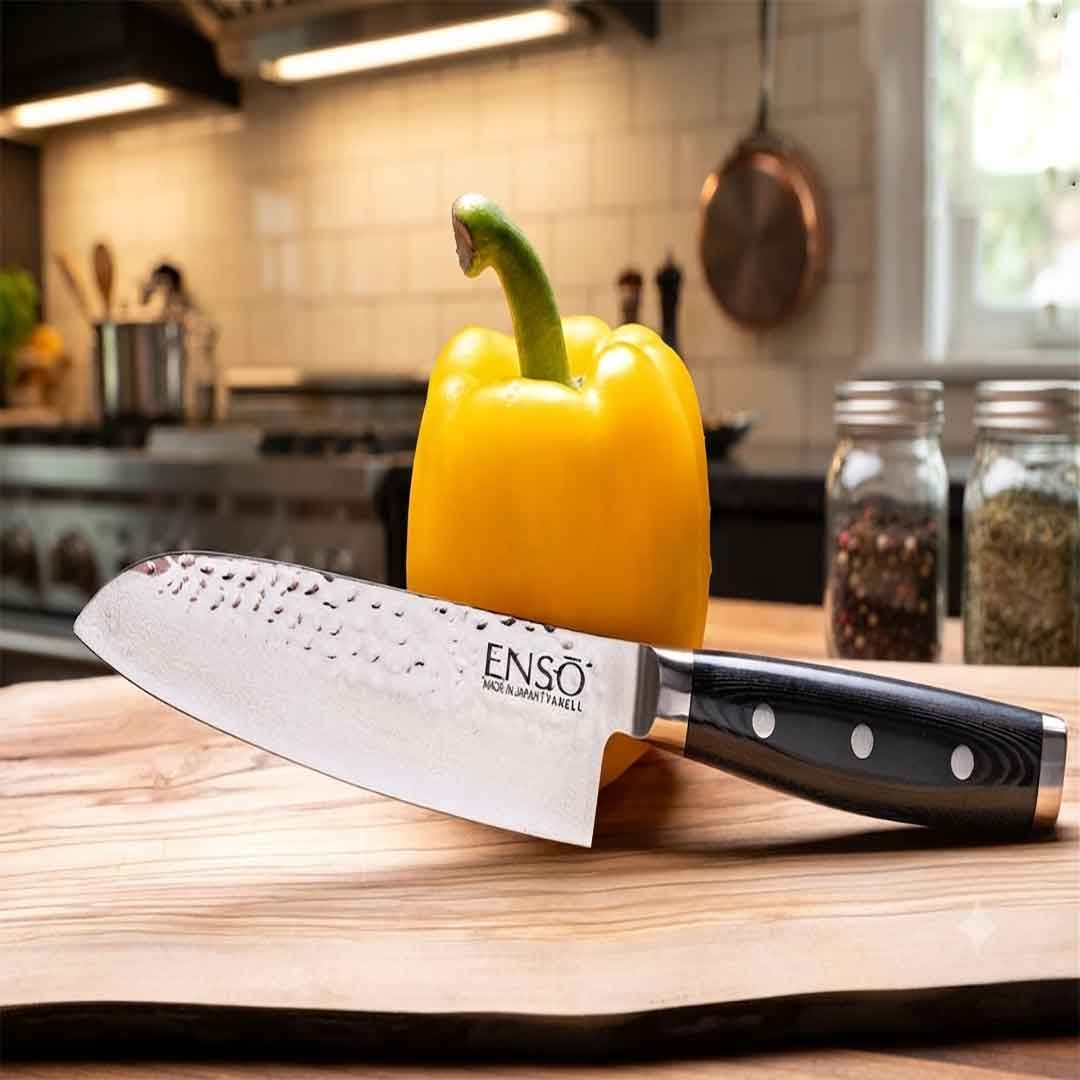
Choosing the best Japanese knife set comes down to your budget, your cooking habits, and the amount of counter space you have. Whether you want a full 20-piece block or a simple two-knife starter set, there’s a genuinely great option waiting for you.
American Knife Depot carries a wide range of Japanese cutlery and kitchen knife sets alongside their broader collection of EDC, hunting, and tactical gear. With over 13,000 products spanning 60-plus categories, a 4.8-star rating backed by more than 13,700 verified customer reviews, and free shipping on orders above $300, it’s a smart place to start your search for premium cutlery. From trusted names like Gerber and Ka-Bar to specialty Japanese cutlery brands, American Knife Depot has built its reputation on giving both budget shoppers and serious collectors exactly what they need.
Ready to upgrade your kitchen? Browse American Knife Depot’s full selection of Japanese knife sets today and find the blade that fits your cooking style.
Still deciding which set is right for you? Reach out to American Knife Depot’s team for personalized recommendations before you buy.
MagnaMax is a notable new knife steel that has been
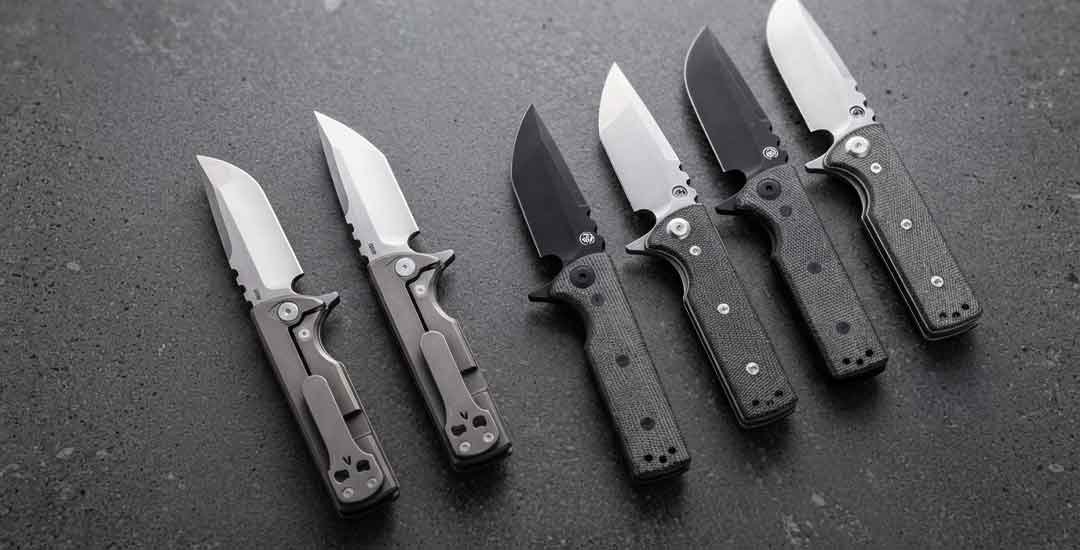
The history of Chaves Knives begins with one maker, basic
![Rated: 15 Best OTF Knives of 2026 [By Category]](https://americanknifedepot.com/wp-content/uploads/2026/09/Featured-Image-7.jpg)
Finding the best OTF knife is less about chasing the
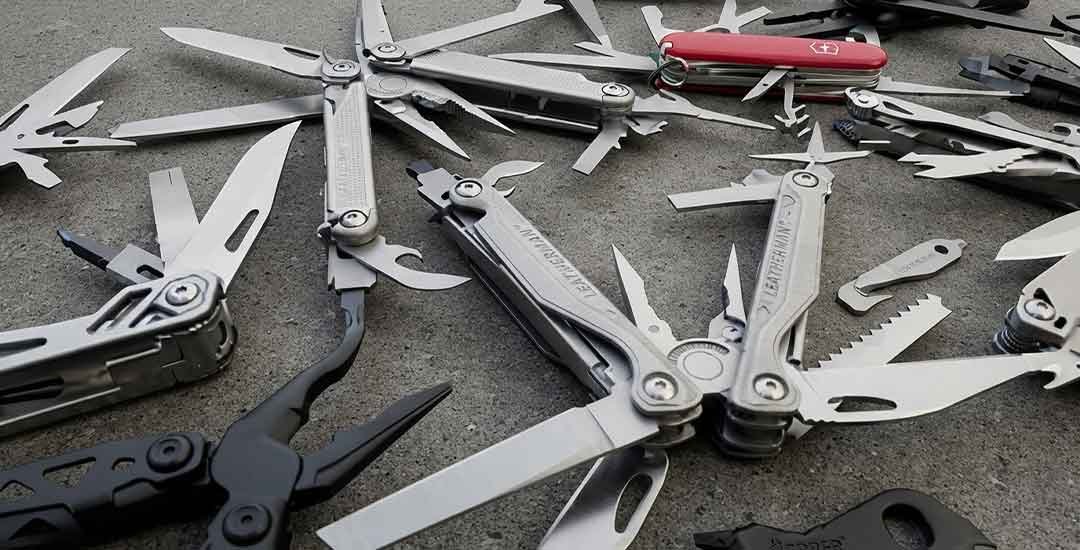
The Leatherman ARC multitool promises premium materials, 20 tools, and


















Civivi nails everyday carry. Smooth action, perfect balance, and clean design. Easily one of the best EDC knives I’ve owned at this price point.