
MagnaMax Steel – Everything You Need to Know
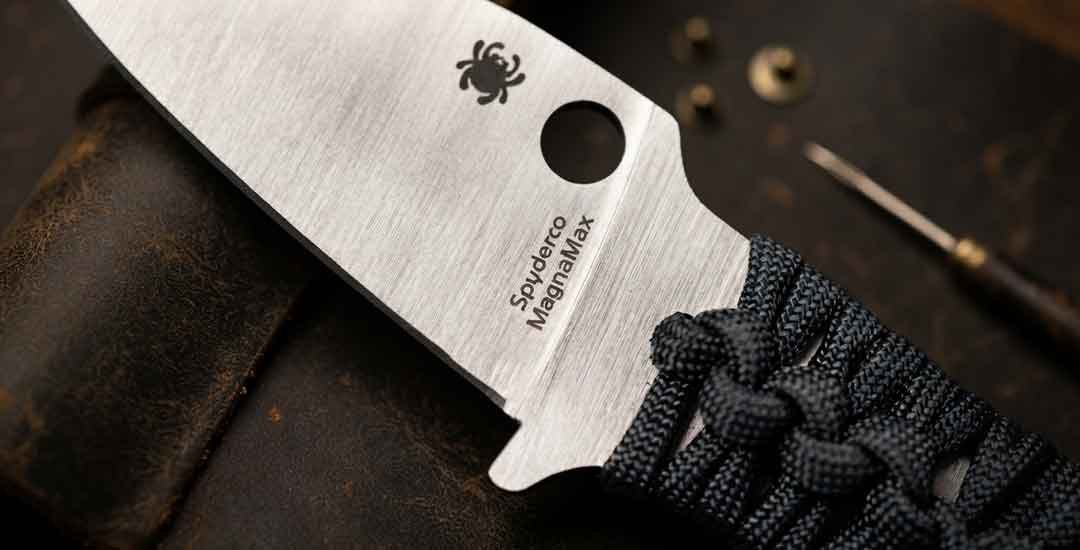
MagnaMax is a notable new knife steel that has been

A dull knife isn’t just frustrating. It’s genuinely dangerous. When your blade starts skating off tomatoes instead of slicing cleanly through them, most people instinctively reach for a sharpener — but that’s actually the wrong first move. What your knife probably needs is a quality honing rod.
Honing is the unsung hero of knife care. Fast, simple, and remarkably effective, it keeps your blades performing like they just left the factory. Whether you’re a home chef, a weekend hunter, or a serious EDC enthusiast, the right knife honing tool separates a blade that performs from one that disappoints.
Think of a honing steel sharpener the way a mechanic thinks about tyre alignment. You don’t replace the tyres every time they drift — you realign them. The same principle applies here. Regular honing keeps your edge geometry intact, reduces sharpening frequency dramatically, and extends the overall life of every blade you own.
At American Knife Depot, we’ve put these tools through real-world testing across kitchen knives, hunting blades, and EDC carry pieces. Here’s our complete breakdown — and our definitive picks for the best honing rod in 2026.
Most people confuse honing with sharpening. They’re related but fundamentally different disciplines.
Sharpening grinds away steel to rebuild a worn edge from scratch. Honing realigns an existing edge without significant metal removal. Think of it this way — sharpening rebuilds the road while honing keeps the lane markings straight.
Every time you use a knife, the blade edge bends microscopically under pressure. That rolled knife edge — sometimes called a folded-over edge — does not cut cleanly. A ceramic honing rod or honing steel pushes that edge back into perfect alignment through slow, precise honing strokes. No grinding, no significant blade material removal.
A dedicated sharpening session, by contrast, removes steel to reshape the edge geometry entirely. That’s necessary eventually — but not every week. Routine blade care through regular honing dramatically extends sharpening intervals. For a home cook who uses their knives daily, honing two or three times a week can push full sharpening sessions to once or twice a year.
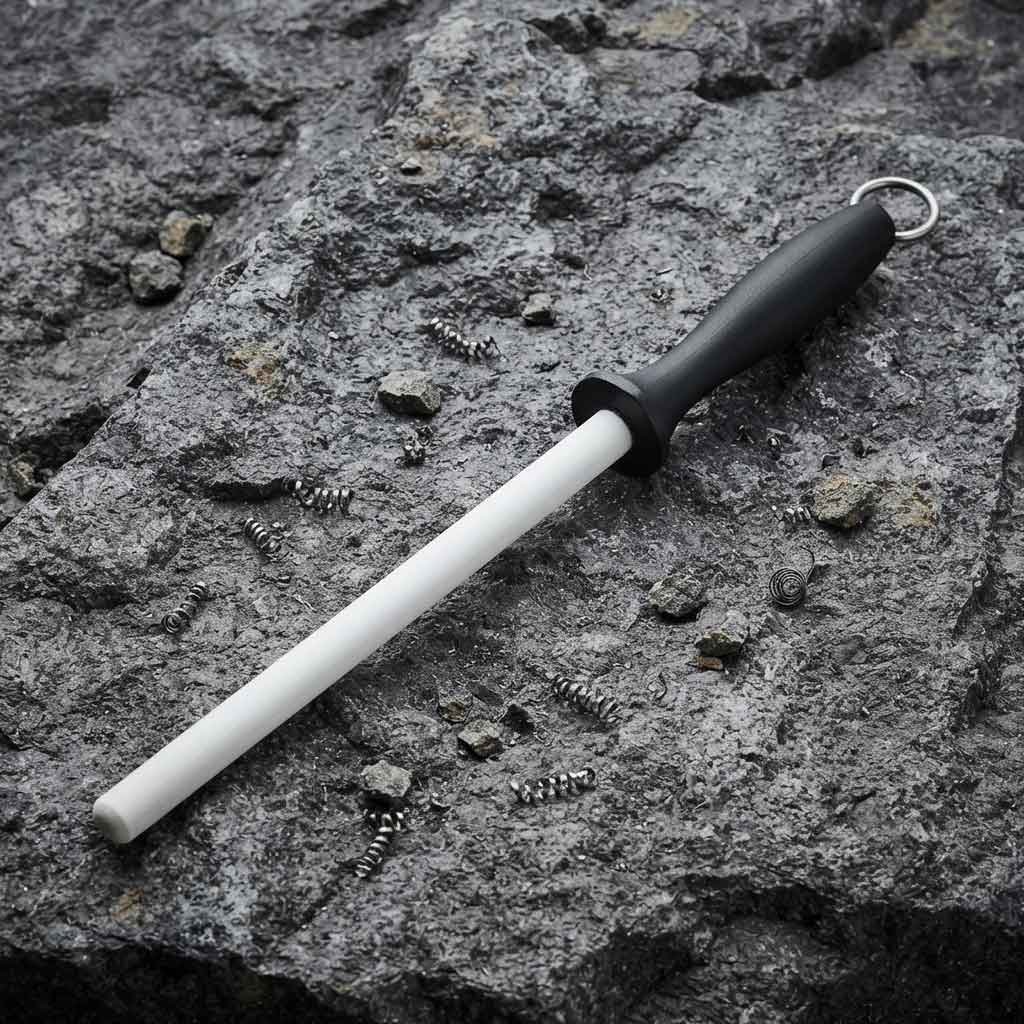
Here’s the science most guides skip entirely. A knife edge is essentially a very thin steel wedge. Undercutting pressure, that wedge flexes. Over time, it develops a metal burr — a tiny curl of steel along the cutting edge — or simply folds sideways from repeated impact. Neither condition responds well to a whetstone. Both respond brilliantly to a good sharpening rod.
Blade edge deformation is gradual. You won’t notice it after one use. But after a week of neglect in daily kitchen knife maintenance, your cuts feel draggy, imprecise, and exhausting. That’s your cue to grab a honing stick and get to work.
| Product | Rod Type | Length | Best For | Price Range |
| Work Sharp Ceramic Honing Rod | Ceramic | 15.5 in | Best overall pick | $ |
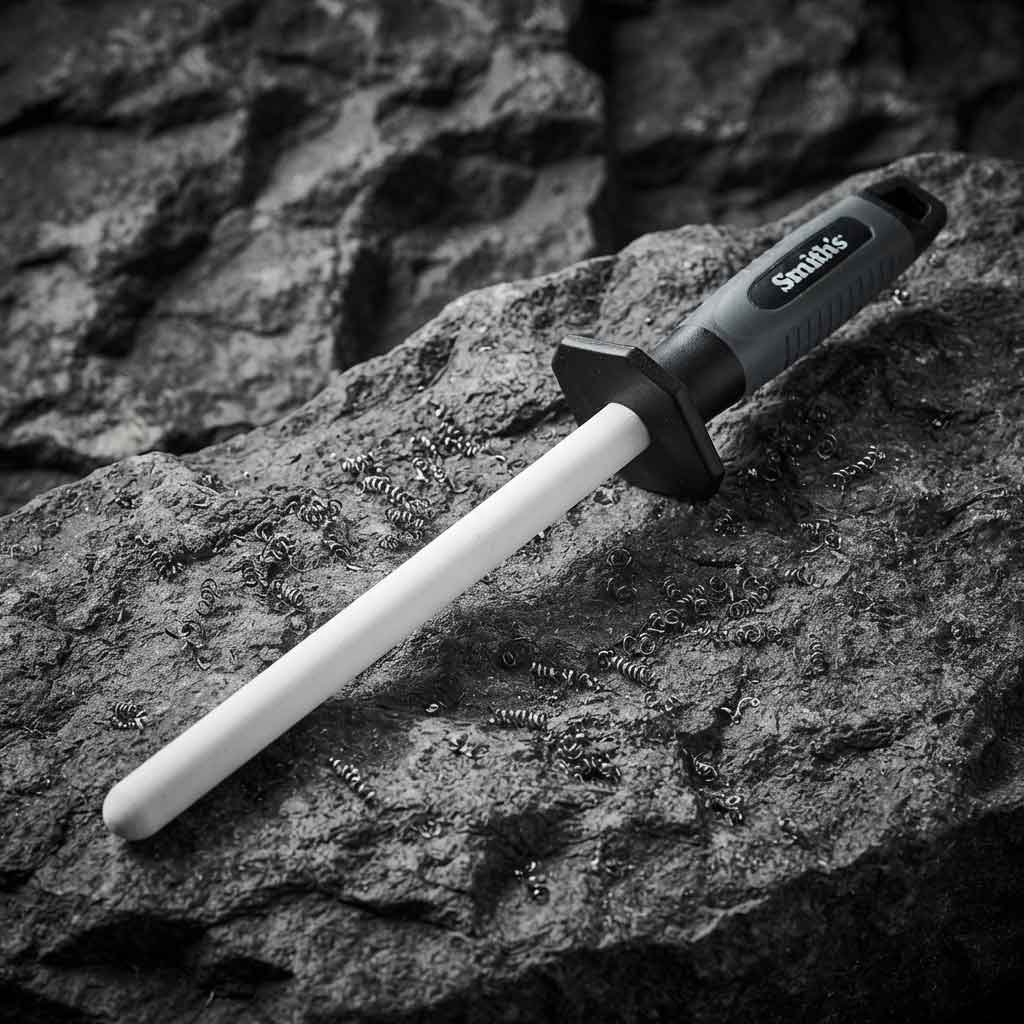
| Smith’s 8-Inch Oval Ceramic | Ceramic | 8 in | Budget and travel use | $ |
| F. Dick Multicut | Steel | 11 in | Professional daily use | $$ |
| Wedgek HXT Ceramic | Ceramic | 11 in | Multi-angle versatility | $ |
| Fällkniven D12 | Diamond | 17.75 in | Hard steel, fast repair | $ |
Price: $ | Length: 15.5 in | Rod Type: Ceramic | Origin: USA
The Work Sharp Ceramic Honing Rod earns the top spot because it genuinely works across nearly every knife type — kitchen, hunting, Survival, and EDC — without demanding any real technical expertise from the user.
Beginners and experienced users alike. The built-in 20-degree sharpening angle guides make this the most beginner-friendly honing rod on the market. Set the knife against the guide, draw the blade across, repeat. Done.
The rubberised rod tip sounds like a minor detail. In practice, it changes everything. No hunting for a cloth to protect your countertop — just tip it down and start your controlled honing strokes.
| Pros | Cons |
| Affordable at ~$30 | Angle guides fixed at one rotation point |
| Non-scratch rubber tip included | Not recommended for very hard Japanese steel |
| Beginner-friendly angle guide system | |
| Handles kitchen, hunting, and EDC blades |
For most American knife owners, this ceramic honing rod is the smartest $30 investment in your knife care routine. Simple, effective, and genuinely versatile.
Price: $ | Length: 8 in | Rod Type: Ceramic | Origin: China
Don’t let the price point fool you. Smith’s compact ceramic rod is a seriously capable blade hone that punches well above its weight class.
Experienced knife users who already know their correct honing angle and need a compact, storage-friendly honing rod for tight spaces. It’s ideal for boat kitchens, RV setups, and anyone who needs a no-fuss knife-sharpening stick without paying Premium prices.
The oval honing rod design is genuinely clever engineering. The flat surface lets you work longer blades on a shorter rod far more effectively than a round rod of the same length. Pair that with an ergonomic sharpening handle and an oversized protective hand guard, and you’ve got a compact sharpening rod that’s both safe and efficient.
At under $25, this ranks among the best ceramic honing rods for budget-conscious buyers who refuse to compromise on blade-maintenance quality.
| Pros | Cons |
| Very affordable | No sharpening angle guides |
| Compact — fits kitchen drawer storage easily | Requires prior honing experience |
| Oval shape improves contact on longer blades | |
| Ergonomic handle with safety hand guard |
A compact, rust-resistant sharpening tool that travels well and performs consistently. Skip it if you’re brand new to honing — but if you know your angles, this sharpening stick delivers every time.
Price: $$ | Length: 11 in | Rod Type: Steel | Origin: Taiwan
F. Dick has been crafting professional knife care equipment since 1778. That’s nearly 250 years of accumulated blade expertise poured into every product they make.
Professional chefs, butchers, and heavy-use knife owners. This is the best butcher steel on this list — a good sharpening steel built for people who process meat daily and need a durable honing steel that never flinches under relentless use.
The F. Dick Multicut is a hardened steel rod of exceptional professional-grade construction. It ships with removable angle guides — a genuine rarity among steel honing rods — and the build quality announces itself the moment you pick it up. It’s heavy. Intentionally so. That weight signals long-lasting honing steel craftsmanship, not a cost-cutting shortcut.
“For chefs and butchers who treat their blades hard every single day, the F. Dick Multicut is the good honing steel you buy once and never replace.”
One critical compatibility note: steel honing rods require the rod to be harder than the knife being maintained. The Multicut handles most Western-style chef knives superbly. However, it can chip Japanese knife steel — so match it to your blades carefully.
Some knife professionals also keep a smooth honing steel alongside this rod for final touch-ups after heavy processing sessions. The Multicut handles the bulk of the work. A smooth steel refines the finish.
| Pros | Cons |
| Exceptional durability | Expensive at ~$127 |
| Removable angle guides | Heavy |
| Professional-grade construction | Not suitable for Japanese knives |
| Built for heavy daily butcher use |
Expensive? Yes. Worth every dollar? Absolutely — for professionals who demand the best sharpening steel that outworks everything else on the market.
Price: $ | Length: 11 in | Rod Type: Ceramic | Origin: Germany
If you own multiple knives across different steel types and blade styles, the Wedgek HXT is the most versatile knife sharpener on this list — and it isn’t particularly close.
Collectors, multi-knife households, and anyone who wants one ceramic honing steel to handle everything from a 12-degree Japanese blade to a 30-degree hunting knife without buying multiple rods.
The Wedgek HXT ships with a multi-angle guide system that supports 12 adjustable sharpening angles — from 12 to 30 degrees. Those guides pop on and off easily, allowing you to rotate them to even out wear across the entire ceramic abrasive surface. That’s smart engineering that extends sharpening rod performance significantly over time.
No other rod on this list comes close to that angle range. Whether you’re maintaining a delicate Japanese knife at 15 degrees or a thick Survival blade at 25 degrees, the Wedgek has you covered.
| Pros | Cons |
| 12 adjustable sharpening angles | Only available in one 11-inch size |
| Easily removable angle guides | |
| Works on virtually any knife type | |
| Even rod rotation prevents uneven wear. |
The most versatile honing rod on this entire list. One rod, every knife, every angle. Hard to argue with that.
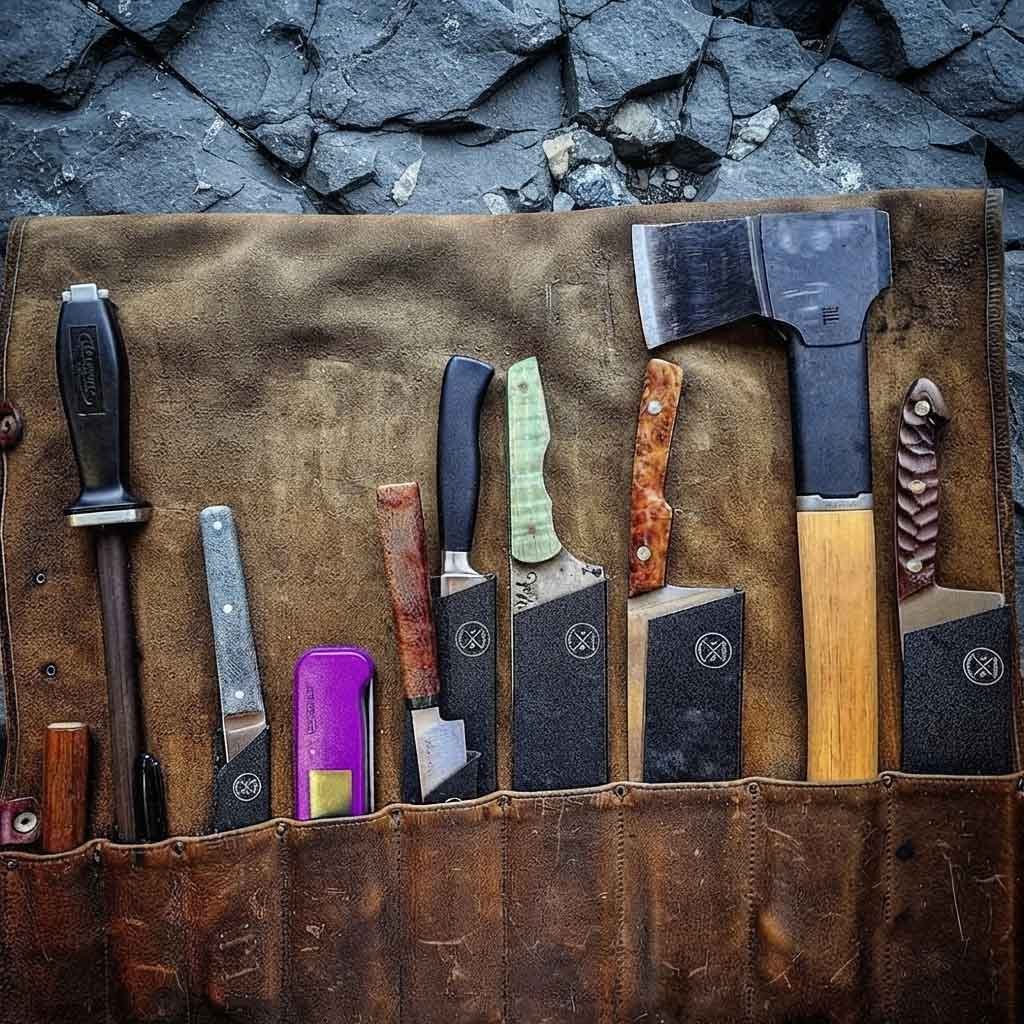
Price: $ | Length: 17.75 in | Rod Type: Diamond | Origin: China
Diamond sharpening rods occupy a very specific niche in knife maintenance — and the Fällkniven D12 owns that niche completely.
Experienced knife sharpeners maintain hard-steel blades, outdoor knives, and EDC knives that see heavy field use. This is the best diamond sharpening rod for users who follow up with a ceramic honing rod for final edge refinement afterwards.
Diamond abrasive surfaces are always harder than knife steel — every steel type, without exception. That universal hardness compatibility makes diamond-coated sharpening rods uniquely powerful for aggressive edge repair. The D12’s 17.75-inch length provides exceptional working surface area for large hunting, Survival, or chef knives.
The tradeoff is aggression. Diamond honing rods remove significantly more material than ceramic rods. In skilled hands, that’s a feature — fast knife sharpening and edge repair without resorting to a full sharpening system. In inexperienced hands, it risks excessive metal removal and potential blade chipping.
Always follow a diamond rod sharpening session with a ceramic honing rod to remove any final burr and align the edge.
For users asking about the best grit for sharpening knives — a fine-grit ceramic rod handles everyday maintenance. A diamond rod with medium grit handles heavier repairs. And a1200-gritt sharpening rod delivers outstanding results for final polishing and edge refinement.
| Pros | Cons |
| Works on any knife steel hardness | Too aggressive for beginners |
| Fast, aggressive edge repair | Risk of blade chipping if misused |
| Excellent for hard steel sharpening | |
| Long working surface at 17.75 inches |
A powerful knife honing tool for experienced users. Pair it with a ceramic rod, and you’ve built an unbeatable two-stage edge care system for any high-carbon steel blade.
Ready to upgrade your knife care routine? Browse our complete selection of honing rods, sharpening steels, and professional knife care equipment at American Knife Depot — over 13,000 products, trusted by knife enthusiasts across the USA.
Each material serves a distinct purpose in your blade maintenance equipment lineup.
Ceramic honing rods are the best honing material for most knife owners. Hard enough for effective burr removal and edge alignment, gentle enough to avoid blade damage on most steel types. They’re also naturally rust-resistant. The one genuine weakness is ceramic rod breakage — drop one on a hard tile floor, and it may crack or shatter.
For Japanese knife maintenance specifically, a fine-grit ceramic rod is always the safer choice over steel. The ceramic abrasive surface removes less material and poses far less risk of chipping than hard, brittle Japanese knife steel.
Steel honing rods suit professionals doing heavy daily knife use — think butcher shop knife care or processing large quantities of meat in a professional kitchen. They don’t remove much material per stroke, which is ideal for quick blade touch-ups between cuts. The risk of corrosion in steel rods is real, though — store them dry and wipe them down after every session. And remember: rod hardness must always exceed knife steel hardness for any effect.
Avoid steel rods with deep striations along the length — they affect only the burr and do little for actual edge straightening. A smooth honing steel surface performs better for most kitchen knife sharpening tasks.
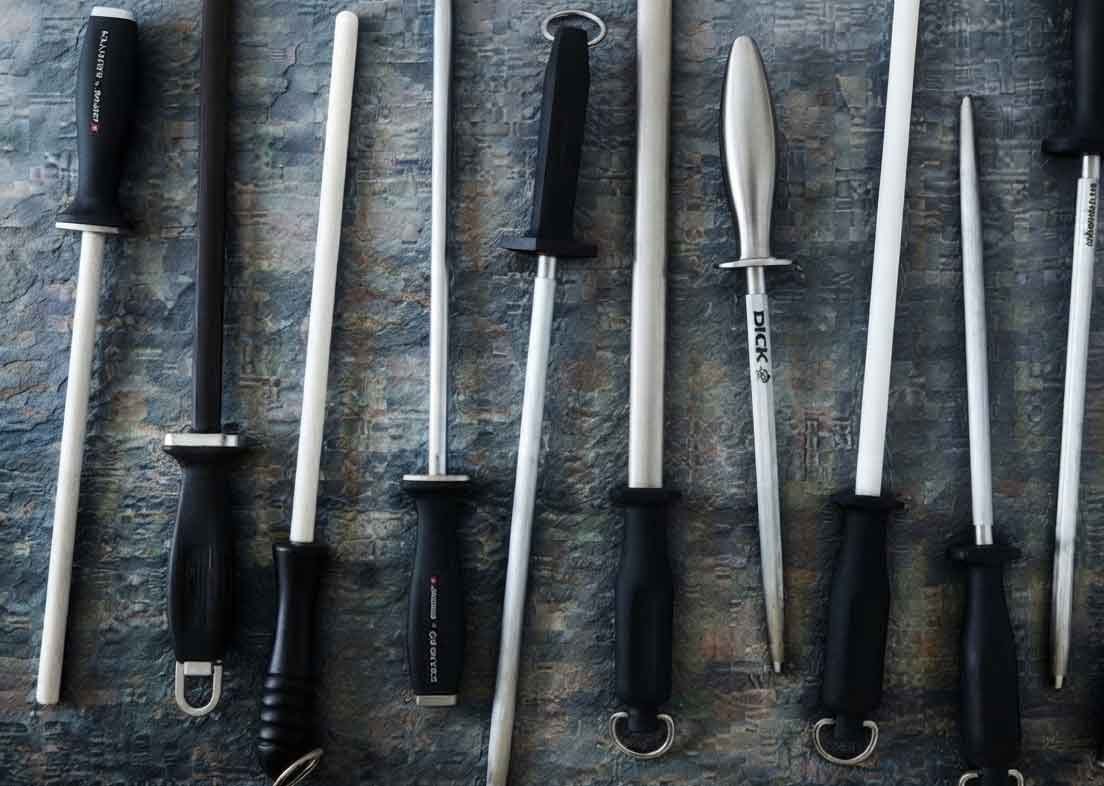
Diamond honing rods are the best sharpening steels for fast, aggressive edge repair on hard steel blades. Because diamond abrasive is universally harder than any knife steel, a diamond steel sharpening rod works on Premium knife steel, high-carbon steel blades, stainless steel knife care situations — everything. The tradeoff is aggression. Use them carefully. They’re not for light blade maintenance.
Short answer: yes. Longer honing rods offer more working surface area, making precise honing strokes easier and safer to execute consistently. A compact honing rod under 8 inches works fine for travel or tight kitchen drawer storage. For home kitchen knife maintenance, a rod between 10 and 15 inches is the sweet spot. The long honing rod options at 15–17 inches are ideal for large chef knives and outdoor blades.
This is where most beginners get derailed. Western chef knives hone best between 20 and 25 degrees. Japanese knife steel demands a finer angle — typically 12 to 17 degrees. Using a steel honing rod on Japanese knives at the wrong sharpening angle risks chipping that characteristically hard, brittle steel.
For the best honing rod for Japanese knives, always choose a fine-grit ceramic honing rod at the correct low angle. The Wedgek HXT’s adjustable angle guide system makes this process foolproof for beginners.
Knife steel compatibility matters more than most buyers realise. Here’s a quick reference:
| Knife Steel Type | Recommended Rod | Angle Range |
| Western stainless steel | Ceramic or steel rod | 20–25° |
| High-carbon steel blades | Ceramic rod | 20–25° |
| Japanese knife steel | Fine ceramic rod only | 12–17° |
| Hard Premium knife steel | Diamond rod + ceramic finish | 15–20° |
| Serrated knives | Tapered ceramic rod | Match the original angle |
Yes, you absolutely can hone a serrated knife. The rounded cylinder shape of a honing rod fits naturally into serration grooves, realigning each tooth. It’s methodical work — but regular serration maintenance dramatically extends the effective life of serrated blades. Use a tapered ceramic honing rod and work each groove individually with slow, deliberate strokes.
Never underestimate ergonomic handle design and a protective hand guard. A good knife honing safety setup includes a handle that won’t slip during use and a guard that keeps your gripping hand clear of the blade. The non-scratch rod tip is equally important — it protects your countertop during table-supported honing and keeps the rod stable during use.
| Use Case | Best Rod Type | Key Consideration |
| Chef knife maintenance | Ceramic 10–15 in | Match angle to knife origin |
| Butcher knife sharpening | Steel or ceramic | Durability for heavy use |
| Hunting knife sharpening | Diamond or ceramic | Hard steel compatibility |
| EDC knife sharpening | Compact ceramic | Portability matters |
| Pocket knife care | Short ceramic | Storage-friendly |
| Survival knife maintenance | Diamond rod | Fast field repair |
Forget the dramatic TV-chef technique — scraping knives at lightning speed across a rod held in the air. That approach damages edges more often than it helps them. It’s theatre, not technique.
Slow and controlled beats fast every single time. You’re realigning a microscopic edge. Patience is the technique.
Ceramic rods accumulate metal residue and tiny steel particles over time. Wipe them down with a damp cloth after each use. For deeper cleaning of ceramic rods, a mild abrasive — even a pencil eraser — can effectively remove embedded metal particles. Store your rod vertically in a knife block or honing rod storage sleeve. Never let it rattle loose in a drawer where ceramic rod breakage becomes a real risk.
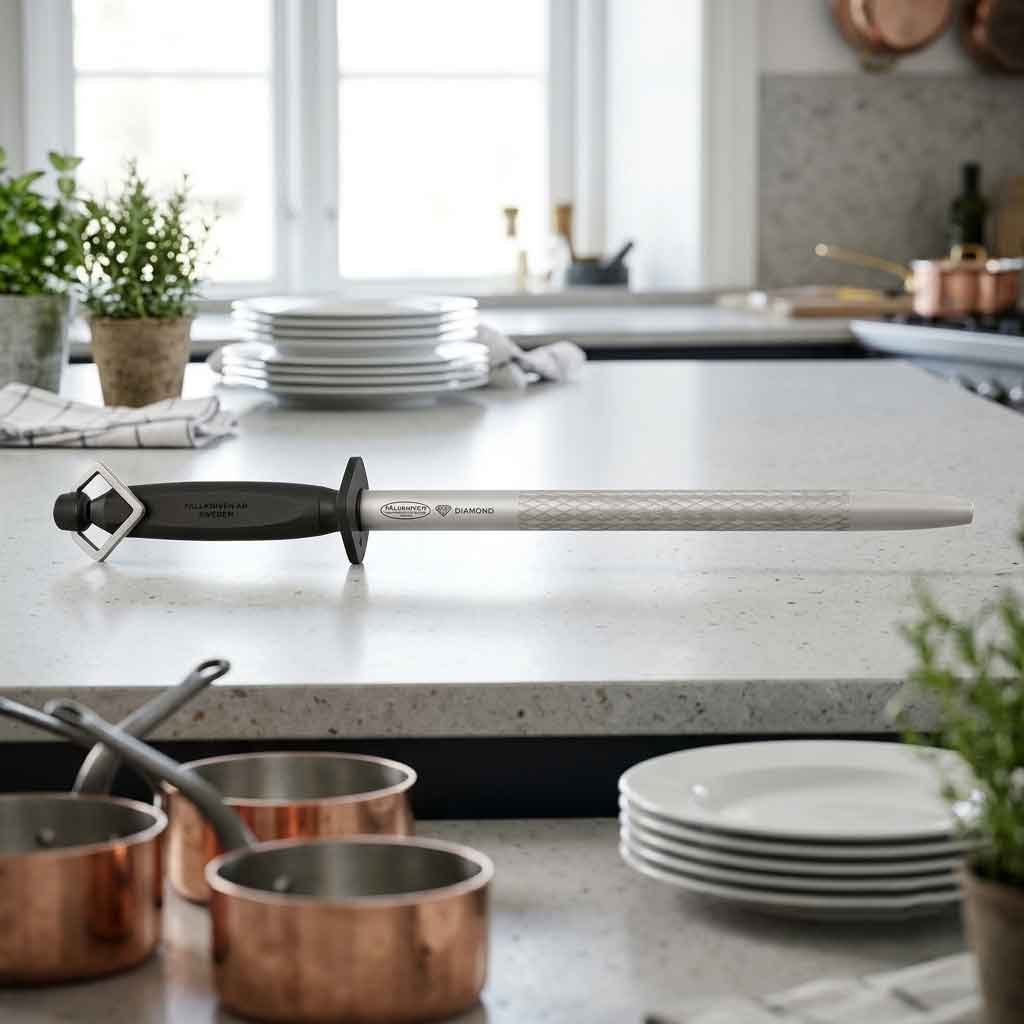
What is a honing rod used for? A honing rod realigns a rolled or folded knife edge between dedicated sharpening sessions. It’s a knife-edge maintenance tool — not a sharpening-system replacement, but a crucial part of any complete knife-care routine.
Is a honing rod the same as a sharpening rod?
No. Honing straightens and realigns the existing edge. Sharpening removes steel to rebuild it from scratch. Both play different but complementary roles in maintaining knife sharpness longevity.
What’s the best honing rod for Japanese knives?
A fine-grit ceramic honing rod used at 12 to 17 degrees. Avoid steel rods entirely — they risk chipping the hard, brittle steel that characterises most Japanese knife construction. The Wedgek HXT’s adjustable guide system is particularly well-suited for this.
How do I know when my knife needs honing vs. sharpening?
If the edge feels slightly dull but the blade is structurally intact, hone it. If honing doesn’t restore cutting performance within a few strokes, it’s time for a full sharpening session with a whetstone or dedicated knife sharpener.
Can I use a diamond honing rod on any knife?
Technically, yes — diamond abrasive handles any knife steel hardness level. However, diamond rods are aggressive. Use extra care on delicate blades. Always follow with a ceramic rod for final edge refinement.
What grit is best for a honing rod?
For routine knife-edge maintenance, a fine ceramic rod is ideal. For heavier edge repair, a medium-grit diamond rod works faster. A 1200-grit sharpening rod delivers exceptional results for final polishing. The best grit for sharpening knives ultimately depends on the task — light maintenance versus aggressive edge repair.
Can you hone a serrated knife?
Yes. Use a tapered ceramic honing rod to work each serration groove individually. It’s slow, methodical work — but it significantly extends the life of your serrated blades.
What are chairas?
Chairas is the Spanish term for honing steels — the same knife sharpening sticks used by professional butchers and chefs worldwide. The tool is identical regardless of the language you call it in.
Is the Victorinox honing rod worth considering?
The Victorinox honing rod is a solid option for home cooks — well-built, reasonably priced, and reliable for everyday kitchen knife maintenance. It didn’t make our top five but deserves mention as a dependable mid-range alternative.
| Use Case | Best Pick |
| Best overall | Work Sharp Ceramic Honing Rod |
| Best budget and travel | Smith’s 8-Inch Oval Ceramic |
| Best for professionals and butchers | F. Dick Multicut |
| Most versatile multi-angle system | Wedgek HXT Ceramic |
| Best for hard steel and outdoor use | Fällkniven D12 Diamond Rod |
| Best for Japanese knives | Wedgek HXT at 12–15° ceramic setting |
| Best for beginners | Work Sharp with angle guides |
The right honing rod depends on your knives, your experience level, and how hard you use your blades. For most people, a quality ceramic honing rod covers 90% of routine knife maintenance needs. Add a diamond rod for hard steel blades, and you’ve built a complete two-stage edge care system that rivals professional setups.
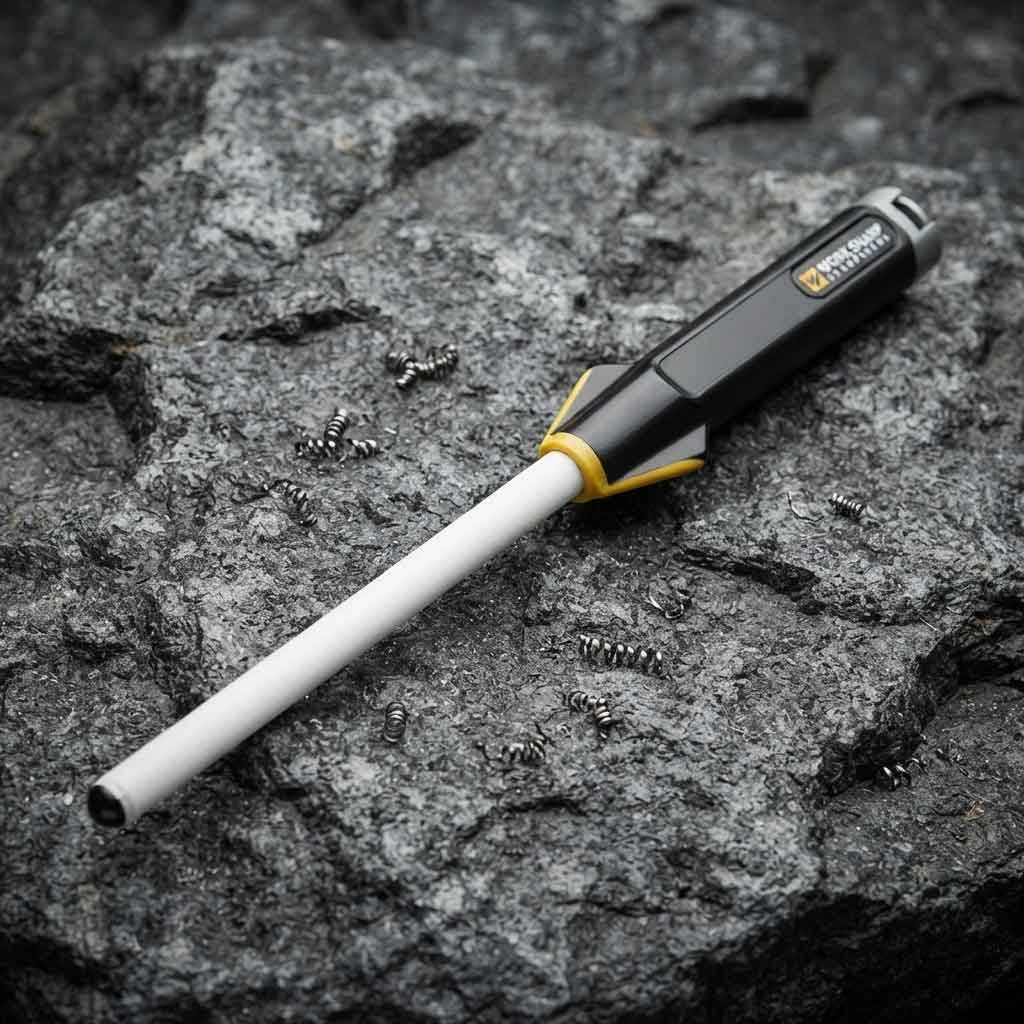
Knife sharpening sticks, honing steels, ceramic rods, diamond rods — whatever you call them, consistent use is what separates a blade that lasts decades from one that dulls out after a year of neglect.
American Knife Depot carries a curated selection of the best honing rods, sharpening steels, and professional knife care accessories — all in one convenient place. With over 13,000 products, competitive pricing, and a 4.8-star rating backed by 13,700+ verified customer reviews, we’re America’s most trusted online destination for Premium knives and outdoor gear.
Shop the full range of honing rods, knife sharpening steels, and blade maintenance equipment at American Knife Depot today — and keep every blade in your collection performing at its absolute best.
MagnaMax is a notable new knife steel that has been
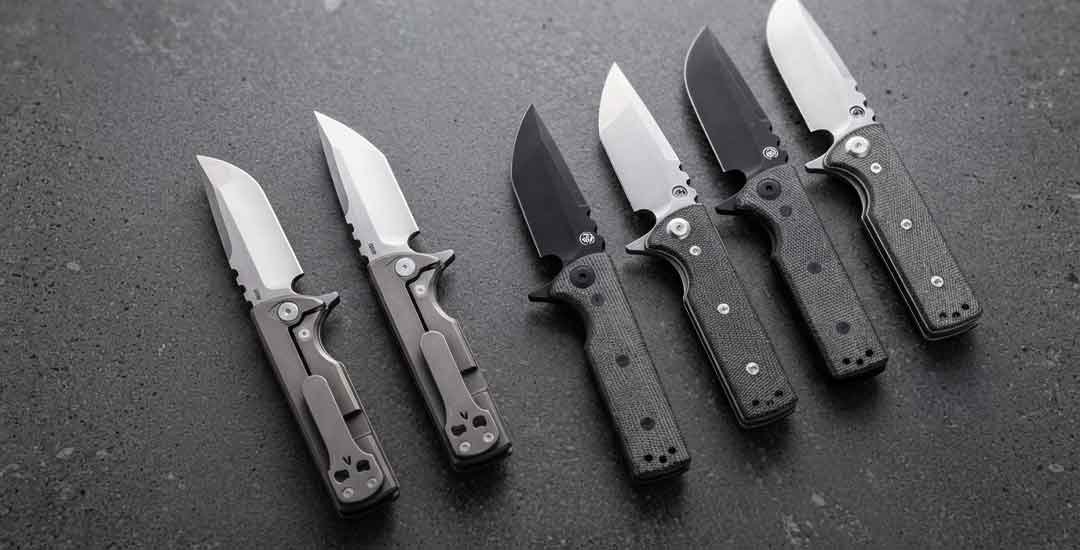
The history of Chaves Knives begins with one maker, basic
![Rated: 15 Best OTF Knives of 2026 [By Category]](https://americanknifedepot.com/wp-content/uploads/2026/09/Featured-Image-7.jpg)
Finding the best OTF knife is less about chasing the
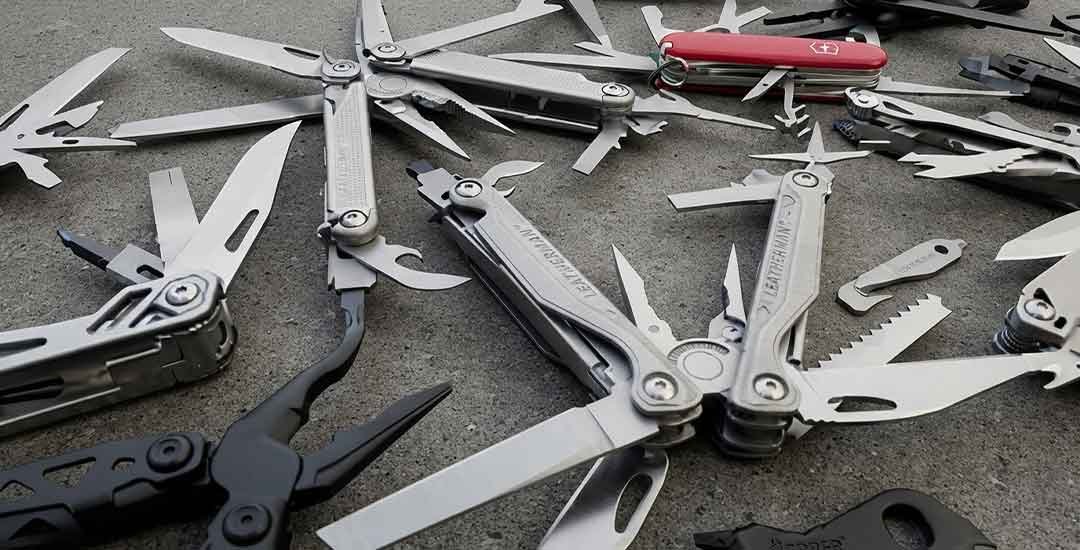
The Leatherman ARC multitool promises premium materials, 20 tools, and


















Civivi nails everyday carry. Smooth action, perfect balance, and clean design. Easily one of the best EDC knives I’ve owned at this price point.