
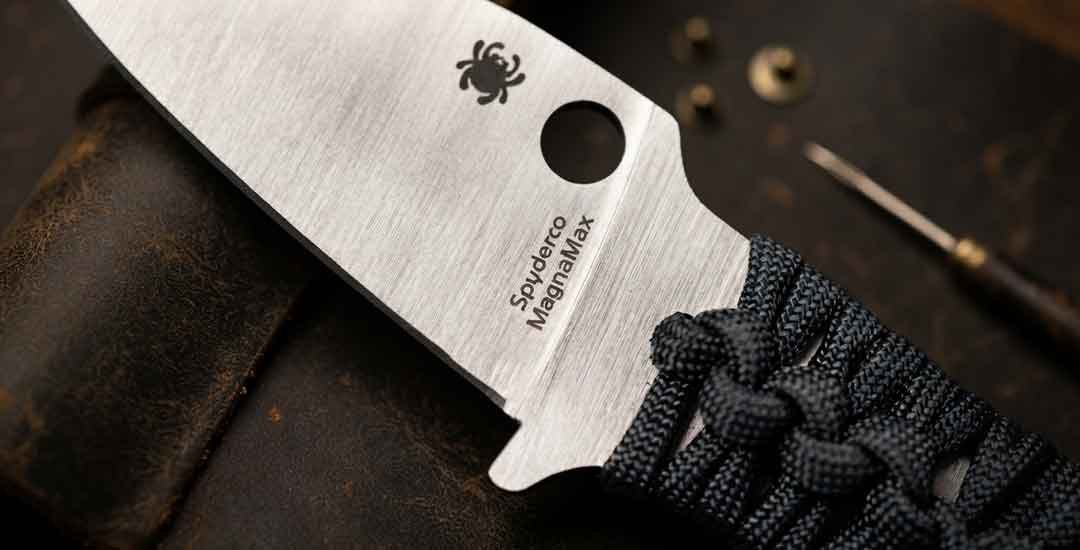
MagnaMax Steel – Everything You Need to Know
MagnaMax is a notable new knife steel that has been
Nature doesn’t care if you make it home. That’s the blunt truth behind every survival knife review you’ll ever read. A good blade won’t guarantee your safety, but it stacks the odds in your favour when a camping trip turns into something more serious.
We’ve spent weeks chopping, batoning, and carving our way through a stack of fixed blade knives to find out which ones actually earn a spot in your pack. This isn’t a spec-sheet comparison pulled from a manufacturer’s website. It’s a hands-on knife testing breakdown built around real campground tasks: fire starting, wood processing, shelter building, and the kind of abuse a knife takes when you’re miles from the nearest hardware store.
Whether you’re hunting for the best survival knife for camping, a fixed blade survival knife for hard use, a solid bushcraft knife for finer carving work, or just the best camping knife for a weekend trip, this guide walks you through what matters and why. We’ll also cover military survival knives, tactical picks, budget-friendly options, and the gear you need whether you’re backpacking, hiking, or bugging out.
Some readers know this category by other names too. If you’re searching in Spanish for a cuchillo de supervivencia or in French for a couteau de survie, you’re after the same thing: a tough, reliable outdoor knife built to keep you safe.
Here’s the short version before we get into the details:
We didn’t just unbox these knives and snap a few photos. Every blade went through the same gauntlet of real-world knife testing:
If a knife failed any stage of this outdoor knife testing, it didn’t make the list. Simple as that.
“A survival knife that can’t process wood or throw a spark isn’t a survival knife. It’s a letter opener with a sheath.”
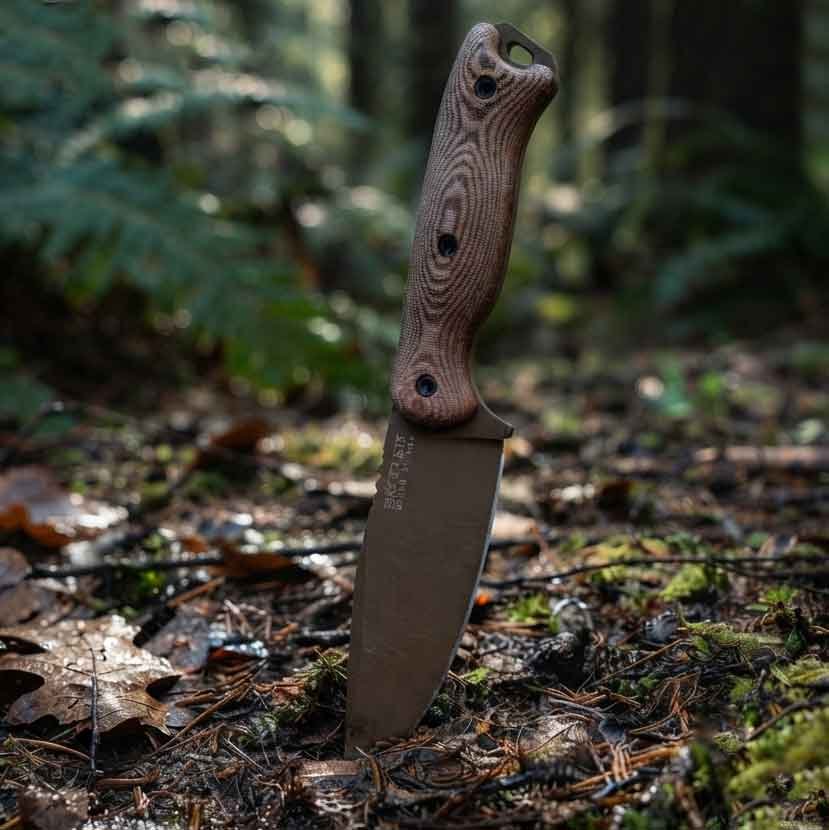
Few names carry the weight of Ka-Bar in the survival knife world. Originally built for Marines during World War II, the classic Ka-Bar fighting/utility design still holds up as one of the most trusted military survival knives on the market. The clip point blade gives you a sharp, controllable tip for detail work, while the 1095 Cro-Van steel takes a serious edge and holds it through hard use. This is the knife plenty of veterans still call the best military survival knife, decades after it first shipped.
Bradford Knives’ Guardian series is a favorite for anyone who wants a true full tang survival knife with zero compromise. The steel runs the entire length and width of the handle, which means there’s no weak point when you’re prying, batoning, or leaning on the spine. It’s an American-made survival knife option that punches well above its price point, and it’s a strong answer whenever someone asks what the best full tang knife actually looks like in practice.
Not everyone needs a $300 knife to survive a weekend in the woods. A solid entry-level pick from Buck or Cold Steel gives you dependable steel, a comfortable grip, and a sheath that won’t fall apart after a few uses. These budget-friendly fixed blades prove you don’t need to break the bank to land a good camping knife that performs, and they’re a smart choice if you’re comparing camping knives on price alone.
A dedicated fire starter knife needs a squared, 90-degree spine for reliable ferro rod strikes. Look for a drop point blade design with enough belly to carve feather sticks quickly. Fire making shouldn’t feel like a chore, and if you want a survival knife with firestarter capability built in, check the spine geometry before anything else.
Sometimes you need more knife. A longer Ka-Bar Becker-style blade handles heavy chopping wood tasks like a small hatchet, without the extra weight of carrying a separate axe. The added length also gives you more leverage for batoning through thicker logs, which is exactly why big camping knives earn their keep on longer trips.
If budget isn’t the deciding factor, a Bradford Knives Guardian built in premium steel like MagnaCut or CPM 3V delivers outstanding edge retention and corrosion resistance. This is the kind of knife you buy once and pass down, and it’s consistently one of the best premium survival knives you’ll find from an American-made shop.
A Gerber hard-use tactical fixed blade blends survival capability with a design built for quick deployment and a firm tactical grip. These knives usually ship with MOLLE-compatible sheaths, so you’ve got flexibility in how you carry, making it easy to see why it’s a go-to tactical survival knife pick for people who want one blade that covers both bases.
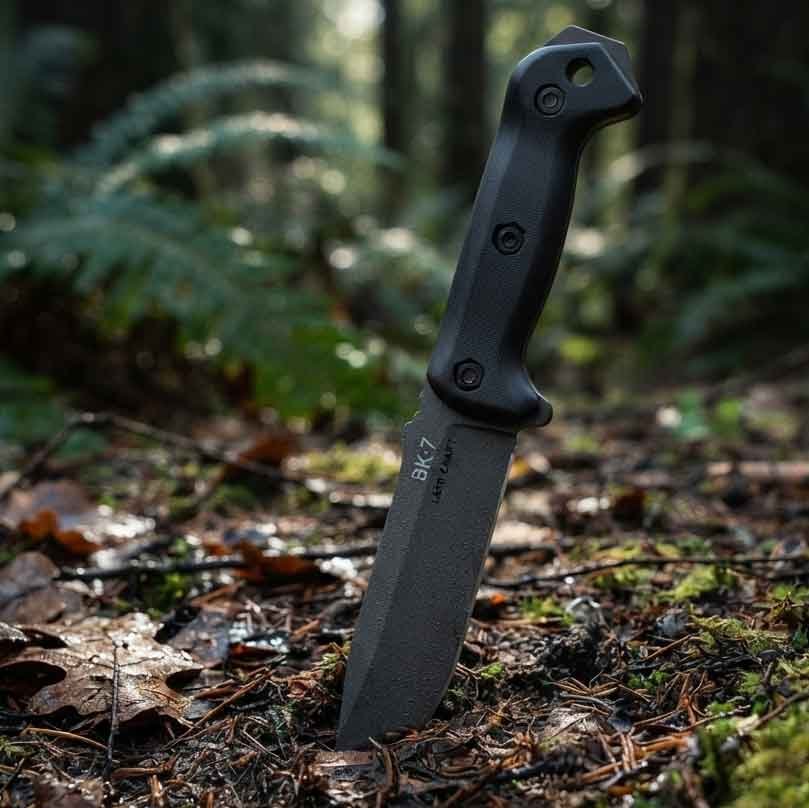
Ka-Bar’s Becker line has built a reputation for taking abuse that would ruin lesser knives. Thick spines, tough 1095 steel, and simple, functional handles make these some of the toughest survival knives you can buy without stepping into custom-shop pricing.
Comfort matters more than people expect, especially during long carving or batoning sessions. Knives with Micarta or G10 handle scales tend to offer the best mix of grip security and all-weather performance, since neither material swells or cracks the way wood can.
A neck knife or small backup blade earns its place as a secondary tool. It won’t replace your primary survival knife, but it’s there if you lose or break your main blade. Small, sharp, and easy to conceal under a jacket, this is the category to check if you want a survival pocket knife or compact backup that rides comfortably day to day.
Somewhere between a dedicated survival knife and a true bushcraft knife sits the crossover pick: a mid-size drop point with a Scandi or flat grind that handles both rough survival tasks and finer carving work. It’s a strong option if you’re torn between a bushcraft knife and something tougher for general outdoor use.
Weight matters when every ounce rides on your back. A lightweight, full tang blade in the four-to-five-inch range covers most trail needs without dragging your pack down. If you’re after a hiking survival knife tool that won’t slow you down on long backpacking trips, look for a slim profile and a lightweight sheath over a bulky Kydex rig.
| Category | Blade Steel | Handle Material | Sheath Type | Best For |
| Military-Style | 1095 Cro-Van | Leather/Polymer | Leather/Kydex | General-purpose durability |
| Full Tang | CPM 3V/MagnaCut | G10 | Kydex | Heavy batoning |
| Budget | High carbon/420HC | Rubber | Polymer | First-time buyers |
| Fire Starter | Drop point steel | Micarta | Kydex | Fire making |
| Big Chopper | 1095 | Zytel | Nylon | Wood processing |
| Tactical | Coated steel | Textured polymer | MOLLE Kydex | Quick deployment |
| Backpacking/Hiking | Lightweight stainless | Compact G10 | Lightweight nylon | Trail carry |
A survival knife is a tool built to keep you alive during an emergency, not to help you thrive long-term in the wild. It’s optimized for a handful of critical tasks:
Most people lost in the wilderness get found within a couple of days. A survival knife is built to help you survive that window, not settle in permanently. That’s also what separates it from a general outdoor utility knife you’d grab for lighter camp chores.
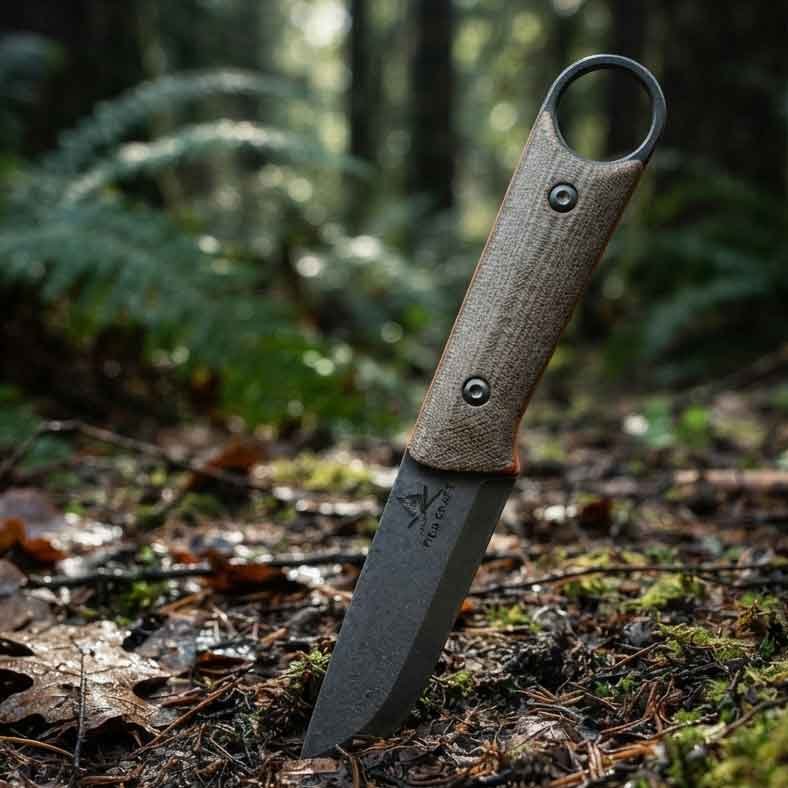
These three categories overlap constantly, and the lines blur more than most reviews admit.
Think of a great survival knife as the midpoint in the bushcraft vs. survival knife debate, and again in the tactical knife vs. survival knife comparison. It won’t out-carve a dedicated bushcraft knife, and it won’t out-perform a purpose-built tactical blade in a defensive scenario, but it holds its own in both worlds when you only have room for one knife.
Steel choice affects everything from edge retention to how easily you can sharpen a blade in the field.
A full tang survival knife runs steel through the entire handle, giving you maximum strength for batoning and prying. Partial tang designs can still perform well, but they’re generally better suited to lighter carving tasks than hard abuse. If durability is your top priority, full tang construction should top your checklist.
Micarta, G10, and quality rubber compounds all provide grip security in wet or cold conditions. Avoid handles that get slick when they’re wet. A knife you can’t hold onto is a knife you can’t trust, no matter how good the steel is.
Carry position matters too. Vertical carry rides naturally on a hip belt, while horizontal carry keeps larger knives from bouncing on your leg during a hike.
A flat or convex edge tends to hold up best under repeated wood processing. Scandi grinds excel at fine carving but sacrifice some durability compared to a full flat grind.
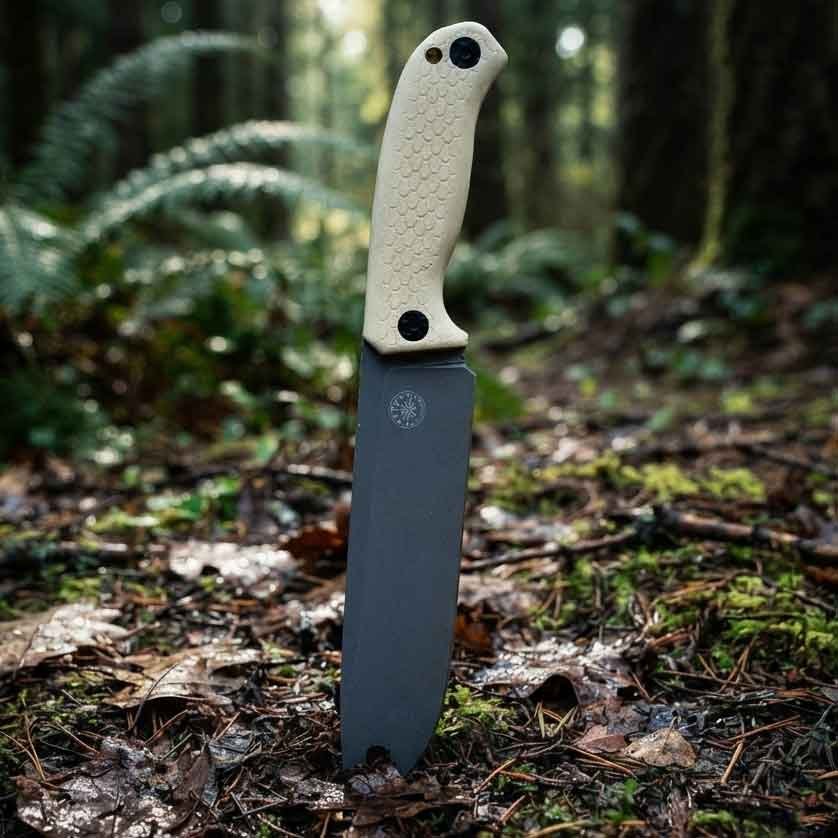
High carbon steel blades need regular oiling, especially after wet conditions. A light coat of mineral oil after each outing keeps rust-prone steel from pitting, and it’s the single easiest habit for anyone serious about long-term survival knife maintenance.
Carry a small ceramic rod or diamond stone for touch-ups. You don’t need a perfect edge in the field, just one sharp enough to keep working.
Kydex sheaths need almost no maintenance. Leather sheaths benefit from an occasional leather conditioner to prevent cracking, especially if they get wet on a regular basis.
| Brand | Origin | Known For | Price Range |
| Ka-Bar | USA | Military heritage, full tang toughness | $60–$250 |
| Bradford Knives | USA | Premium American-made construction | $200–$400 |
| Buck | USA | Budget-friendly reliability | $30–$150 |
| Cold Steel | Taiwan/USA | Simple, hard-use designs | $50–$200 |
| Gerber | USA | Tactical-first survival knives | $60–$220 |
American Knife Depot carries all of these trusted names, plus dozens of other survival knife brands and outdoor knives, giving you one place to compare steel types, handle materials, and sheath options without hopping between ten different websites.
Ready to gear up? Shop the full survival knife collection at American Knife Depot and find the blade built for your next adventure.
What is the best knife for survival?
The best survival knife balances a full tang design, tough steel like 1095 or D2, and a comfortable, secure handle. There’s no single “best” knife, since the right pick depends on your climate, activity level, and budget.
Is full tang better for survival knives?
Yes, in most hard-use scenarios. A full tang construction gives you added strength for batoning, prying, and other high-stress tasks that partial tang knives struggle with.
What steel is best for a survival knife?
1095 and D2 remain popular for toughness, while S35VN and MagnaCut offer better corrosion resistance for anyone camping in wet or humid environments.
How do I stop my survival knife from rusting?
Keep the blade dry after use, apply a light coat of oil regularly, and store it outside its sheath when not in use to prevent trapped moisture.
What’s the difference between a survival knife and a bushcraft knife?
A survival knife prioritizes toughness and emergency versatility. A bushcraft knife focuses on refined carving and camp craft for people settling in for an extended stay outdoors.
What’s the best knife for backpacking?
A lightweight, full tang fixed blade in the four-inch range is usually the best backpacking knife choice, since it balances weight savings with enough strength for camp chores.
Is a fixed blade better than a folding survival knife?
For hard use, yes. A fixed blade survival knife has no moving parts to fail under stress, which makes it more reliable than a folding survival knife when you’re batoning or prying.
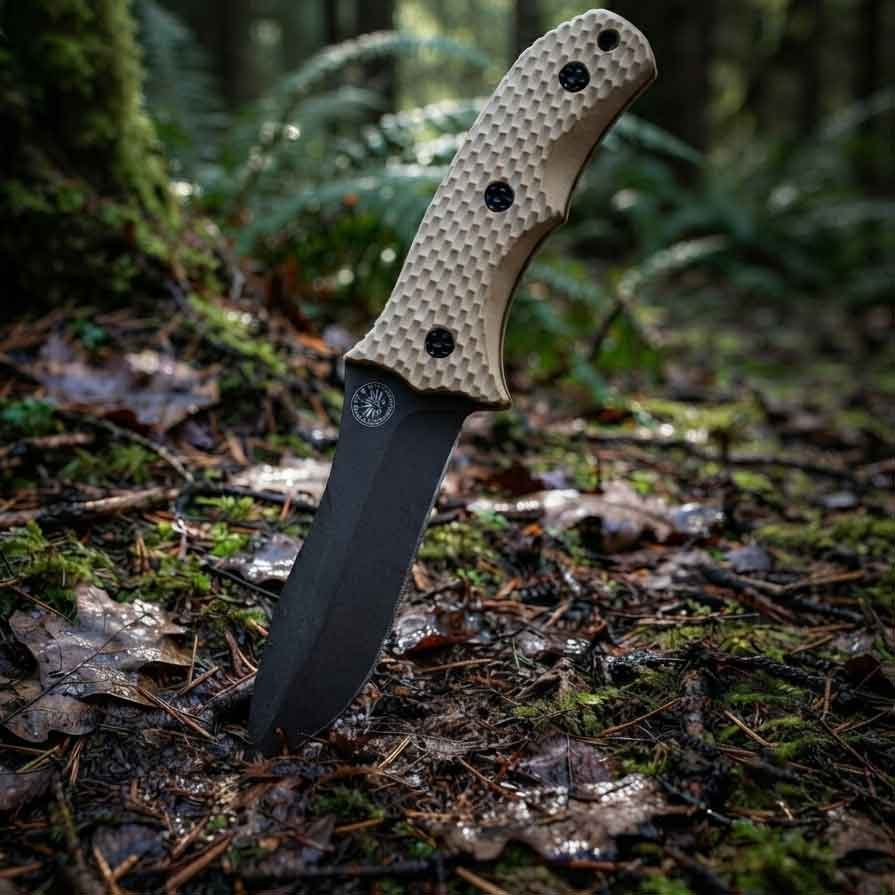
A great survival knife isn’t about flashy marketing or an impressive spec sheet. It’s about a blade that holds up when you actually need it, whether that’s building an emergency shelter, starting a fire in the rain, or processing wood after a long day on the trail. From military-grade Ka-Bar classics to premium Bradford Knives builds, the right pick depends on your budget, your environment, and how hard you plan to push it.
American Knife Depot stocks over 13,000 products across 60-plus categories, including trusted survival knife, bushcraft knife, and tactical knife brands like Ka-Bar, Bradford Knives, Buck, Cold Steel, and Gerber. With a 4.8-star rating backed by more than 13,700 verified customer reviews and free shipping on orders above $300, it’s built to be the one-stop shop for anyone serious about outdoor gear.
Don’t wait until you’re caught without the right tool. Browse American Knife Depot’s survival and bushcraft knife collection today and gear up with confidence.
MagnaMax is a notable new knife steel that has been
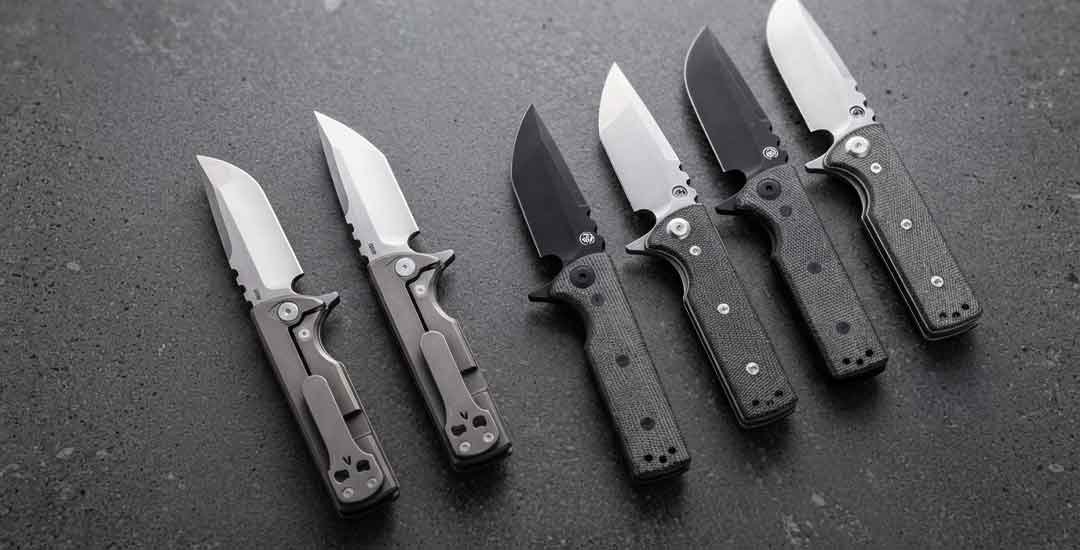
The history of Chaves Knives begins with one maker, basic
![Rated: 15 Best OTF Knives of 2026 [By Category]](https://americanknifedepot.com/wp-content/uploads/2026/09/Featured-Image-7.jpg)
Finding the best OTF knife is less about chasing the
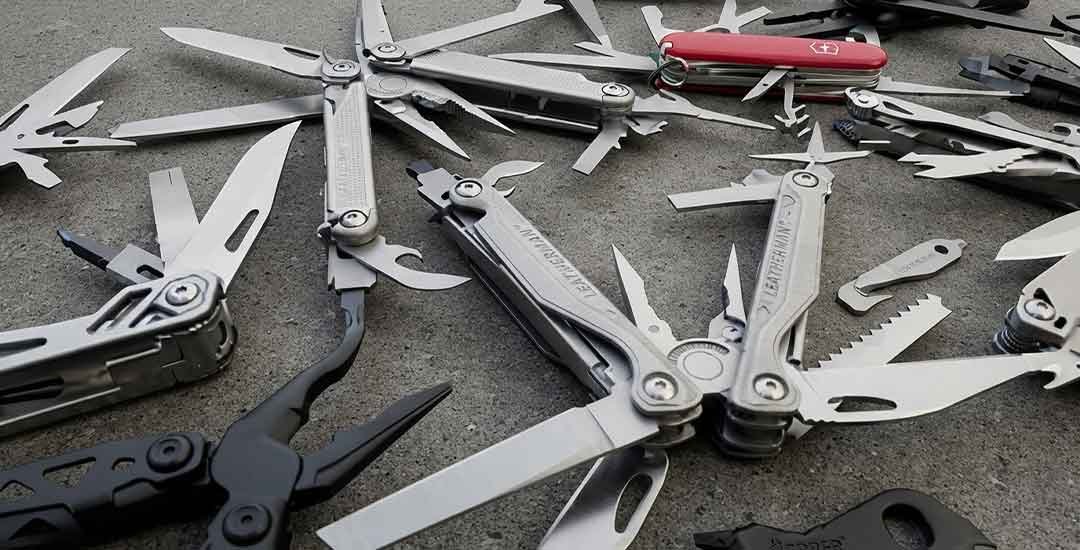
The Leatherman ARC multitool promises premium materials, 20 tools, and
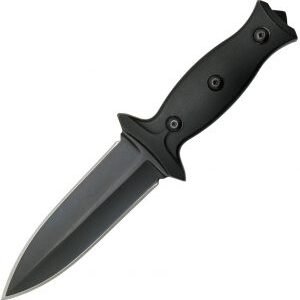

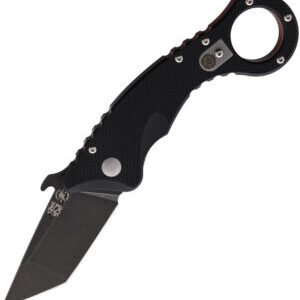

















Civivi nails everyday carry. Smooth action, perfect balance, and clean design. Easily one of the best EDC knives I’ve owned at this price point.