
Διαδικτυακό καζίνο — εταιρεία στοιχημάτων με viva wallet: πληρωμές, καταθέσεις και αναλήψεις: Στάδια καταθέσεων και αναλήψεων
Διαθέσιμες μέθοδοι πληρωμής Στάδια καταθέσεων και αναλήψεων Έλεγχος λογαριασμού Ελάχιστες
An OTF knife looks sleek, opens differently, and often sparks one big question: what is an OTF knife? The answer is simple. Its blade travels straight through the front of the handle instead of swinging sideways. Some models open automatically; others rely on gravity or manual movement.
That difference shapes everything from daily use to maintenance and legal rules. This guide explains the mechanisms, compares popular designs, and helps you choose responsibly. Before shopping, remember that automatic knife rules vary across the United States.
Ready to compare styles? Explore the knife selection at American Knife Depot and confirm local rules before ordering.

OTF means “out the front.” An OTF knife, sometimes called an out-the-front knife or sliding-blade knife, extends its blade lengthwise from the handle. A folding knife rotates its blade around a pivot instead. That physical distinction matters more than marketing labels.
Most familiar OTF knives are automatic models. A thumb slide or deployment switch controls a spring-powered mechanism. Yet not every OTF blade opens automatically. Manual and gravity-operated versions also exist.
Earlier sliding-blade and gravity designs helped shape today’s OTFs. Modern machining now offers more choices for knife collectors, EDC enthusiasts, and buyers who appreciate mechanical design.
Picture a sliding door inside a narrow frame. The knife blade follows a guided track while internal parts control movement and retention. In many double-action designs, pushing a switch stores spring tension until the mechanism releases it. The blade extends and locks; moving the switch back enables powered retraction.
A typical internal system includes these components:
Not every manufacturer uses identical parts. Some designs feature different springs, blade stops, or internal locking systems. Avoid assuming one diagram explains every OTF mechanism.
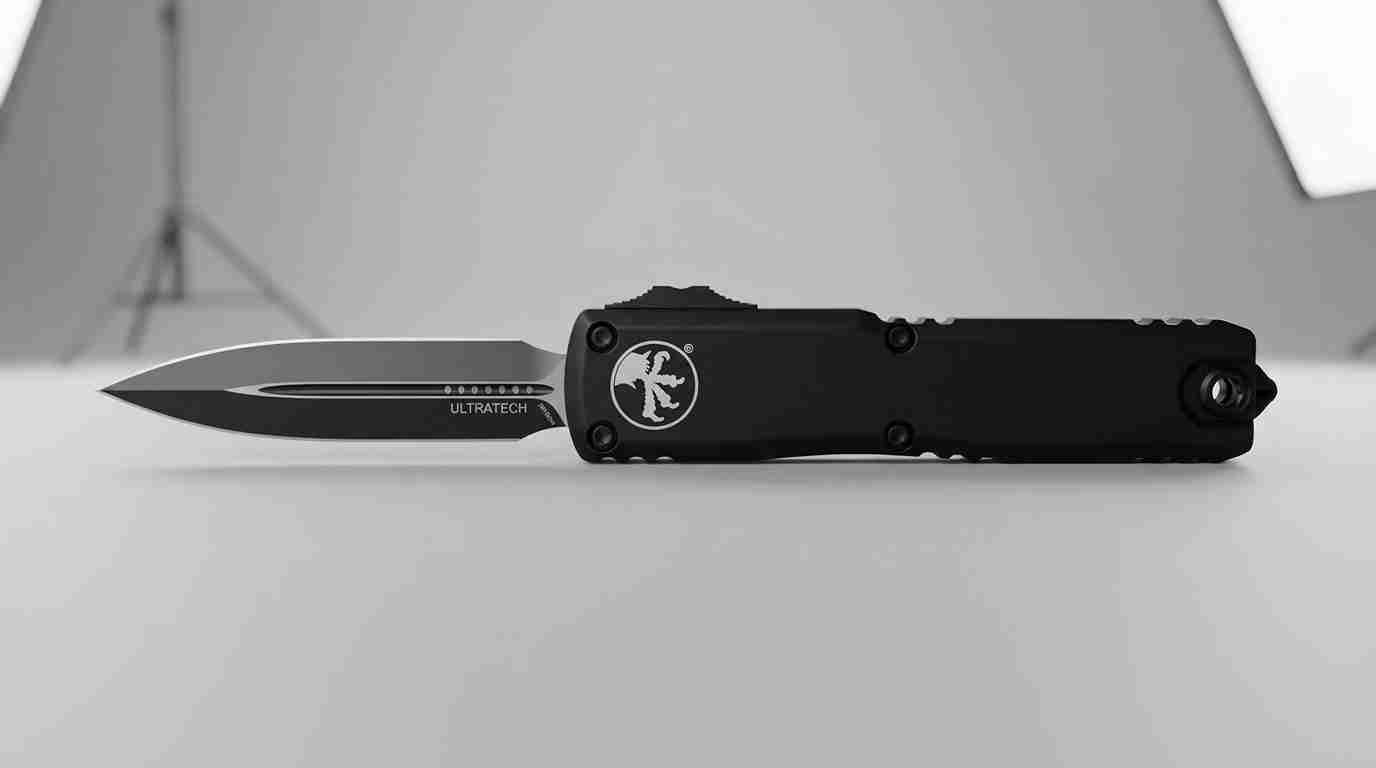
In a common double-action OTF, moving the slider tensions a spring while a lock holds the blade. Near the end of switch travel, the lock releases. Stored energy drives the blade forward, where another lock captures it. Reverse movement repeats the process in the opposite direction.
This explains why a deployment failure can leave a blade loose and off track. It also explains why internal debris and mechanical wear matter. Never test lockup by pushing a sharp blade against your hand.
Mechanism matters more than appearance. These categories describe how the blade moves, not its shape.
| OTF knife type | Opening | Closing | Main consideration |
| Double-action automatic | Powered by switch | Powered by switch | Convenient, complex |
| Single-action automatic | Powered by release | Manually reset | Separate reset step |
| Gravity-operated | Gravity or inertia | Manually controlled | Distinct legal treatment |
| Spring-assisted | Manual initiation, then assistance | Usually manual | Mechanism-specific rules |
| Manual OTF | Manual movement | Manual movement | Simple user control |
A double-action OTF knife extends and retracts its blade with a switch. A single-action OTF knife deploys automatically but needs manual resetting. Both can provide quick access. Neither mechanism guarantees superior durability.
Gravity knives rely on gravity or inertia. Manual OTF knives require direct blade movement. A spring-assisted knife needs user input before the spring assists. These differences matter when interpreting automatic-knife laws.

An OTF describes where the blade travels. A switchblade describes how a blade opens under applicable law. Many automatic OTF knives qualify as switchblades; manual models usually do not. Side-opening automatic knives can also be switchblades. The distinction matters for owners, retailers, and travelers.
A tactical pocket knife may use several opening systems. Check the actual mechanism and applicable legal definition.
Blade geometry affects how a knife cuts, holds an edge, and feels during normal tasks. Here are common OTF blade profiles:
A single-edged blade usually gives your thumb a nonsharp spine, although safe grip depends on the design. Double-edged blades require extra care. Blade bevel, edge retention, and slicing efficiency matter more than aggressive styling.
Small OTF knives suit pocket-friendly carry. Medium OTF knives balance grip and portability. Large OTF knives offer longer blades but need more space and may face stricter blade-length restrictions. These are informal size groups, not universal standards.
Compare blade options: After choosing your preferred shape and purpose, explore American Knife Depot.
| Benefits | Trade-offs |
| Convenient one-handed operation | Requires sufficient thumb strength |
| Blade stays enclosed when closed | Lint can affect internal movement |
| Many blade shapes available | Some designs exhibit blade play |
| Appealing collector designs | Repairs can be specialized |
Premium automatic OTF knives may feel smoother, but price cannot guarantee reliability. Examine blade lockup, switch resistance, warranty coverage, and independent testing. A little blade play can be normal; growing movement is not.

There is no single nationwide yes-or-no answer. Federal law, state knife laws, and local knife ordinances govern different actions. Legal ownership does not automatically mean you can legally carry, ship, or use it publicly.
The federal Switchblade Knife Act dates to 1958, not 1985. 15 U.S.C. § 1241 defines switchblades as knives that open automatically through handle controls, gravity, or inertia. Section 1242 regulates interstate commerce. Section 1244 identifies specific exceptions, including qualifying assisted-opening designs.
Those rules do not mean everyone is prohibited from owning an automatic knife. Permissive state ownership also does not automatically resolve federal shipping requirements.
Before buying or carrying an OTF knife, verify:
Laws change. Check current statutes and municipal codes.
Check before checkout: Confirm destination restrictions and shipping eligibility before ordering.
Always start with what you’ll actually cut in practice. Package opening demands different blade geometry than collecting or outdoor use. For routine tasks, a manageable handle and dependable edge often beat dramatic styling.
A useful practical buying test: compare manufacturer warranties, service access, replacement parts, and return policies before judging two knives by price alone.
An everyday carry knife should fit comfortably, offer safe blade control, and suit ordinary utility cutting. Hiking and camping call for easy cleaning and corrosion resistance; a fixed blade or simple folding knife may be easier to maintain outdoors. Tactical and military applications have specialized requirements and applicable regulations.
Package opening favors controlled cutting and easy cleaning. Collectors may prioritize distinctive mechanics, finishes, and ease of service.
Consider blade steel, corrosion resistance, ergonomics, weight, blade length, and manufacturer support. Test the switch only in a safe environment. Watch for uneven action or unreliable blade retention. Some movement is normal on particular mechanisms, but unexpected changes deserve professional inspection.
Why are OTF knives so expensive? Precision machining, complex internals, finishing, quality control, and warranty service all add to the cost. A budget OTF knife can still make sense when its intended use and construction match your needs.
The best OTF knife isn’t the flashiest model. It’s the one that fits your task, your hand, and your local laws.
Narrow your shortlist: Compare specs and warranty terms before paying extra for premium features.

Established brands offer useful reference points, but compare individual models.
| Manufacturer | Notable examples | Why compare it |
| Microtech | Ultratech, UTX-70, UTX-85, Combat Troodon | Broad automatic OTF lineup |
| Kershaw | Livewire | Modern automatic design |
| Guardian Tactical | RECON-035, RECON-040 | Distinct switch ergonomics |
| Heretic Knives | Hydra, Cleric II, Colossus | Varied configurations |
| Hogue | Counterstrike | Premium everyday-carry option |
| Axial | Shift series | Alternative automatic models |
| Hawk Knife Designs | Deadlock | Specialized blade-locking design |
| Reate | EXO series | Gravity-operated alternative |
Benchmade also makes automatic knives, while Boker offers manual sliding-blade options. Paragon’s Para-X represents single-action construction. Models and availability change, so verify current specifications directly with manufacturers.
Check real specifications: Compare verified listings and manufacturers’ warranty terms before choosing any brand.
An OTF knife mechanism can collect lint, tape residue, and grit. Internal debris buildup increases friction and can cause the blade to fail to deploy or retract. Always follow instructions for your exact model.
Microtech’s maintenance guidance recommends compressed air for debris and light oil for applicable designs. It also warns against excess lubricant. Those directions are model-specific, not universal.
Keep the cutting edge dry and remove sticky residue promptly. Store the knife securely, away from children and moisture. Avoid heavy grease or unfamiliar solvents; they may harm the finish or mechanism.
A blade misfire may result from blockage, internal contamination, insufficient maintenance, or worn components. Stop using a knife with unexplained blade deployment failure or unreliable lockup. Consult manufacturer support instead of attempting risky disassembly. Unauthorized modifications can create safety problems.
Protect your purchase: Review the maker’s maintenance instructions and warranty terms before attempting repairs.
An automatic knife is a tool, not a toy. Control matters more than deployment speed.
Make safety part of your purchase: Choose a knife whose controls you can operate confidently.
They can be, where lawful. Choose practical blade geometry, an ergonomic handle, and reliable operation. A simpler folding knife may be better for dirty work.
Quality models can work reliably with appropriate care. Complexity creates more potential failure points than a basic fixed blade.
Some mechanisms require clearance for smooth blade travel. Excessive or changing movement deserves inspection.
Accidental deployment is possible if controls activate unintentionally. Keep the mechanism unobstructed and store knives securely.
Choose a comfortable model with clear instructions, dependable manufacturer support, and a mechanism legal where you live.
Follow the manufacturer’s guidance, and clean sooner after exposure to lint, moisture, or cutting residue.

An OTF knife offers a distinctive sliding blade, convenient operation, and many collector-friendly designs. Still, the best purchase starts with practical needs. Understand the mechanism, check current legal requirements, compare blade shapes carefully, and budget for maintenance.
American Knife Depot serves US shoppers looking for knives and outdoor equipment across different price points. Its online selection helps you research options, compare features, and find a suitable fit without rushing.
Browse responsibly: Explore American Knife Depot, confirm exact product specifications, and check local laws before checkout.
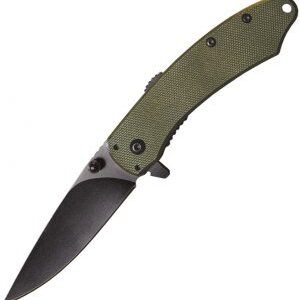
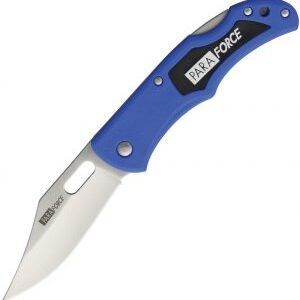
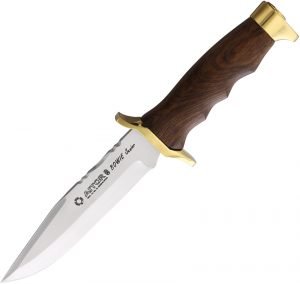
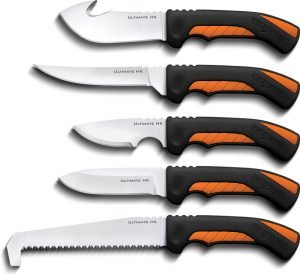


















Civivi nails everyday carry. Smooth action, perfect balance, and clean design. Easily one of the best EDC knives I’ve owned at this price point.