
Διαδικτυακό καζίνο — εταιρεία στοιχημάτων με viva wallet: πληρωμές, καταθέσεις και αναλήψεις: Στάδια καταθέσεων και αναλήψεων
Διαθέσιμες μέθοδοι πληρωμής Στάδια καταθέσεων και αναλήψεων Έλεγχος λογαριασμού Ελάχιστες
A knife should make a job easier, not more confusing. Yet knife names can sound like another language. What’s the difference between a lockback, switchblade, and fixed blade? And which blade works best for everyday chores?
Explore different types of knives by design, purpose, and use. You’ll learn what matters before choosing one, whether you’re comparing work tools, outdoor gear, or products from American Knife Depot.
There isn’t one official list of all knife types. Makers classify them by construction, opening mechanism, blade shape, or use. For example, a hunting knife may be fixed-blade or folding. That overlap explains differing lists.
| Knife type | How it works | Common use | Main trade-off |
| Manual folder | Opens by hand | Daily cutting | Pivot needs care |
| Spring-assisted | Spring helps after an initial push | One-handed utility | More components |
| Automatic | Control releases the blade | Specialized applications | Legal restrictions |
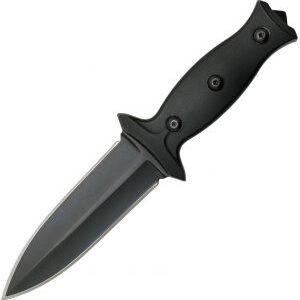
| Fixed blade | Blade doesn’t fold | Outdoor chores | Larger to carry |
| Balisong | Two handles rotate | Collection and practice | More handling skill |
Quick action: List your three most common cutting tasks before comparing knife models.

Folding knives protect the cutting edge inside a knife handle. Their compact form makes pocket knives popular for everyday carry (EDC). However, different pocket knives use distinct opening mechanisms.
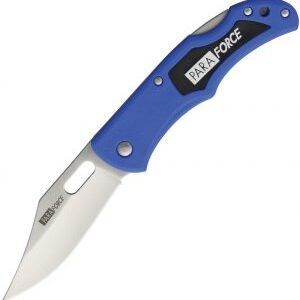
Manual folding knives open through direct hand movement. A thumb stud, thumb hole, nail nick, or flipper tab helps you move the blade. Many models use a detent ball for closed-blade retention. A pivot mechanism lets the blade rotate smoothly.
Locking and nonlocking models exist. A slipjoint relies on spring tension rather than a positive blade lock. The Spyderco Para 3 illustrates a manual folder with a separate locking system. Manual opening suits boxes, cord, and light utility work.
Spring-assisted knives need a deliberate initial push. An assisted-opening mechanism finishes deployment. A spring bar or other internal part provides that force. This differs from a manual opening mechanism, which relies on your hand throughout the opening motion.
Assisted opening can make one-handed operation convenient. Yet moving parts introduce additional knife maintenance requirements. Check the pivot, retention, and spring condition regularly.
Automatic knives use a firing button, blade release button, opening lever, or sliding switch to release stored spring energy. Side-opening automatic knives swing outward around a pivot. Kershaw Launch models are examples of this knife deployment system.
OTF knives, also called out-the-front knives, extend through the front of the handle. A single-action OTF opens automatically but needs manual retraction. A double-action OTF opens and retracts with its control. The Microtech Ultratech illustrates the double-action design.
Fast blade deployment speed does not prove better cutting performance. Complexity can increase the chance of mechanical failure. Switchblade laws also make it worth checking ownership and carry rules before purchase.
Check before ordering: Review the model’s exact opening action and your applicable laws.

Butterfly knives use two handles that rotate around the blade. Balisong knives often appeal to collectors and recreational flipping enthusiasts. Butterfly knife trainers replace a sharpened edge with a dull training blade. They still deserve careful handling and clear space. The BRS Alpha Beast Infinity shows a classic two-handle layout.
Fixed-blade knives lack a folding mechanism. Their blade stays attached to the handle, which simplifies cleaning. A full tang runs through the entire handle. However, blade thickness, steel treatment, and overall knife construction still affect strength.
Hunting knives, survival knives, bushcraft knives, and camping knives often use fixed-blade construction. The ESEE 5 represents a heavy outdoor design. A fitted knife sheath helps protect the edge and the person carrying it. Compared with folders, fixed blades generally need more storage space.
Compare the trade-offs: Choose a simpler design when dirt and moisture make pivot maintenance difficult.
Many knife names describe their use, not how they work.
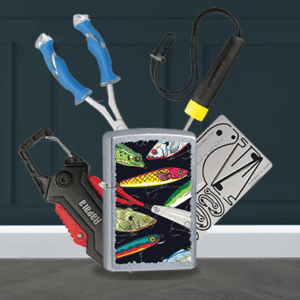
An EDC knife cuts packages, twine, and labels. Utility knives often accept replaceable utility blades, making them practical for cardboard-heavy work. A pocket clip supports carry. Multi-tools combine blades with drivers, pliers, or other everyday carry gear. Leatherman offers familiar examples.
Consider a warehouse worker opening cartons all day. A simple replaceable-blade cutter may save more effort than a premium collector folder. This is an illustrative comparison, not a product test.
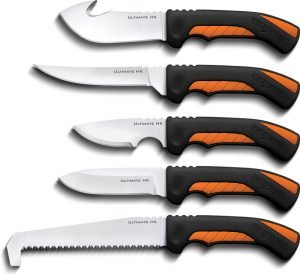
Hunting knives and skinning knives help with field dressing. Fishing knives cut line, while flexible fillet knives follow bones during food preparation. Dive knives serve underwater tasks and need strong corrosion resistance. Camping equipment may include bushcraft knives for campsite work and wood processing.
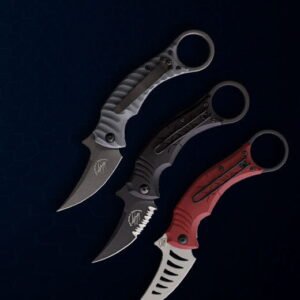
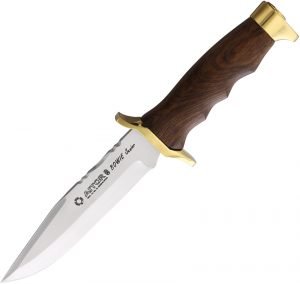
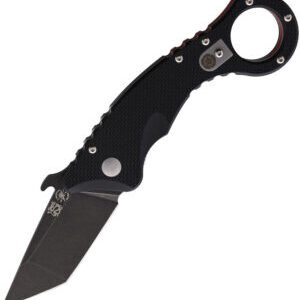
Machetes and kukri knives feature larger profiles for vegetation and other outdoor applications. Rescue knives may include features suited to emergency preparedness. Specialty categories such as neck knives, Bowie knives, karambits, daggers, and stiletto knives have distinctive shapes and histories. Combat knives and tactical knives describe intended contexts, not a single construction standard. Throwing knives are designed for throwing, not general cutting.
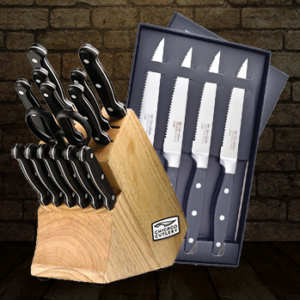
A chef’s knife handles chopping, slicing, and most meal preparation. A paring knife offers precise control for small produce. Bread knives use serrations on crusts. Boning knives separate meat from bone, while cleavers range from vegetable cutters to heavy butcher tools. Using kitchen knives keeps food free of the dirt and residue outdoor equipment may collect.
Choose for the job: Compare intended use before deciding which blade shape appeals to you.

Blade geometry determines how the edge meets material. The tip shape, grind, and edge style matter as much as the knife’s name. Different knife shapes suit different cuts.
| Blade shape | Key feature | Typical strength |
| Drop-point blade | Spine curves toward tip | All-around slicing |
| Clip-point blade | Clipped spine near tip | Detailed control |
| Tanto blade | Angular front section | Robust tip geometry |
| Spear-point blade | Centered point | Balanced profile |
| Wharncliffe blade | Straight edge, sharp point | Scoring and detail |
| Sheepsfoot blade | Straight edge, rounded tip | Controlled cuts |
| Trailing-point blade | Upturned tip | Long slicing strokes |
A dagger blade often has a double-edged blade design, unlike many everyday utility tools. A straight-edge blade cuts cleanly and is easy to sharpen. Serrated blades grip rope and tough fibers, while partially serrated blades combine two cutting styles. The right edge depends on the material, not fashion.
For more knife shapes and descriptions, see Spyderco’s blade-shape reference.
Learn a few parts before reviewing knife features. The blade tip begins detail cuts. The blade spine runs opposite the blade edge. Handle scales provide grip over the knife’s frame or tang. A folding knife’s pivot connects the blade to its handle.
Stainless steel generally resists rust better than plain carbon steel. Carbon steel is easier to sharpen but usually needs more drying and care. The exact alloy, heat treatment, blade grind, and thickness determine edge retention and toughness. No single material wins every task.
Knife ergonomics matter, too. A comfortable handle grip and balanced weight improve control. Textured scales may offer better traction when hands are wet. Inspect the finish and shape rather than trusting a material label alone.
No mechanism replaces safe knife handling. You can explore component definitions in Spyderco’s knife glossary.
The best knife fits the task, feels secure, and stays maintained.
A useful knife buying guide starts with honest questions. What will you cut? How often? Where will you carry or store the tool? For occasional packages, a manual folder might offer enough knife versatility. For wet outdoor work, a washable fixed blade could be easier to maintain.
Use this short knife types comparison checklist:
Folding versus fixed-blade knives is really a portability trade-off. Spring-assisted versus automatic knives mainly depends on how the blade starts moving. Neither comparison tells you everything about edge quality.
Build your shortlist: Compare three models against these six criteria, not just price.

Good knife maintenance protects performance and reduces accidents. Cut away from your body. Keep the material steady. Never force a blade through something it can’t safely handle. Check the lock before use and keep fingers clear when closing.
After cutting, wipe and dry the blade. Clean food-contact tools properly. Use appropriate knife-sharpening tools and follow the maker’s guidance on edge angle. Apply knife lubrication sparingly where recommended. Inspect the pivot, screws, blade retention, and sheath for damage. Secure knife storage matters around children and shared workspaces.
Make it routine: Inspect your knife after demanding use, not after something fails.
Knife legality changes across jurisdictions. The Federal Switchblade Act of 1958 addresses defined automatic knives and certain interstate commerce and mailing issues. It isn’t a blanket ban on possessing all pocket knives. Federal law includes an assisted-opening exception for qualifying designs with a bias toward closure.
State and local knife laws may regulate concealed carry, blade length, location, sale, or possession. Knife ownership laws and knife carry restrictions don’t always align. Consult the American Knife and Tool Institute’s state resources and current official statutes before buying, carrying, or traveling.
Verify your location: Check the rules where you live and where you plan to go.
Custom tools can make practical promotional items for suitable adult audiences. For example, maintenance crews may appreciate a multi-tool, while a warehouse team may prefer a simple utility cutter. Before distributing any knife, consider workplace policies, suitability, packaging, and local law.
RELYmedia’s custom tools collection includes logo-ready pocket knives, utility knives, and multi-tools. American Knife Depot carries individual knives and outdoor gear. These serve different buying needs; neither changes the basic selection checklist.
Plan your order: Request a branding proof and confirm specifications before bulk production.
They include slipjoint knives, locking manual folders, spring-assisted models, automatic folders, and butterfly designs. Laws differ by model and location.

A folder has a pivot and more moving parts. However, real strength depends on construction, materials, and use. Never treat either design as unbreakable.
A drop point suits many basic slicing needs. Sheepsfoot and Wharncliffe profiles provide useful control for other tasks. Let your cutting work guide the choice.
Sharpen when the edge starts demanding extra force. Frequency depends on cutting volume, steel, and materials. Clean and inspect the tool between sharpenings.
Different knife styles exist because jobs differ. Focus on safe handling, appropriate blade geometry, reliable construction, and maintenance rather than collecting labels. Browse American Knife Depot for individual options or RELYmedia for suitable branded tools. Let your needs drive the decision.
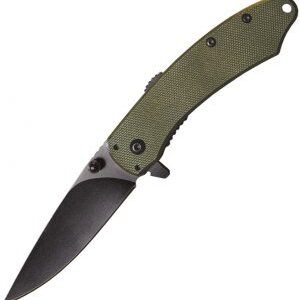


















Civivi nails everyday carry. Smooth action, perfect balance, and clean design. Easily one of the best EDC knives I’ve owned at this price point.